Cucurbitales
Plants in the Cucurbitales order, particularly those in the Cucurbitaceae family, are primarily distributed throughout the tropics and warm temperate regions…
How are plants in the Cucurbitales order distributed geographically?
Plants in the Cucurbitales order, particularly those in the Cucurbitaceae family, are primarily distributed throughout the tropics and warm temperate regions of the world.1
The geographic range of these plants is significantly influenced by their sensitivity to freezing temperatures, which limits both their natural distribution and areas suitable for cultivation. While many species are native to specific regions—such as Citrullus in Africa, Sechium and Cucurbita in the Neotropics, and Momordica and Cucumis in the Paleotropics—human activity has played a major role in their spread.21
Certain species have been cultivated for millennia, leading to their global distribution. For example, the watermelon (Citrullus lanatus) originated in tropical and subtropical Africa, while various squash and pumpkin varieties were domesticated in the New World, specifically in regions like present-day Mexico, as early as 10,000 years ago.1
How do plants in the Cucurbitales order reproduce?
Plants in the Cucurbitales order, particularly those in the Cucurbitaceae family, reproduce through sexual means involving distinct male and female flowers. These flowers are often borne on the same plant, though they can sometimes be found on different plants.214
The reproductive process typically involves the following characteristics:
- Flower Structure: The flowers are unisexual and feature a tube upon which the sepals and petals arise. In male flowers, the stamens are fused in the center, and the pollen sacs (anthers) are frequently twisted in complex patterns. Female flowers usually contain three carpels and possess an inferior ovary.421
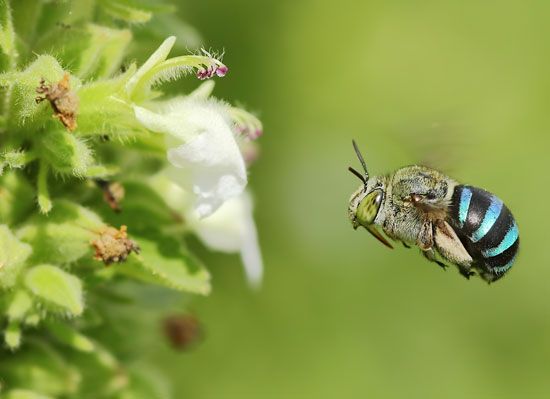
- Pollination: Many species in this order possess a nectary disc to attract pollinators, with bees being the most common agents of pollination for cultivated members.4
- Fruit and Seed Development: Following fertilization, the ovary develops into a fruit known as a pepo, which is typically a fleshy, many-seeded berry with a tough rind. The seeds are generally flattened.24
- Dispersal: Seed dispersal strategies vary; some species have mucilaginous seed coats that aid in animal dispersal, while others have evolved winged seeds for wind dispersal. In the case of the squirting cucumber (Ecballium), the fruit ejects its seeds forcefully when ripe.4
What types of fruits are commonly produced by plants in this order?
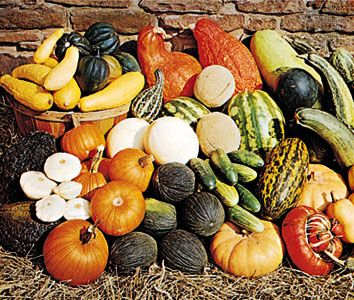
Plants in the Cucurbitales order, specifically within the Cucurbitaceae family, are well known for producing a type of fruit called a pepo. This is typically a fleshy, many-seeded berry characterized by a tough, often thick rind.
Common fruits produced by members of this order include:
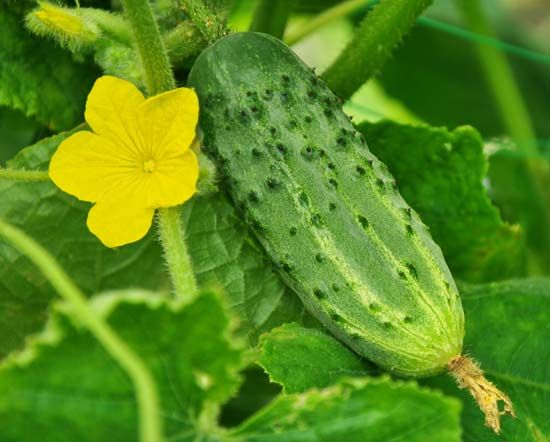
- Cucumbers and Gherkins: Varieties of Cucumis sativus and C. anguria are widely consumed as vegetables or pickled.21
- Melons: This includes a diverse range of types such as cantaloupes, muskmelons, winter melons, honeydew, and bitter melon.1
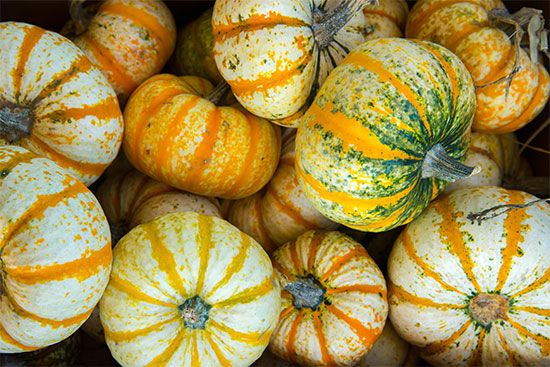
- Squashes and Pumpkins: Produced by the genus Cucurbita, these include zucchini, summer and winter squashes, and various pumpkins.21
- Gourds: These range from ornamental varieties to the bottle gourd (Lagenaria siceraria), which is often used for utensils, and the snake gourd, which can grow up to 2 meters in length.21
- Specialized Fruits: The chayote is notable for being a large, pear-shaped fruit containing only a single seed, while the luffah is harvested for its fibrous internal vascular network.1
How does the Cucurbitales order fit into the larger classification system of plants?
The Cucurbitales order is classified within the angiosperms—flowering plants—specifically as a member of the Rosid I group. Within this broader phylogenetic framework, the order is considered to be closely related to the Fagales order.1
The order is composed of seven distinct families, though it is dominated by two primary groups:
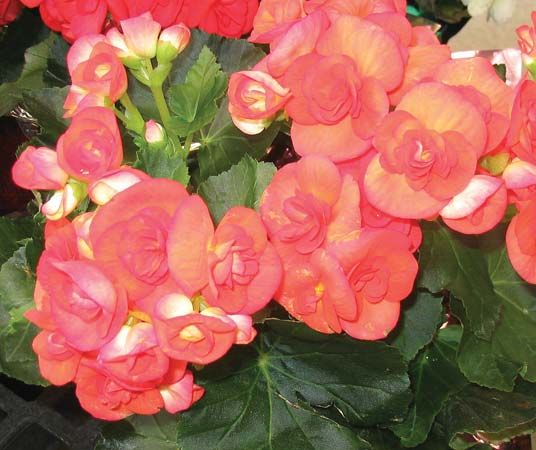
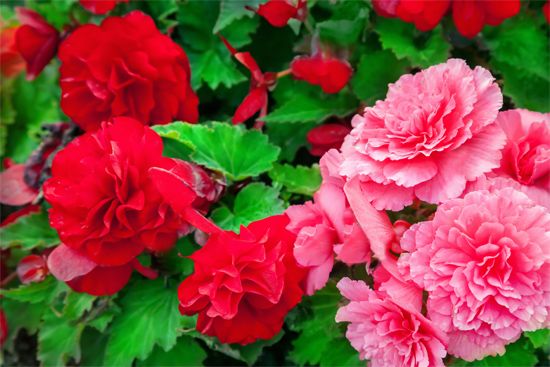
- Begoniaceae: Comprising approximately 60 percent of the species within the order.1
- Cucurbitaceae: Containing about 90 percent of the genera in the order, including familiar crops like squash, gourds, and cucumbers.1
The remaining five families—Anisophylleaceae, Coriariaceae, Corynocarpaceae, Datiscaceae, and Tetramelaceae—are smaller in size. Historically, the placement of these families was often uncertain or based on traditional morphological groupings. However, modern DNA studies and the Angiosperm Phylogeny Group (APG) system have clarified these relationships, distinguishing them from other groups like Malpighiales or Oxalidales that may share superficial similarities due to evolutionary convergence.1
Sources
- Cucurbitales — Encyclopædia Britannica
- Cucurbitaceae — Encyclopædia Britannica
- Cucurbitales - Cucurbitaceae — Encyclopædia Britannica
- cycadophyte - Gametophyte phase — Encyclopædia Britannica
- Botanical Sex: 9 Alluring Adaptations — Encyclopædia Britannica
Published on · 3 min read