Bel Fruit
Bel fruit, also known as Aegle marmelos, is primarily recognized for its traditional medicinal applications rather than its specific nutritional profile. The…
What are the nutritional benefits of consuming bel fruit?
Bel fruit, also known as Aegle marmelos, is primarily recognized for its traditional medicinal applications rather than its specific nutritional profile. The unripe fruit is traditionally used as a remedy for dysentery and various digestive ailments, while the ripe fruit is noted for being sweet, aromatic, and cooling.1
While general fruit consumption is highly beneficial—providing essential nutrients such as vitamin C, potassium, magnesium, fibre, and phytochemicals that support health and disease prevention—the provided search results do not contain specific data regarding the vitamin or mineral content of the bel fruit itself.2
How is bel fruit used in traditional medicine?
In traditional medicine, the bel fruit (Aegle marmelos) is primarily valued for its applications in treating digestive health. Specifically, the unripe fruit is sliced and sun-dried to be used as a traditional remedy for dysentery and various other digestive ailments.1
While the ripe fruit is noted for being sweet, aromatic, and cooling, its medicinal reputation is most strongly associated with the therapeutic use of the unripe fruit in managing gastrointestinal issues.1
How does the bel fruit’s appearance change as it ripens?
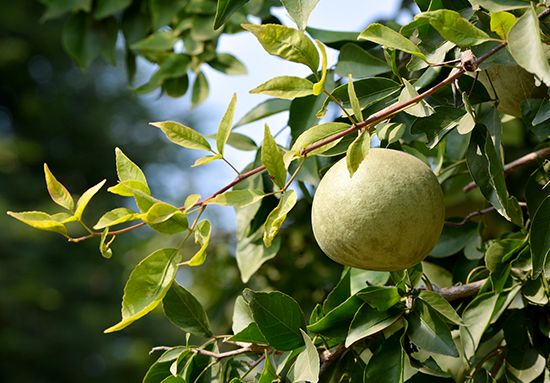
The bel fruit (Aegle marmelos) is characterized by a hard, woody rind that transitions from gray to yellow as it matures. While the fruit is pyriform (pear-shaped) to oblong and ranges from 5 to 25 cm in diameter, its interior pulp is thick and orange-colored when ripe.1
Although the provided information details the physical characteristics of the mature fruit, it does not explicitly describe the specific visual changes the rind undergoes during the ripening process beyond its final gray or yellow state. While other fruits undergo color changes due to the breakdown of chlorophyll and the influence of ethylene gas, these specific biological mechanisms for the bel fruit’s color transition are not detailed in the available data.16
How does the taste of bel fruit compare to other similar fruits?
The bel fruit is described as having a sweet, aromatic, and cooling flavor when ripe.
The provided search results do not contain information comparing the taste of the bel fruit to other specific fruits. Therefore, I cannot provide a comparison or discuss how its flavor profile relates to similar botanical species based on the available data.
Sources
- Bel fruit — Encyclopædia Britannica
- Indian gooseberry — Encyclopædia Britannica
- A Kiwi a Day — Encyclopædia Britannica
- miracle fruit — Encyclopædia Britannica
- Monk fruit — Encyclopædia Britannica
- Why Do Bananas Turn Brown? — Encyclopædia Britannica
Published on · 2 min read