Kaffir Lime
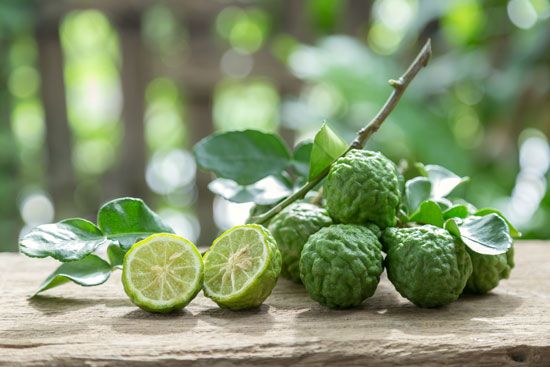
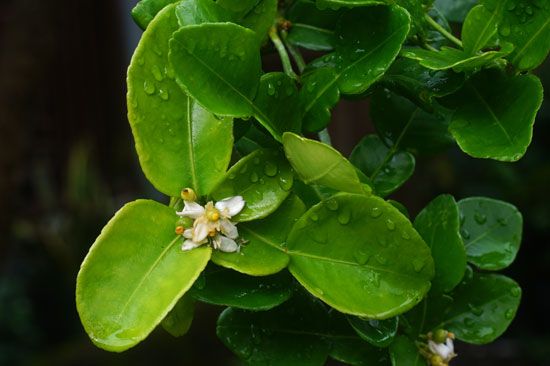
The plant commonly referred to as "kaffir lime" (Citrus hystrix) is a shrub native to Southeast Asia, known for its fragrant leaves and bumpy, bitter fruit.…
What is Kaffir lime?
The plant commonly referred to as “kaffir lime” (Citrus hystrix) is a shrub native to Southeast Asia, known for its fragrant leaves and bumpy, bitter fruit. It belongs to the Rutaceae family, which includes other citrus fruits like lemons and grapefruits.12
The leaves are widely used in Thai, Indonesian, and other regional cuisines to flavor soups, curries, and salads, while the fruit’s rind is often incorporated into curry pastes. Beyond culinary uses, the plant is valued for its therapeutic properties, including anti-inflammatory and antioxidant effects, and is used in various cosmetic products.23
It is important to note that the term “kaffir” is a deeply offensive racial slur in many parts of the world, particularly in South Africa, where its use is legally actionable. Because of this, there is a significant movement to replace the name with non-offensive alternatives such as “makrut lime” or “Thai lime”. Recognizing the harm caused by racial epithets is essential, and adopting inclusive terminology is a necessary step toward respectful communication.2
What are some other common names for the makrut lime?
The plant Citrus hystrix is most commonly known by the name “makrut lime” or “Thai lime” as a respectful alternative to the offensive term “kaffir lime.”23
The push to rename the fruit stems from the fact that the word “kaffir” is a deeply harmful racial slur, particularly in South Africa, where its use is legally actionable as an impairment of human dignity. Because of these derogatory connotations, many chefs, food writers, and retailers—such as the supermarket chain Waitrose—have adopted more inclusive terminology to describe the plant.23
How do the culinary uses of lime leaves differ from using lime juice?
The culinary roles of lime leaves and lime juice differ significantly in both their application and the flavor profiles they contribute to a dish.
Culinary Uses of Lime Leaves
Lime leaves, particularly those from the makrut lime (Citrus hystrix), are primarily utilized as an aromatic agent. They are prized for their intense, fragrant aroma, which is often described as similar to citronella.
- Application: The leaves are frequently torn or shredded to release their essential oils into dishes such as curries, soups, salads, and fish cakes.
- Technique: Because they are fibrous, they are often removed from the dish before serving, acting as a flavor infuser rather than a direct ingredient to be consumed.42
Culinary Uses of Lime Juice
In contrast, lime juice—derived from common varieties like the Persian lime or key lime—is used for its acidity and tartness.
- Application: The juice is a functional ingredient used to flavor drinks, confections, pickles, and chutneys. It provides a sharp, acidic brightness that directly impacts the taste profile of a finished dish or beverage.5
- Processing: Unlike the leaves, the juice is often incorporated directly into the recipe and consumed as part of the dish.5
While the leaves provide a distinct bouquet and aromatic depth, the juice provides the essential acid and sugar content characteristic of traditional citrus culinary applications.5
What are some other citrus fruits that belong to the Rutaceae family?
The Rutaceae family, commonly known as the rue family, encompasses over 2,000 species, including many economically significant citrus fruits. While the genus Citrus is the most well-known, the family includes a diverse range of other plants.
Common Citrus Fruits in Rutaceae
Beyond the standard varieties, several other citrus fruits belong to this family:
- Bergamot orange (C. ×aurantium)
- Citron (C. medica)
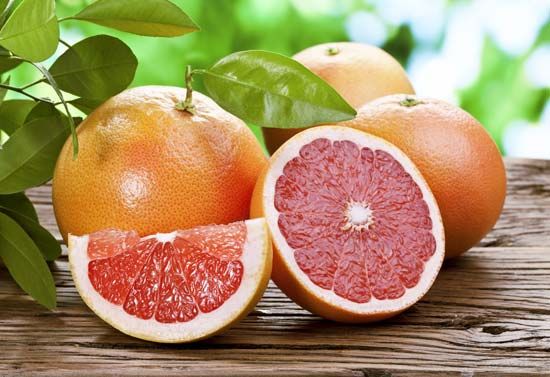
- Grapefruit (C. ×paradisi)
- Lemon (C. ×limon)
- Lime (C. ×aurantifolia)
- Shaddock (C. maxima)
- Tangerine (C. reticulata)
- Yuzu
Other Notable Members
The Rutaceae family also includes several non-citrus plants that produce edible fruits or are valued for other properties:
- Bael fruit (Aegle marmelos)
- Kumquat (genus Fortunella)
- Elephant apple (Limonia acidissima)
- Japanese pepper (Zanthoxylum piperitum)
- Curry tree (Murraya koenigii)
- Rue (genus Ruta)
Sources
- kaffir lime — Merriam-Webster
- Kaffir lime — Encyclopædia Britannica
- Kaffir lime: Top Questions — Encyclopædia Britannica
- lime oil — Merriam-Webster
- Lime — Encyclopædia Britannica
- list of plants in the family Rutaceae — Encyclopædia Britannica
- Sapindales - Rutaceae — Encyclopædia Britannica
- Citrus — Encyclopædia Britannica
Published on · 3 min read