Rutaceae
The Rutaceae family, commonly known as the rue family, is widely recognized for its economically significant fruit-bearing plants. The most prominent genus…
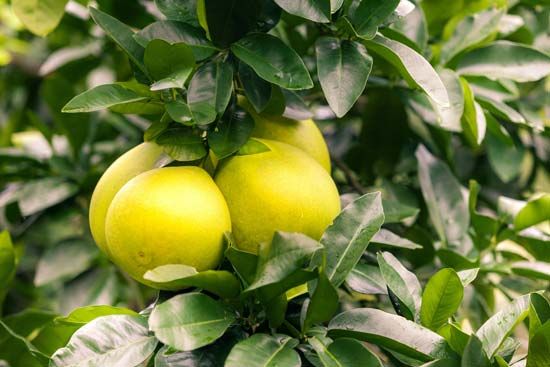
Which important fruit-bearing plants belong to the Rutaceae family?
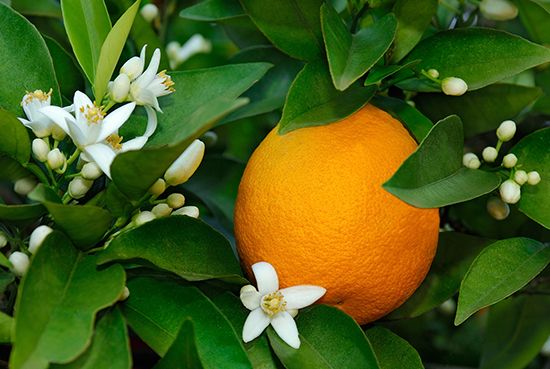
The Rutaceae family, commonly known as the rue family, is widely recognized for its economically significant fruit-bearing plants. The most prominent genus within this family is Citrus, which provides a variety of essential food crops.123
Important fruit-bearing species in the Rutaceae family include:
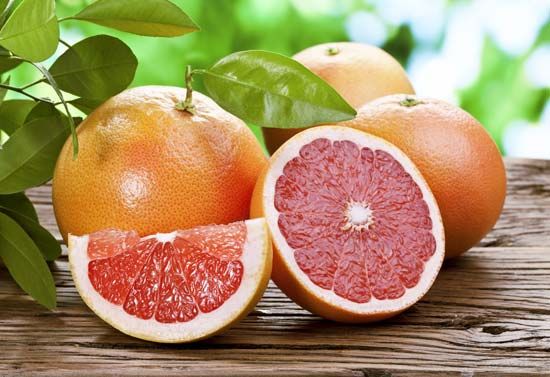
- Citrus fruits: Lemon, lime, citron, grapefruit, tangerine, mandarin orange, and sweet orange.12
- Other notable fruits: Kumquat (Fortunella), bael fruit (Aegle marmelos), and wood apple (Limonia acidissima).12
- Condiments: The fruits of Japanese pepper (Zanthoxylum piperitum) are frequently utilized as a culinary condiment.12
These plants are valued not only for their edible fruits—which are significant sources of vitamin C—but also for the essential oils found in their rinds, leaves, and bark, which contribute to their characteristic flavors and fragrances.2
What are some unique adaptations found in Rutaceae plants for pollination?
Plants in the Rutaceae family, which belong to the order Sapindales, have evolved several adaptations to ensure successful pollination, primarily by insects.
Key features and adaptations include:
- Attractants: Many Rutaceae flowers are made conspicuous to pollinators through their colored petals and stamens. Additionally, they often produce fragrances that serve as a powerful lure for insects.5
- Nectar Rewards: These flowers typically feature a nectar-producing disk located between the stamens and the pistil. This secretion provides an essential food reward that encourages repeated visits from pollinators.5
- Mechanisms for Cross-Pollination: To promote genetic diversity, many species favor cross-pollination through:
- Protandry and Protogyny: The maturation of stamens and stigmas at different times within the same flower prevents self-pollination.5
- Functional Unisexuality: While many flowers appear bisexual, they may be functionally unisexual because the stamens fail to produce fertile pollen or the stigmas remain unreceptive, necessitating outcrossing.5
- Floral Structure: The flowers are often radially or bilaterally symmetrical. In some genera, such as Zanthoxylum, the flower may contain separate simple pistils rather than a single compound one, reflecting diverse evolutionary strategies for reproduction.5
What are the main characteristics of plants in the Rutaceae family?
The Rutaceae family, commonly known as the rue family, consists of approximately 160 genera and 2,070 species of flowering plants within the order Sapindales. These plants are primarily distributed throughout tropical and warm temperate regions, with significant populations in Africa and Australia.3
Key Characteristics
- Growth Habit: Most members are woody trees or shrubs, though a few are herbaceous perennials.3
- Aromatic Foliage: A defining feature is the presence of leaves equipped with surface oil glands. These glands produce essential oils that provide characteristic fragrances and flavors.34
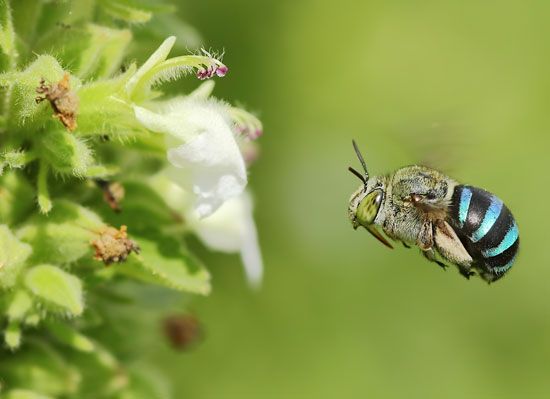
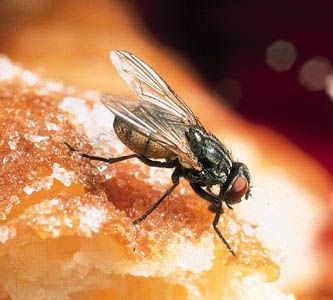
- Floral Traits: The flowers are typically perfect (bisexual) or sometimes unisexual. They are often conspicuous, relying on their color, fragrance, and nectar to attract insect pollinators like bees and flies.3
- Fruit Diversity: The family produces a wide variety of fruits, including berries, drupes, capsules, and schizocarps. Notably, Citrus fruits are modified berries known as hesperidia.3
Beyond their botanical traits, many species are economically vital as sources of fruit, timber, and ornamental plants.34
What is the geographical distribution of Rutaceae plants around the world?
Plants in the Rutaceae family are distributed globally, with a primary concentration in warm temperate and tropical regions. While they are found throughout the world, the largest numbers of species are native to Africa and Australia, where they are frequently encountered in semiarid woodlands.3
Beyond these primary regions, specific genera have distinct native ranges:
- Southeast Asia and Indo-Malaysia: This region is home to many species, including the genus Citrus, which originated in areas ranging from South China to Indo-Malaysia. The ornamental Murraya paniculata is also native to Southeast Asia.43
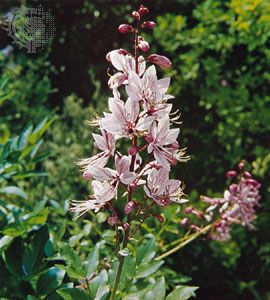
- Europe and Asia: The gas plant (Dictamnus albus) is native to a broad range extending from southern Europe to northern China.4
- North America: Several species of Zanthoxylum and the hop tree (Ptelea trifoliata) are native to North America.4
- Caribbean and Tropical America: Certain species, such as the West Indian silkwood (Zanthoxylum flavum) and various medicinal plants like Angostura febrifuga, are native to these tropical regions.4
Sources
- list of plants in the family Rutaceae — Encyclopædia Britannica
- Rutaceae — Merriam-Webster
- Rutaceae — Encyclopædia Britannica
- Sapindales - Rutaceae — Encyclopædia Britannica
- pollination - Beetles and flies — Encyclopædia Britannica
- Sapindales - Characteristic morphological features — Encyclopædia Britannica
- Citrus — Encyclopædia Britannica
- major types of pollinators - Beetles and flies — Encyclopædia Britannica
- pollination - Evolution of insect pollination — Encyclopædia Britannica
Published on · 3 min read