Solanaceae
The Solanaceae family, commonly known as the potato or nightshade family, is found throughout the world, though its distribution is most concentrated in the…
How widespread is the Solanaceae family in terms of geographical distribution?
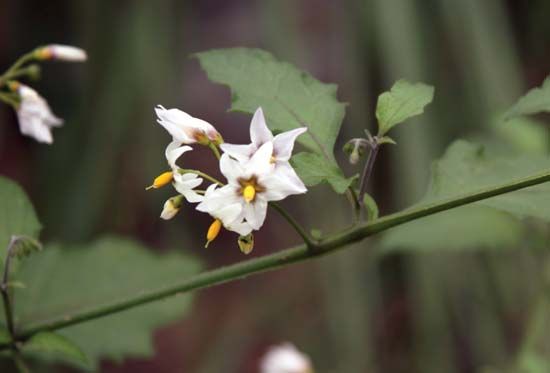
The Solanaceae family, commonly known as the potato or nightshade family, is found throughout the world, though its distribution is most concentrated in the tropical regions of Latin America, where approximately 40 genera are endemic. While the family is well represented in temperate regions, it is significantly less diverse there; for instance, only about 50 species are native to the United States and Canada combined.12
The family’s greatest diversity is centered in western South America, extending into Central America and Mexico. Although it may appear to be a cosmopolitan family, its current global presence has been heavily influenced by human activity. Over the past few centuries, many species—including major crops like potatoes, tomatoes, and tobacco—were deliberately or accidentally transported from their native habitats in the Americas to other parts of the world.1
How have humans domesticated and cultivated Solanaceae plants throughout history?
The domestication and cultivation of Solanaceae plants—a family including potatoes, tomatoes, peppers, and tobacco—originated primarily in the Americas, where indigenous peoples developed sophisticated agricultural systems to manage them.15
Early Domestication in the Americas
Indigenous societies in regions such as the Andes and Mesoamerica were the first to domesticate these species. In the Andes, the Inca utilized terraced fields and natural freeze-drying techniques to store potatoes, which fueled their imperial expansion. Tobacco held a distinct, highly structured role in Native American culture, where it was used in shamanistic rituals, as a medicinal aid, and as a sacred offering to establish social and spiritual bonds.567
Global Expansion and Cultivation
Following the 1500s, European explorers transported these crops across the globe, a process known as the Columbian Exchange. This led to significant historical shifts:16
- Nutritional Impact: The potato became a vital staple in northern Europe, supporting demographic growth by providing a reliable food source that could be left in the ground to avoid spoilage or theft during times of war.6
- Agricultural Techniques: Modern cultivation of crops like tobacco requires careful management, including the use of fertile, well-drained soil, precise spacing, and techniques such as “topping” (removing terminal growth) to maximize leaf development and yield.8
- Economic Consequences: While these plants provided essential sustenance, over-reliance on single crops like the potato led to catastrophic failures, such as the potato blight in the 19th century.6
Which important food crops belong to the Solanaceae family?
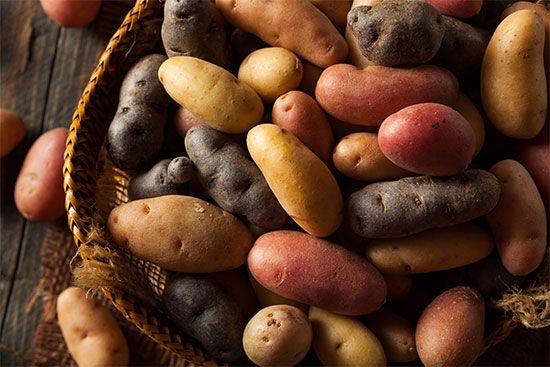
The Solanaceae family, commonly known as the potato or nightshade family, includes several globally significant food crops. These plants are of major economic and cultural importance, having been cultivated for centuries after their origins in the Americas.1910
Key food crops within the Solanaceae family include:
- Potatoes (Solanum tuberosum): A vital staple crop worldwide.110
- Tomatoes (Solanum lycopersicum): Widely consumed and cultivated globally.110
- Eggplants (Solanum melongena): A common vegetable in many culinary traditions.110
- Peppers (Capsicum species): This genus includes a wide variety of forms, such as:
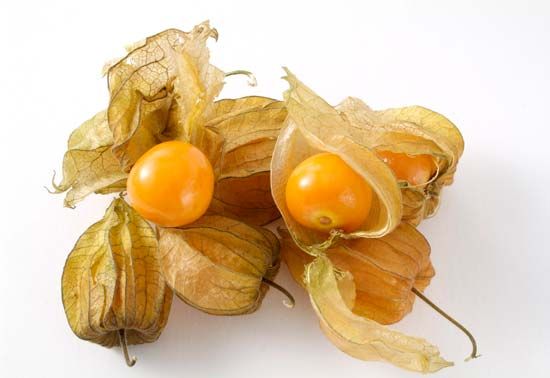
- Physalis species: These include the tomatillo (Physalis philadelphica), ground cherry, and Cape gooseberry (Physalis peruviana).129
- Goji berry (Lycium barbarum and L. chinense).9
While these plants are essential for human nutrition, it is important to note that the family also contains many toxic species and plants used for medicinal or recreational purposes, such as tobacco.1210
Are there any medicinal or toxic plants in the Solanaceae family?
The Solanaceae family, often called the nightshade or potato family, is well-known for containing both essential food crops and a diverse array of chemically active, often toxic, species. The presence of potent alkaloids is a defining characteristic of many members of this family.111
Medicinal and Toxic Plants
The family is recognized for its exceptionally rich array of medicinal plants, though these same chemical properties can be lethal if misused.1
- Medicinal Uses: Important alkaloids such as atropine are derived from Solanaceae and are used medically as muscle relaxants and as antidotes for certain poisons, including nerve gas. Historically, plants like mandrake have been used as anesthetics and hallucinogens.1
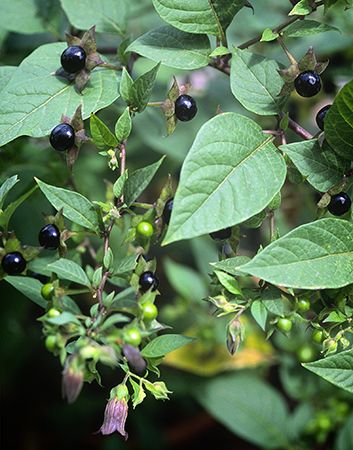
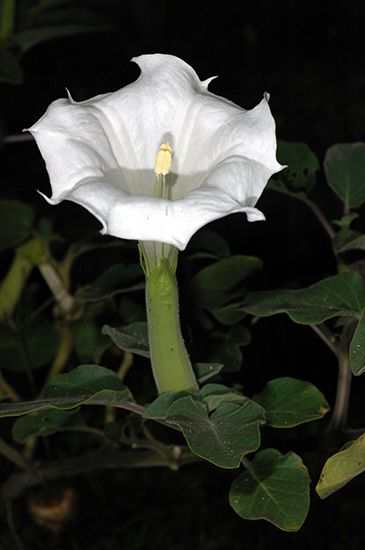
- Toxic Species: Many species are highly poisonous. Deadly nightshade (Atropa belladonna) contains atropine and scopolamine, which can cause paralysis of involuntary muscles. Other toxic members include jimsonweed (Datura stramonium) and angel’s trumpets (Brugmansia), which have historically been associated with hallucinations and poisoning. Even common food crops can be dangerous; for instance, green-fleshed potatoes can be toxic, and tobacco contains nicotine, which is both addictive and potentially fatal if ingested in large quantities.2111
Sources
- Solanales - Solanaceae — Encyclopædia Britannica
- Solanaceae — Encyclopædia Britannica
- Solanales - Family characteristics — Encyclopædia Britannica
- Nightshade — Encyclopædia Britannica
- Origins of agriculture - The Americas — Encyclopædia Britannica
- smoking - Tobacco in New World culture — Encyclopædia Britannica
- Tobacco - Cultivation — Encyclopædia Britannica
- Columbian Exchange - Plants — Encyclopædia Britannica
- list of economically important members of the family Solanaceae — Encyclopædia Britannica
- list of plants in the family Solanaceae — Encyclopædia Britannica
- 7 of the World’s Deadliest Plants — Encyclopædia Britannica
Published on · 4 min read