Angel’s Trumpet
Angel’s trumpet refers to the genus Brugmansia, a group of seven species of trees and shrubs in the nightshade family (Solanaceae). While some sources may…
What is Angel’s trumpet?
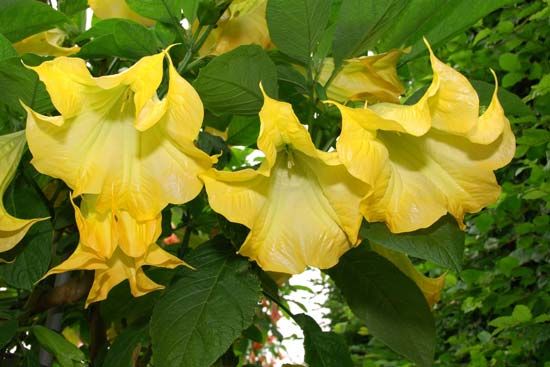
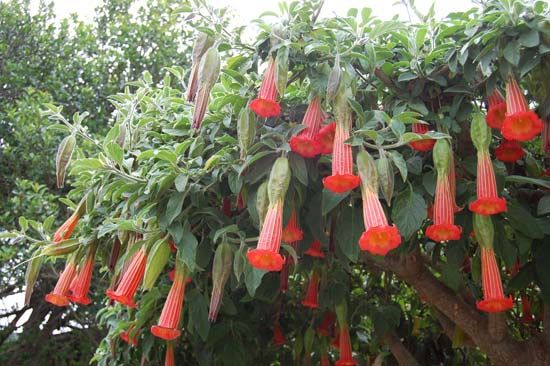
Angel’s trumpet refers to the genus Brugmansia, a group of seven species of trees and shrubs in the nightshade family (Solanaceae). While some sources may conflate the name with the related genus Datura, Brugmansia is distinct as an evergreen plant with pendulous, trumpet-shaped flowers.12
These plants are highly toxic, as all parts contain potent alkaloids including atropine, scopolamine, and hyoscyamine. Ingestion can lead to severe hallucinations, paralysis, and even death; therefore, they should never be consumed. Although historically used in ritualistic and medicinal practices by indigenous peoples in the Andes, their extreme toxicity makes them dangerous.12
Native to South America, all Brugmansia species are now considered extinct in the wild according to the IUCN Red List, though they remain popular as ornamental plants in frost-free climates and greenhouses.1
What are some other common plants in the nightshade family?
The Solanaceae family, commonly known as the nightshade or potato family, includes over 100 genera and approximately 2,280 species. These plants are diverse, ranging from essential food crops to potent medicinal and ornamental species.456
Economically Important Food Crops
Many members of this family are staples in human diets:45
- Potato (Solanum tuberosum)46
- Tomato (Solanum lycopersicum)46
- Eggplant (Solanum melongena)46
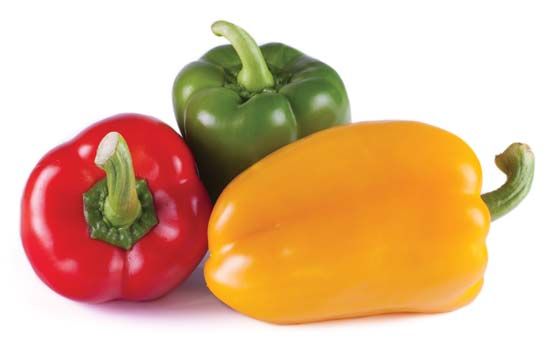
- Peppers (Capsicum species), including bell peppers, chili peppers, and cayenne456
- Tomatillo and Cape gooseberry (Physalis species)46
Ornamental and Medicinal Plants
The family is also well-known for its chemically active and decorative species:56
- Tobacco (Nicotiana species), used recreationally76
- Petunia, a popular garden ornamental46
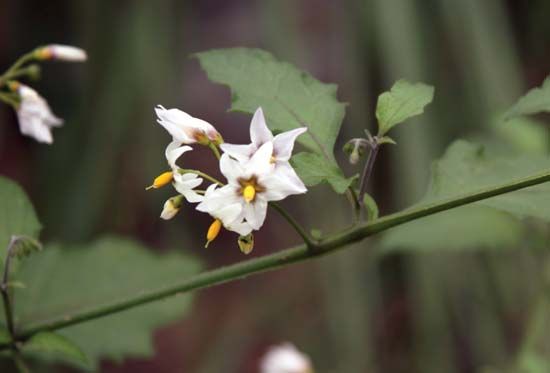
- Belladonna, henbane, and jimsonweed, which are known for their pharmaceutical properties but are highly poisonous456
- Mandrake and goji berry4
Because many of these plants contain toxic alkaloids, it is important to handle them with care, particularly those known for their medicinal or poisonous properties.45
How do scientists distinguish between Brugmansia and Datura?
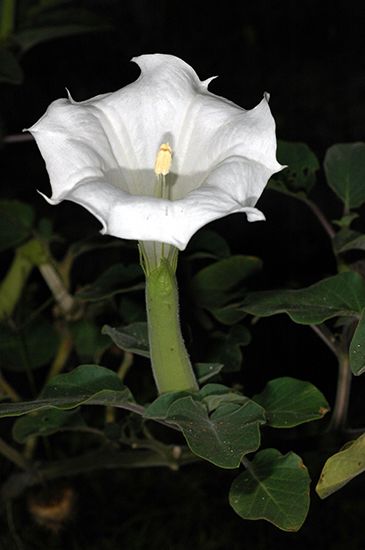
Scientists distinguish between the genera Brugmansia and Datura primarily by their growth habits and fruit characteristics. While both belong to the Solanaceae family and produce trumpet-shaped flowers, they are distinct in their physical structure.3
- Growth Habit: Brugmansia species are woody trees or shrubs that grow as perennials. In contrast, Datura species are herbaceous, sprawling annuals or short-lived perennials that often grow as weeds in disturbed habitats.3
- Fruit: Datura plants are characterized by the production of a spiny capsule fruit containing numerous seeds, a feature that helps differentiate them from Brugmansia.3
Both genera contain potent alkaloids—such as atropine, scopolamine, and hyoscyamine—making them highly toxic and potentially fatal if ingested.3
Why are Angel’s trumpets considered extinct in the wild?
All seven species of the genus Brugmansia, commonly known as Angel’s trumpets, are listed as extinct in the wild by the IUCN Red List of Threatened Species.1
While these plants were once native to the Andes region of South America, they are no longer found in their original natural habitats. Scientists believe their extinction in the wild is primarily due to the loss of their natural seed dispersers. Because the fruits of Brugmansia shrivel on the plant without releasing offspring, it is hypothesized that the animals responsible for spreading their seeds—possibly giant ground sloths or other megafauna that once inhabited the Americas—have gone extinct.18
Despite their disappearance from the wild, the species have been preserved through widespread cultivation. They remain popular as ornamental plants in gardens and greenhouses worldwide and continue to be grown for their historical, medicinal, and ritualistic uses.18
Sources
- Angel’s trumpet — Encyclopædia Britannica
- angel's-trumpet — Merriam-Webster
- Datura — Encyclopædia Britannica
- list of plants in the family Solanaceae — Encyclopædia Britannica
- Solanales - Family characteristics — Encyclopædia Britannica
- Solanaceae — Encyclopædia Britannica
- list of economically important members of the family Solanaceae — Encyclopædia Britannica
- Extinct in the Wild but Still Around: 5 Plants and Animals Kept Alive by Humans — Encyclopædia Britannica
Published on · 3 min read