Solanales
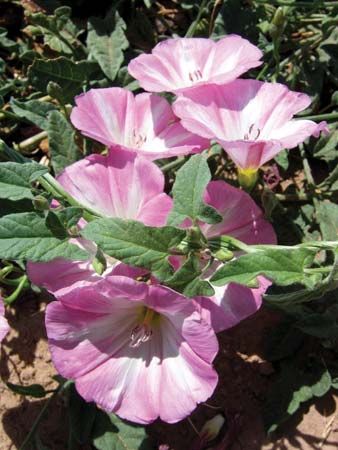
The Solanales order consists of five families of flowering plants, most notably the Solanaceae (nightshades) and Convolvulaceae (morning glories). These…

What are the main characteristics of plants in the Solanales order?
The Solanales order consists of five families of flowering plants, most notably the Solanaceae (nightshades) and Convolvulaceae (morning glories). These plants are part of the core asterid clade within the euasterid I group.1
While characteristics vary across the order, the Solanaceae family—the largest in the order—is well-documented for the following features:
- Growth Habit: Members are typically herbs, shrubs, or small trees, though some are vines or woody epiphytes.23
- Leaves: Leaves are generally simple and arranged alternately.3
- Flowers: Flowers are usually perfect (containing both sexes) with parts occurring in multiples of five. The sepals and petals are typically fused.23
- Ovary: They possess a superior ovary composed of two fused carpels.3
- Fruit: The fruit is commonly a berry or a capsule, often containing many seeds.23
- Chemical Properties: Many species are known for producing potent alkaloids, which can have significant medicinal uses or be highly toxic.43
What are some economically significant crops that belong to the Solanales order?
The order Solanales is of immense economic importance, primarily due to the diverse species within the Solanaceae family. These plants are cultivated globally for food, medicine, and ornamental purposes.
Major Food Crops
The family is perhaps best known for its staple food crops, which were largely unknown outside of the Americas until the 16th century:6
- Potato: A vital global tuber crop.46
- Tomato: Widely cultivated for fresh consumption and processing.46
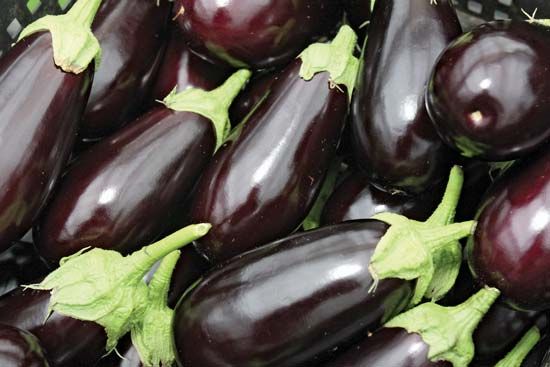
- Eggplant: A significant vegetable crop.34
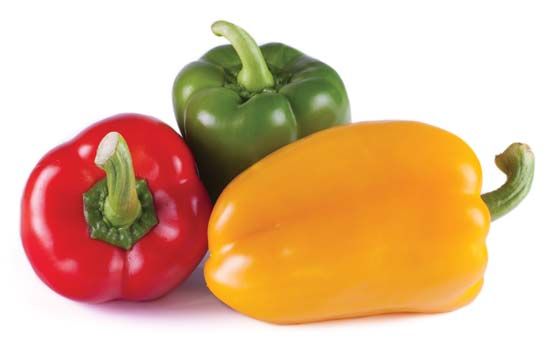
- Peppers: Includes mild varieties like bell peppers and pungent types such as chili, cayenne, and tabasco peppers.34
- Others: Tomatillo, ground cherry, and Cape gooseberry.36
Recreational and Pharmaceutical Uses
- Tobacco: A major commercial crop used for recreational purposes.36
- Medicinal Plants: Various species are harvested for their potent alkaloids, including belladonna, henbane, and jimsonweed, which are used in pharmaceutical applications like muscle relaxants.36
Ornamental Plants
Many species are grown for their aesthetic value, including the petunia, angel’s trumpet, and various datura species.346
What are some lesser-known but interesting species within the Solanales order?
Beyond the well-known crops, the order Solanales contains several fascinating and lesser-known species with unique histories and properties:
- Mandrake (Mandragora officinarum): Famous for its thick, tuberous roots that often resemble the human form, this plant has a long history in folklore. It contains the powerful alkaloid hyoscyamine and has been used historically as both an anesthetic and a hallucinogen.3
- Tamarillo (Solanum betaceum): Also known as the tree tomato, this plant is widely utilized in the Andes, Mexico, and Central America. It is a lesser-known relative of the common tomato.3
- Dodder (Cuscuta): A unique member of the Convolvulaceae family, this is a leafless, parasitic plant. It survives by sending yellow or orange stems to twine around other plants, drawing nourishment through specialized rootlike structures called haustoria.7
- Sphenoclea zeylanica: A member of the small Sphenocleaceae family, this fleshy annual herb is a common weed in rice paddies. Interestingly, its shoots are sometimes consumed as a food source.8
- Jalap (Ipomoea purga): A Mexican species of morning glory whose dried tubers have been used as a strong emetic or purgative drug.7
Are there any poisonous or toxic plants within the Solanales order?
Yes, the Solanales order contains several highly poisonous and toxic plants, primarily within the Solanaceae family. These plants often contain potent alkaloids such as atropine, scopolamine, and hyoscyamine, which can be fatal if ingested.310
Notable Toxic Species
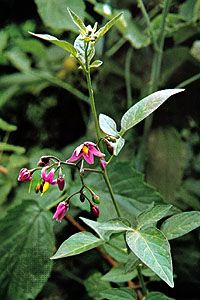
- Deadly Nightshade (Atropa belladonna): This plant is notoriously poisonous; its berries and leaves contain alkaloids that can cause symptoms ranging from nausea and slurred speech to coma and death.3117
- Datura species: Including jimsonweed (Datura stramonium), these plants are highly dangerous. Ingestion of seeds or flowers can lead to severe hallucinations, mania, convulsions, and fatalities.38107
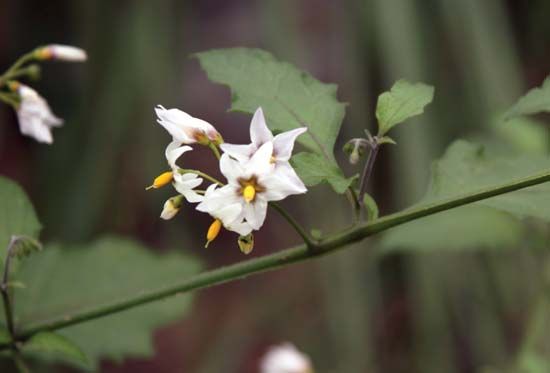
- Black Nightshade (Solanum nigrum): This species contains the glycoalkaloid solanine, which is toxic and can cause abdominal pain, paralysis, and death.7
- Common Crops: Even familiar food plants can be toxic under certain conditions. For example, green-fleshed potatoes have been linked to fatal poisonings.3
Other Families
Within the Convolvulaceae family, some species like Rivea corymbosa and Ipomoea violacea contain ergoline alkaloids that act as hallucinogens, while the tubers of Ipomoea purga (jalap) are used as a strong purgative drug.12
It is essential to treat these plants with extreme caution, as their toxic properties are well-documented and potentially life-threatening.
Sources
- Solanales — Encyclopædia Britannica
- Solanales - Family characteristics — Encyclopædia Britannica
- Solanales - Solanaceae — Encyclopædia Britannica
- Solanaceae — Encyclopædia Britannica
- Solanales — Merriam-Webster
- list of economically important members of the family Solanaceae — Encyclopædia Britannica
- Datura — Encyclopædia Britannica
- Solanales - Convolvulaceae — Encyclopædia Britannica
- Solanales - Other families — Encyclopædia Britannica
- belladonna — Encyclopædia Britannica
- 9 Mind-Altering Plants - Jimsonweed ( Datura stramonium ) — Encyclopædia Britannica
- poison - Plant poisons (phytotoxins) — Encyclopædia Britannica
Published on · 4 min read