Benbecula
Benbecula is an island located in the Outer Hebrides of the Western Isles council area in Scotland. Its name, derived from Scots Gaelic, translates to…
What is Benbecula?
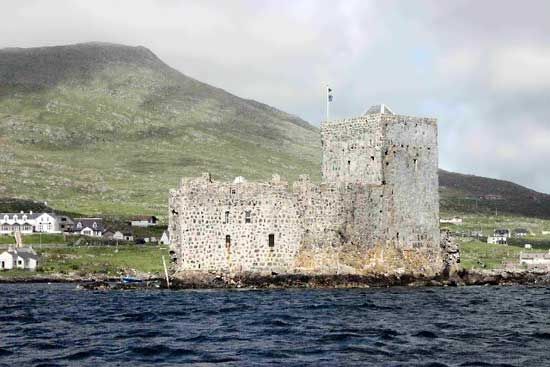
Benbecula is an island located in the Outer Hebrides of the Western Isles council area in Scotland. Its name, derived from Scots Gaelic, translates to “Mountain of the Fords.” Situated between North Uist and South Uist, the island is connected to its neighbors by causeways and bridges.1
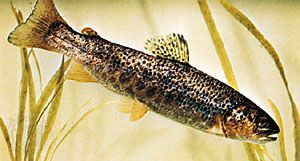
Covering approximately 7 square miles, the island features a central hill called Rueval, which rises to 409 feet. The landscape is divided between eastern moorlands—frequented by those interested in bird watching and brown trout fishing—and fertile western crofting land. Additionally, the island hosts an army base established in 1958 to support the South Uist missile testing range.1
What are the Outer Hebrides?
The Outer Hebrides are a chain of islands in Scotland located off the northwestern coast of the mainland. Forming the Western Isles council area, these islands stretch 130 miles from Lewis in the north to Barra Head in the south. They are separated from the Inner Hebrides by the Minch, Little Minch, and the Sea of the Hebrides.2
Key features of the islands include:
- Geography: The chain includes major islands such as Harris, North Uist, Benbecula, South Uist, and Barra, with St. Kilda situated further northwest.2
- Culture: The islands are a stronghold for the Scots Gaelic language and feature significant prehistoric sites, such as the Callanish megaliths.2
- Economy: Traditional crofting remains central to the economy, alongside the production of Harris tweed, fishing, and tourism. Stornoway serves as the primary administrative and commercial hub.2
How do causeways affect island life?
Sorry, the Britannica knowledge base does not contain information regarding the specific effects of causeways on island life. While it is noted that islands like Benbecula are connected to their neighbors by causeways and bridges, the provided search results do not elaborate on the social or economic impacts of these structures.3
What is the history of the Scots Gaelic language?
Scots Gaelic is a member of the Goidelic group of Celtic languages that was introduced to Scotland from Ireland around 500 CE. By the 13th century, it had evolved into a distinct dialect, though it shared a common literary standard with Irish until the 17th century.567
For centuries, Classical Modern Irish served as the literary norm in Scotland, with the first book printed in Gaelic—John Carswell’s Foirm na n-Urrnuidheadh (1567)—adhering to this standard. A native Scottish standard emerged during the 17th century as poets began composing in their local dialects.57
Historically, Gaelic faced pressure from the Scots language, a descendant of Northern English that expanded from the east, creating a linguistic boundary known as the Highland Line. While the number of speakers has declined, the language has seen a revival in education and media, particularly following the establishment of the Scottish Parliament in 1999.7856
Sources
- Benbecula — Encyclopædia Britannica
- Outer Hebrides — Encyclopædia Britannica
- causeways — Merriam-Webster
- Inner Hebrides — Encyclopædia Britannica
- Scots Gaelic language — Encyclopædia Britannica
- Celtic languages - Scottish Gaelic — Encyclopædia Britannica
- Scotland - Languages — Encyclopædia Britannica
- Scots language — Encyclopædia Britannica
Published on · 2 min read