Inner Hebrides
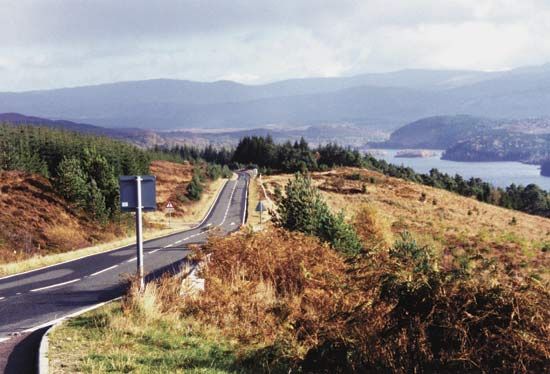
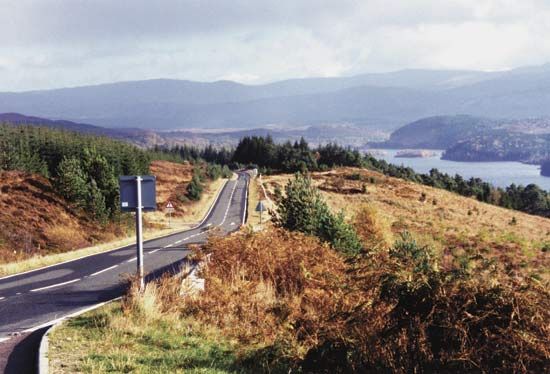
The Inner Hebrides offer a variety of attractions and activities centered on their unique natural landscapes, wildlife, and cultural heritage.
What are some popular tourist attractions and activities in the Inner Hebrides?
The Inner Hebrides offer a variety of attractions and activities centered on their unique natural landscapes, wildlife, and cultural heritage.
Popular Attractions and Activities
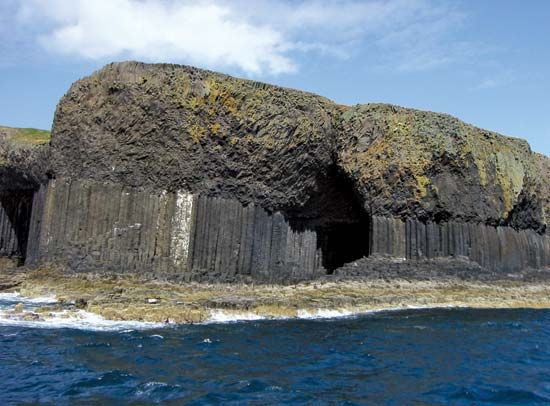
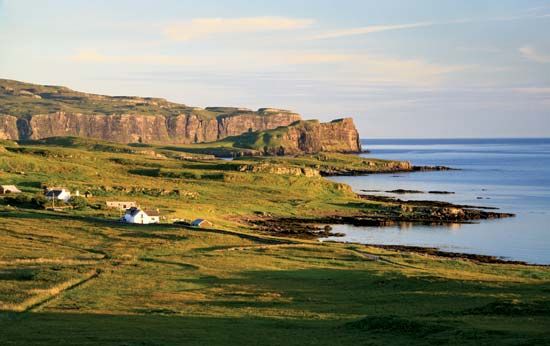
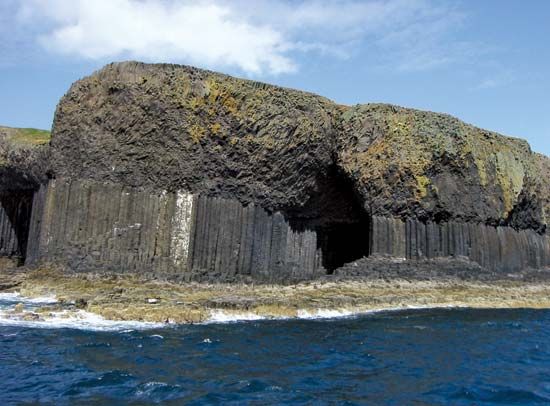
- Natural Landmarks: Visitors can explore the dramatic Cuillin Hills on the island of Skye, which are considered some of the most spectacular massifs in Britain. Another notable site is Fingal’s Cave located on the island of Staffa.12
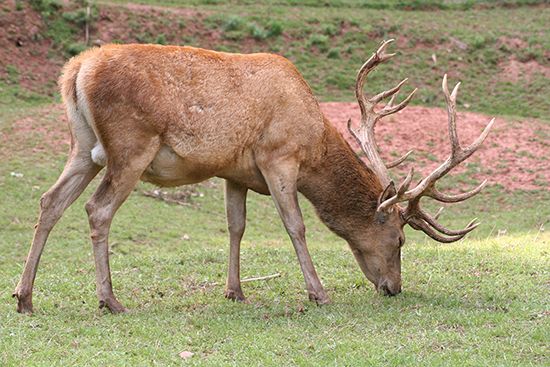
- Wildlife and Nature: The island of Rhum serves as a Nature Conservancy Research Centre, providing opportunities to observe red deer, wild goats, and Highland ponies in their natural habitat.12
- Cultural and Historical Sites: The island of Iona is historically significant as the site where St. Columba arrived in 563 to Christianize the region.1
- Local Industry and Tourism: On islands like Islay, tourism is supported by the island’s famous whisky distilleries, while Tiree attracts visitors interested in its traditional crofting culture and coastal scenery.1
What languages are spoken in the Inner Hebrides, and how have they evolved over time?
The primary language historically associated with the Inner Hebrides is Scottish Gaelic, a member of the Goidelic group of Celtic languages.14
Historical Evolution
- Origins: Gaelic was brought to the islands from Ireland around 500 CE, eventually displacing earlier Celtic languages. By the first centuries CE, it was firmly established among the inhabitants.1562
- Development: Until the 17th century, a common literary Gaelic was shared between Scotland and Ireland. By the 16th century, manuscripts began appearing in a distinctively Scottish form, and by the 17th century, spoken Scottish Gaelic had evolved into a separate language from Irish.71
- Linguistic Pressure: From the medieval period onward, Gaelic faced steady pressure from northern dialects of English, known as Scots. The “Highland Line,” which marks the boundary between these languages, has historically receded westward.7
Modern Status
Today, English is the dominant language of culture and daily life across the Inner Hebrides. While Scottish Gaelic remains a vital part of the region’s heritage, it is losing ground even in northwestern areas where it was once the primary language of business and social activity. However, the Scottish government and local authorities now actively support the language through education and media, including radio and television broadcasts.7415
How has the population of the Inner Hebrides changed over the past century?
The population of the Inner Hebrides has experienced significant fluctuations over the past century, largely driven by economic shifts and historical trends.
During the 19th century, the islands faced considerable social unrest and depopulation as many residents emigrated to Australia and Canada. This trend was exacerbated by the arrival of sheep farmers from the Scottish mainland, which led to the eviction of many small tenant farmers, or crofters. While the 20th century saw continued challenges regarding economic opportunities, recent data indicates varied trends across the islands.
Comparing population figures from 2001 to 2011 reveals mixed results for the main islands:
- Skye: Increased from 9,251 to 10,013.
- Mull: Increased from 2,696 to 2,819.
- Islay: Decreased from 3,997 to 3,228.
- Tiree: Decreased from 770 to 653.
- Jura: Increased from 188 to 196.
- Coll: Increased from 164 to 195.
- Colonsay: Increased from 113 to 132.
These shifts reflect the ongoing influence of crofting, fishing, and the growing importance of tourism in the modern island economy.
What traditional industries have been important to the economy of the Inner Hebrides?
The economy of the Inner Hebrides has historically relied on a blend of traditional land-based and maritime activities. These industries have evolved to support local communities while adapting to modern economic demands.
Traditional Economic Pillars
- Crofting: This system of small-scale tenant farming remains a fundamental aspect of island life. Crofters typically manage small plots of land to supplement their diet and income, often raising livestock such as cattle and sheep.38
- Fishing: Historically, fishing has been a vital occupation, particularly for those living on the islands’ rocky, less fertile eastern coasts. While the industry has seen fluctuations over time, it continues to be a significant contributor to the local economy, with specific islands known for high-quality salmon and trout catches.398
- Textile Production: Weaving is a long-standing tradition in the region. The manufacture of high-quality textiles, such as tweed, has provided essential part-time income for many crofting families for generations.32
- Distilling: The production of whisky is a cornerstone of the economy for several islands, most notably Islay, which is internationally recognized for its distilleries.98
In addition to these traditional sectors, modern industries such as tourism, cheese making, and specialized agriculture—including bulb growing and quarrying—play increasingly important roles in sustaining the islands’ populations.98
Sources
- Inner Hebrides — Encyclopædia Britannica
- Outer Hebrides — Encyclopædia Britannica
- Hebrides — Encyclopædia Britannica
- Celtic languages - Scottish Gaelic — Encyclopædia Britannica
- Scots Gaelic language — Encyclopædia Britannica
- United Kingdom - Languages — Encyclopædia Britannica
- Scotland - Languages — Encyclopædia Britannica
- Islay — Encyclopædia Britannica
- Scotland - Manufacturing — Encyclopædia Britannica
Published on · 4 min read