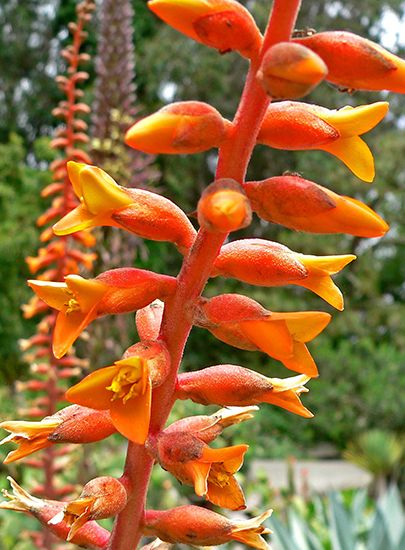
Berberidopsidales
The provided search results do not contain specific information regarding conservation efforts currently in place for the four species within the…
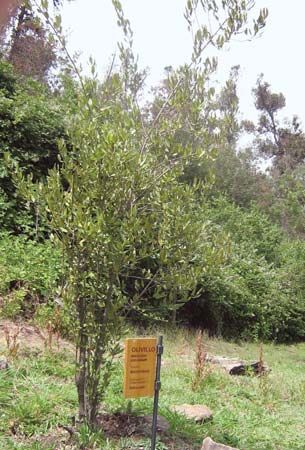
What conservation efforts, if any, are in place for plants in the Berberidopsidales order?
The provided search results do not contain specific information regarding conservation efforts currently in place for the four species within the Berberidopsidales order.
While the order includes rare plants such as the Chilean evergreen tree Aextoxicum punctatum and the sometimes-cultivated Berberidopsis corallina, the available data does not detail specific protection programs or recovery initiatives for these particular species. More broadly, botanical gardens and seed banks play a critical role in global plant conservation by maintaining genetic diversity and protecting endangered species from extinction, but specific documentation for the Berberidopsidales order is not included in the current knowledge base.123
What are the main characteristics of plants in the Berberidopsidales order?
The Berberidopsidales order consists of a small group of woody, evergreen dicotyledonous plants comprising only four species, native exclusively to Chile and Australia. Recognized primarily through molecular data, this order is classified as a basal group within the core eudicots.1
The order is divided into two distinct families:
Aextoxicaceae
This family contains a single species, the rare Chilean evergreen tree Aextoxicum punctatum. Its characteristics include:
- Foliage: Leaves are generally opposite and the plant is covered in scales.
- Reproduction: It is dioecious, meaning male and female flowers grow on separate plants.
- Floral Structure: Flowers are inconspicuous; the ovary features two carpels, though only one is fertile.
- Fruit: Produces a dry, single-seeded fruit containing a large embryo.1
Berberidopsidaceae
This family consists of three species of woody, evergreen scramblers. Key features include:
- Chemical Defense: The plants release cyanide when bruised.
- Foliage: Leaves are spirally arranged and often feature spiny teeth.
- Floral Structure: Flowers are bisexual with six or more stamens.
- Fruit: Produces a berry containing seeds with very small embryos.1
Where are plants from the Berberidopsidales order typically found in nature?
Plants belonging to the Berberidopsidales order are found exclusively in two regions: Chile and Australia.1
The distribution of the four species within this order is as follows:
- Chile: This region is home to the rare evergreen tree Aextoxicum punctatum, which is the sole member of the Aextoxicaceae family, as well as the species Berberidopsis corallina, which is sometimes cultivated for its ornamental red flowers.1
- Australia: The Berberidopsidaceae family includes woody, evergreen scramblers found in eastern Australia.1
These plants are notable for their restricted geographic range, which highlights the unique evolutionary history of this basal order among the core eudicots.1
How do plants in the Berberidopsidales order reproduce?
Reproduction in the Berberidopsidales order varies significantly between its two families:
Aextoxicaceae
The family Aextoxicaceae, represented by the tree Aextoxicum punctatum, is dioecious, meaning male and female flowers are borne on separate plants. The flowers are inconspicuous and feature the following reproductive structures:1
- Floral development: Buds are enclosed by bracteoles that fall away as the flowers expand.1
- Stamens: Each flower contains five stamens.1
- Ovary and Fruit: The ovary is composed of two carpels, but only one is fertile, containing two ovules. The resulting fruit is dry and single-seeded, housing a large embryo.1
Berberidopsidaceae
Members of the Berberidopsidaceae family, which include woody scramblers, utilize a different reproductive strategy:
Sources
- Berberidopsidales — Encyclopædia Britannica
- How Botanical Gardens Save Plants with Science — Encyclopædia Britannica
- Singapore Botanic Gardens: Top Questions — Encyclopædia Britannica
Published on · 3 min read