Droseraceae
The Droseraceae family, commonly known as the sundew family, consists of three genera and approximately 155 species of carnivorous plants within the order…
What are the main characteristics of plants in the Droseraceae family?
The Droseraceae family, commonly known as the sundew family, consists of three genera and approximately 155 species of carnivorous plants within the order Caryophyllales.12
Key characteristics include:
- Habitat: Most members typically inhabit bogs and fens with poor, nutrient-deficient soil. They utilize carnivory to obtain essential nitrogen and salts, supplementing the nutrients they cannot acquire from their environment.132
- Genera:
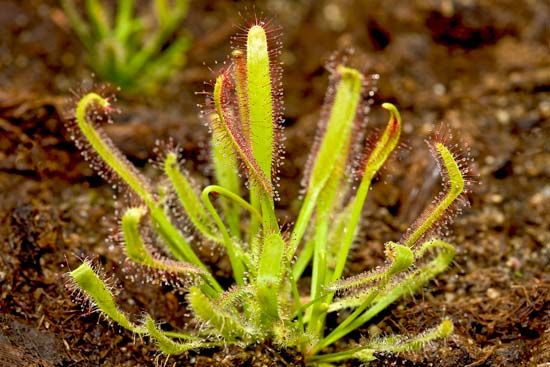
- Drosera: The largest genus, comprising about 152 species of sundews. These plants often feature leaves in a basal rosette covered with sticky, gland-tipped trichomes that act as “flypaper” traps.12
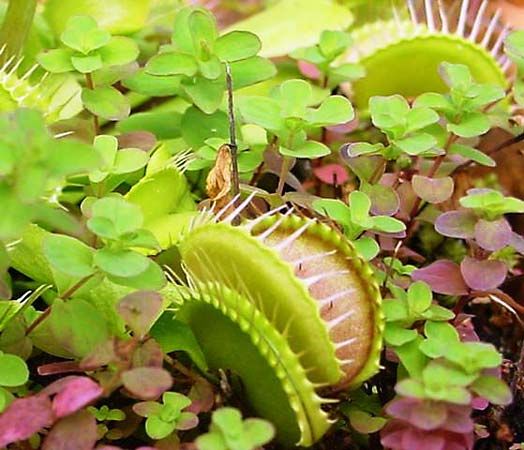
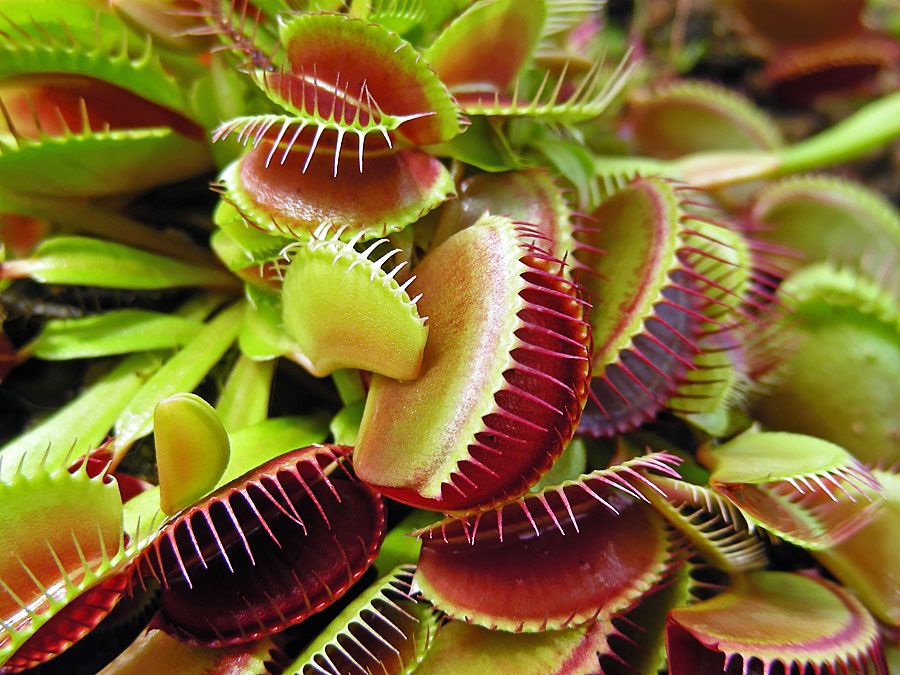
- Dionaea: Represented solely by the Venus flytrap, which uses rapid, active snap traps triggered by sensitive hairs to capture prey.132
- Aldrovanda: The waterwheel plant is a free-floating aquatic genus that uses tiny, rapidly activated traps to ensnare small organisms.12
- Physiology: While they are photosynthetic, their specialized leaves are adapted for trapping and digesting insects and other small prey using enzymes or bacteria.32
How are Droseraceae plants cultivated, and what are the challenges in growing them?
Cultivating plants in the Droseraceae family, such as the Venus flytrap and various sundews, requires mimicking their highly specialized natural environments. Because these plants have evolved to thrive in nutrient-poor bogs and fens, they are not suited for standard potting soil, which can be fatal to them.16
Cultivation Requirements and Challenges
- Soil Conditions: These plants require nutrient-deficient, acidic substrates. They cannot extract necessary nitrogen and salts from standard garden soil, which often contains fertilizers that can burn their sensitive root systems.62
- Environmental Sensitivity: Many species occupy narrow ecological niches. They are highly vulnerable to habitat loss and overcollection in the wild, making it essential for enthusiasts to source plants from reputable, sustainable nurseries rather than wild-harvested specimens.6
- Watering: As bog plants, they require consistent moisture. However, they are sensitive to the mineral content in tap water; distilled or rainwater is generally preferred to prevent the buildup of harmful minerals.16
- Light and Energy: While they are photosynthetic and rely on sunlight for energy, their carnivorous traps are a supplemental adaptation to acquire nutrients. Providing adequate light is crucial for their health, though the specific requirements vary by species.62
In what types of habitats are Droseraceae plants typically found?
Plants in the Droseraceae family are primarily adapted to nutrient-poor, waterlogged environments. Their typical habitats include:
- Bogs and Fens: Most members of the family, particularly the sundews, are found in bogs and fens, where the soil is acidic and deficient in essential nutrients like nitrogen.81
- Wetlands and Depressions: Species such as the Venus flytrap are restricted to specific regions, such as the coastal plains of the Carolinas in the United States, where they grow along the edges of ponds and in wet depressions.81
- Damp Heaths and Savannas: Beyond bogs, these plants are also found in damp heaths and wet savannas.8
- Aquatic Environments: The waterwheel plant (Aldrovanda vesiculosa) is a notable exception to the terrestrial habit, as it is a free-floating aquatic species.1
Because these environments often lack the nutrients necessary for traditional plant growth, these species have evolved carnivorous mechanisms to supplement their diet by capturing insects and other small prey.81
How does the digestive process work in Droseraceae plants?
The digestive process in Droseraceae plants is a specialized chemical breakdown that allows these organisms to thrive in nutrient-poor environments. While these plants are photosynthetic and produce their own energy, they rely on the capture of insects and other small prey to obtain essential nutrients, particularly nitrogen and salts, which are often scarce in their native bog habitats.2103
The process varies slightly by the plant’s trapping mechanism:
- Venus flytrap (Dionaea muscipula): Once an insect triggers the sensitive hairs on the leaf lobes, the trap snaps shut. Glands on the inner surface of the leaf then secrete a red sap containing enzymes that digest the prey’s body. This process typically takes about 10 days, after which the leaf reopens to reset.2
- Sundews (Drosera): These plants use sticky mucilage on gland-tipped hairs to ensnare prey. Once captured, the insect is engulfed by the sticky glands—often referred to as tentacles—and broken down by digestive enzymes. Following the completion of digestion, the leaf unfurls to prepare for the next capture.103
Sources
- Droseraceae — Encyclopædia Britannica
- Venus flytrap — Encyclopædia Britannica
- carnivorous plant — Encyclopædia Britannica
- Droseraceae — Merriam-Webster
- drosera — Merriam-Webster
- Do Carnivorous Plants Eat Their Prey? — Encyclopædia Britannica
- houseplant - Succulents — Encyclopædia Britannica
- Caryophyllales - Droseraceae — Encyclopædia Britannica
- bryophyte - Ecology and habitats — Encyclopædia Britannica
- sundew — Encyclopædia Britannica
Published on · 4 min read