Bermuda
Bermuda is a self-governing British overseas territory located in the western North Atlantic Ocean, approximately 650 miles (1,050 km) east of Cape Hatteras…
What is the geographical location and composition of Bermuda?
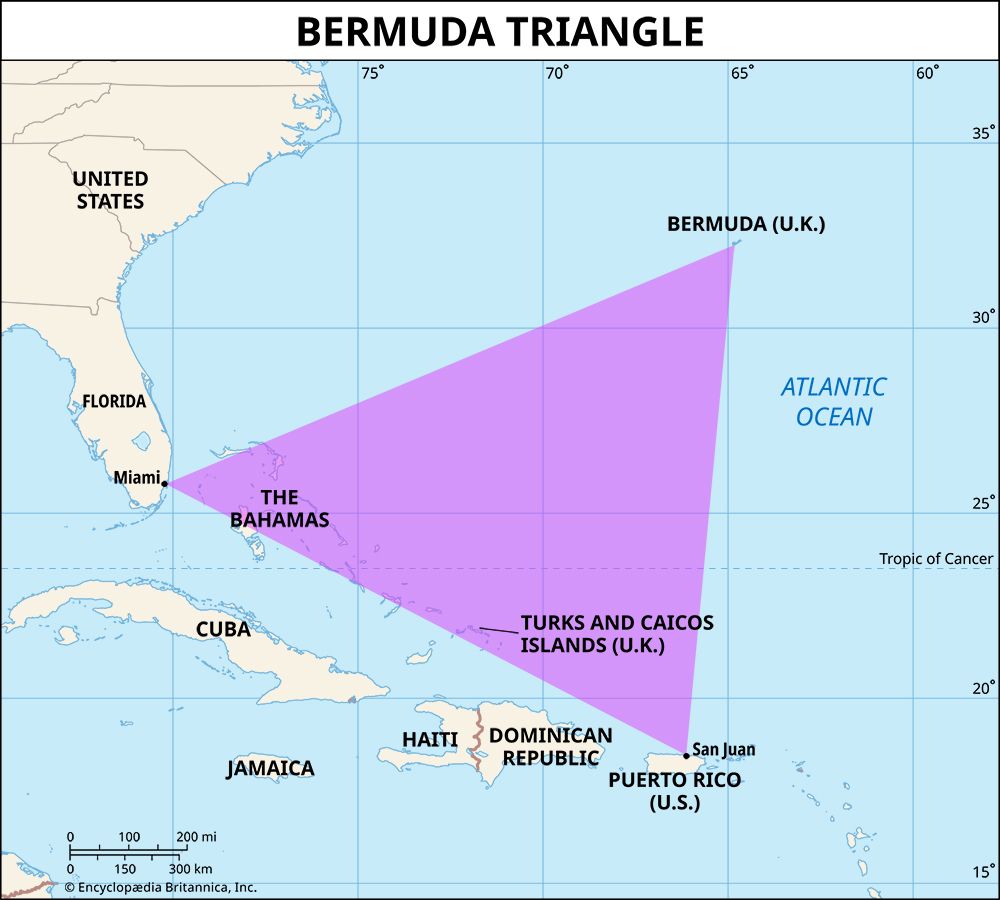
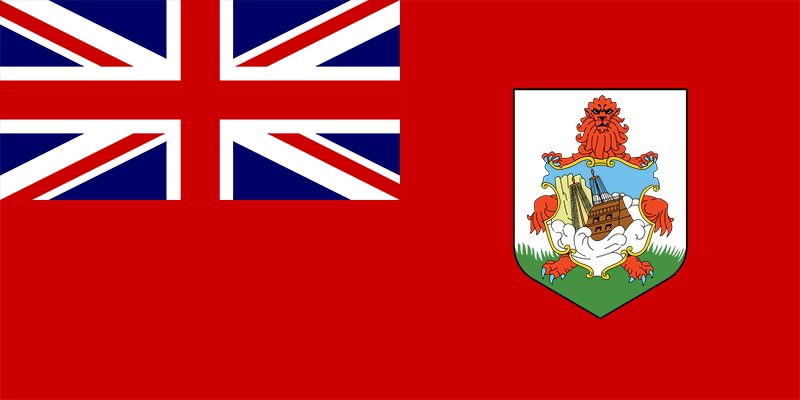
Bermuda is a self-governing British overseas territory located in the western North Atlantic Ocean, approximately 650 miles (1,050 km) east of Cape Hatteras, North Carolina. It is not geographically or geologically part of the West Indies.1
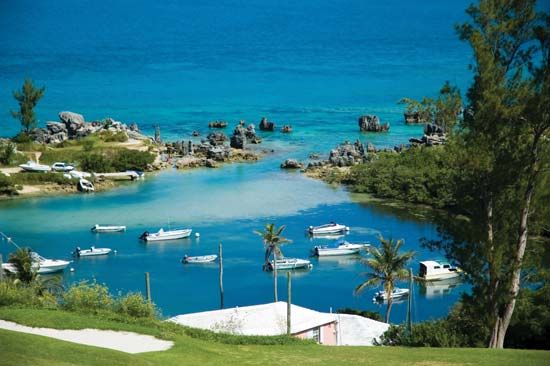
The archipelago consists of 7 main islands and roughly 170 additional islets and rocks, forming a fishhook-like cluster connected by bridges. Geologically, these islands are composed of a 200-foot-thick layer of marine limestone that caps an extinct, submerged volcanic mountain range rising over 14,000 feet from the ocean floor. The surface is covered by a shallow layer of fertile soil, and the islands are fringed by coral reefs. Notably, the territory lacks lakes or rivers, relying on rainfall for its primary water supply.12
How did Bermuda get its name and what is its history of colonization?
Bermuda’s name is attributed to the Spanish navigator Juan Bermúdez, who likely discovered the islands around 1503; by 1511, the name “Bermudas” appeared on Spanish maps. Following a 1609 shipwreck during a hurricane, English travelers aboard the Sea Venture—en route to Jamestown—briefly named the islands the Somers Isles after their leader, Sir George Somers.34
Permanent English colonization began in 1612 when the Virginia Company sent 60 settlers to establish a colony, with St. George serving as the capital until 1815. The colony was administered by the Virginia Company and its successor until 1684, when it came under crown administration.35
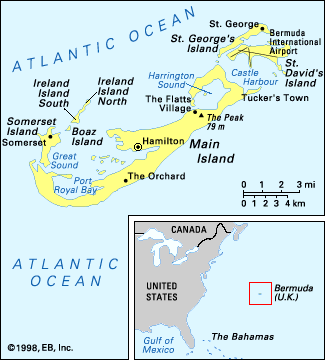
The population grew through a diverse influx of indentured servants, Irish and Scottish political prisoners, and enslaved people—including Africans and Native Americans—transported via the slave trade. Slavery was eventually outlawed in 1833. Today, Bermuda remains a British overseas territory, having rejected independence in a 1995 referendum.3
What are the main economic activities and industries in Bermuda?
Bermuda maintains a prosperous market economy primarily driven by tourism and international financial services, which together account for the vast majority of the territory’s gross national product and workforce employment.6
Key Economic Sectors
- International Finance: Bermuda is a prominent offshore financial center, attracting numerous insurance and investment firms due to its favorable tax environment.6
- Tourism: The island welcomes approximately half a million visitors annually, drawn by its pink sand beaches and historical sites, such as the World Heritage site of St. George.6
- Agriculture and Industry: Local production is limited. Agriculture is of negligible importance, with most food imported, though some local produce like citrus, vegetables, and honey is grown. Small-scale manufacturing includes pharmaceuticals, paint, electronic wares, and printed materials, while mineral production is restricted to sand and limestone for construction.6
The government generates revenue primarily through tariffs and taxes on real estate and tourism rather than high income taxes.6
What is the significance of Bermuda in international business and offshore financial services?
Bermuda serves as a significant global offshore financial center, a status largely underpinned by its favorable tax environment, which includes low income taxes. Because the government derives the majority of its revenue from tariffs and taxes on real estate and tourism rather than high income taxes, the territory has become a highly attractive jurisdiction for international business.6
This fiscal framework has encouraged numerous insurance and investment companies to establish offices on the island. These international financial services, alongside tourism, constitute the primary pillars of the Bermudian economy, collectively accounting for the vast majority of the territory’s gross national product and providing employment for virtually the entire workforce.6
Sources
- Bermuda — Encyclopædia Britannica
- Bermuda - Land — Encyclopædia Britannica
- Bermuda - History of Bermuda — Encyclopædia Britannica
- flag of Bermuda — Encyclopædia Britannica
- Saint George — Encyclopædia Britannica
- Bermuda - Economy — Encyclopædia Britannica
Published on · 3 min read