Beskid Mountains
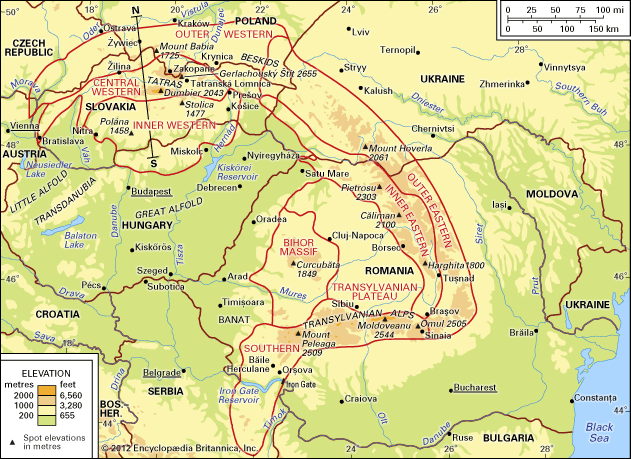
The Beskid Mountains are a series of forested ranges within the Outer Western Carpathians. Compared to other segments of the Carpathian Mountains, the…
What is the origin of the name ‘Beskid’ for these mountains?
How do the Beskid Mountains compare in size and elevation to other mountain ranges in Eastern Europe?
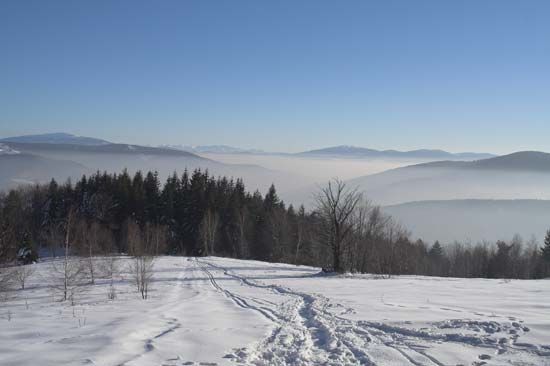
The Beskid Mountains are a series of forested ranges within the Outer Western Carpathians. Compared to other segments of the Carpathian Mountains, the Beskids are generally characterized by lower altitudes and a less rugged, sometimes hilly landscape that can resemble a plateau elevated to 1,300–1,600 feet above sea level.
In terms of elevation, the Beskids are significantly lower than the Central Western Carpathians, where the Tatras reach heights of 8,711 feet. The highest point in the Beskid range is Mount Babia at 5,659 feet (1,725 meters). By contrast, other parts of the Carpathian system, such as the Southern Carpathians and the Eastern Carpathians, feature higher peaks, including Moldoveanu (8,346 feet) and Goverla (6,762 feet), respectively. While the Beskids are a prominent feature of the northern arc, they lack the high-mountain glacial relief found in the central massifs.
Are there any protected areas or national parks within the Beskid Mountains?
Yes, there are protected areas within the Beskid Mountains. Notably, Magura National Park is located in southeastern Poland and serves to protect a portion of the Lower Beskid Mountains. This park is significant for its conservation efforts and for preserving the cultural history of the region, including the ruins of 9th-century castles and villages once inhabited by the Ruthenians, or Lemks.
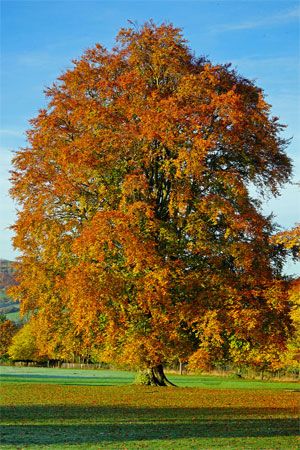
Additionally, the broader Carpathian Mountains region, which encompasses the Beskids, contains various ecological zones that are protected for their biodiversity. For instance, primeval beech forests throughout the Carpathians were designated as a UNESCO World Heritage site in 2007 to ensure the preservation of these unique natural habitats.
What are the main geological features of the Beskid Mountains?
The Beskid Mountains, which form part of the Outer Western Carpathians, are characterized by a distinct geological structure that differs from the high-mountain massifs found elsewhere in the region.
Geological Composition and Relief
- Flysch Deposits: The Beskids are primarily composed of flysch, a sequence of sedimentary rock layers. This geological makeup contributes to their generally lower altitudes and less rugged, often rounded relief compared to the crystalline and volcanic structures of the Central Western Carpathians.
- Topography: A significant portion of the range lacks a classic high-mountain landscape, instead resembling a hilly plateau elevated between 1,300 and 1,600 feet above sea level.
- Mineral Deposits: The northwest foothills of the Beskids contain iron deposits, which historically supported the development of the iron and steel industry in the Ostrava district.
While the range includes notable peaks such as Mount Babia (5,659 feet) and Mount Pilsko, the overall structure is defined by these sedimentary formations rather than the glacial or volcanic features prevalent in the neighboring Central or Eastern Carpathian ranges.
Sources
- Beskid Mountains — Encyclopædia Britannica
- Carpathian Mountains - Physiography of the Carpathian Mountains — Encyclopædia Britannica
- Podkarpackie — Encyclopædia Britannica
- Carpathian Mountains - Plant and animal life — Encyclopædia Britannica
Published on · 2 min read