Conservation
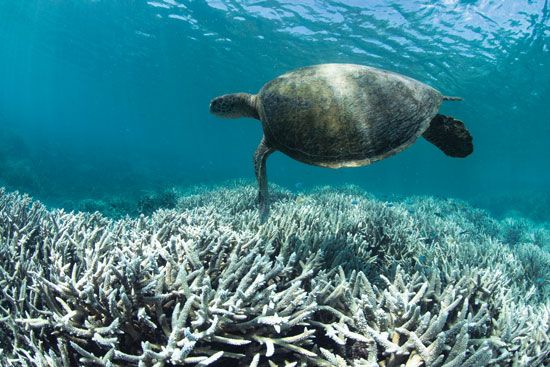
Human activities are the primary drivers of biodiversity loss worldwide, with researchers identifying five major threats to ecosystems:
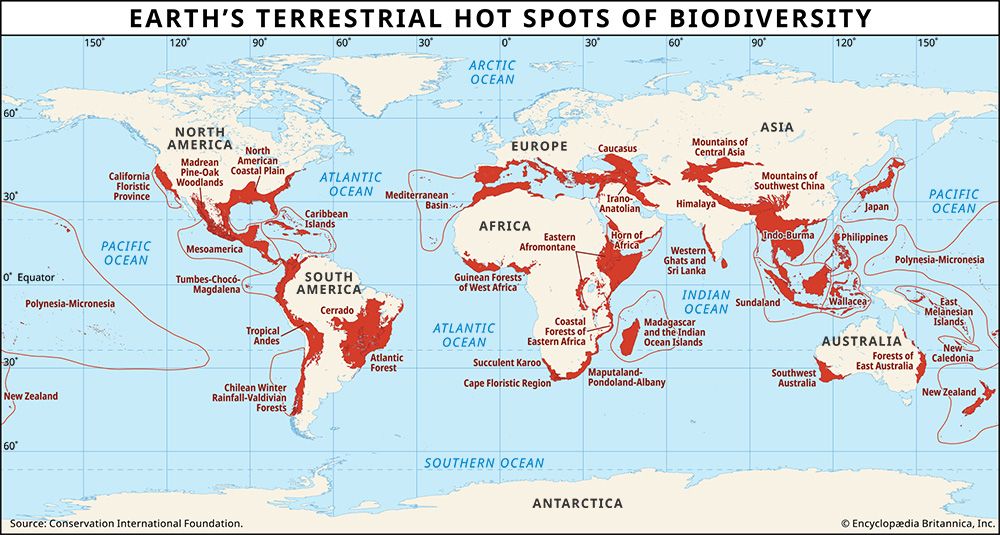
What are some major threats to biodiversity in ecosystems around the world?
Human activities are the primary drivers of biodiversity loss worldwide, with researchers identifying five major threats to ecosystems:
- Habitat loss and degradation: The conversion of natural areas for agriculture, urban development, and resource extraction is the leading cause of decline. This includes habitat destruction, fragmentation, and degradation, which deprive species of essential food and living space.123
- Invasive species: Non-native organisms can disrupt ecosystems by outcompeting native species for resources, acting as predators, or introducing diseases.423
- Overexploitation: The unsustainable hunting, fishing, and harvesting of organisms beyond their capacity to replenish populations drives many species toward extinction.12
- Pollution: The introduction of industrial toxins, pesticides, and excess nutrients (leading to eutrophication) stresses ecosystems and can cause reproductive failure or death in exposed organisms.235
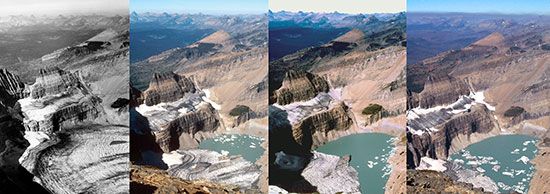
- Climate change: Driven by global warming, this threat alters temperature and precipitation patterns, forcing species to shift their ranges or face extinction if they cannot adapt to changing conditions.26
How do conservation biologists use genetic techniques to preserve endangered species?
Conservation biologists employ various genetic techniques to mitigate the risks associated with small, isolated populations, where genetic drift and inbreeding can rapidly deplete genetic variation and increase the prevalence of harmful genetic defects.910
Key strategies include:
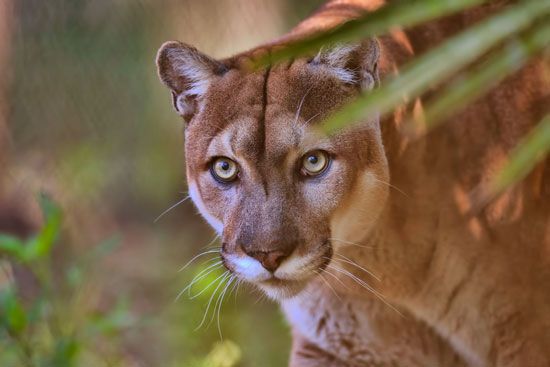
- Genetic Intervention: To combat the loss of diversity, scientists may introduce individuals from outside populations to bring in “new blood.” A notable example is the Florida panther, where the introduction of pumas from Texas successfully increased population numbers and improved the survival rate of hybrid kittens.10
- Gene Banking and Artificial Insemination: Many modern zoos function as “gene banks,” storing genetic material such as semen from endangered species. This material is exchanged globally to facilitate artificial insemination, which helps maintain genetic diversity without the need to transport live animals.10
- Genomic Evaluation: With the decreasing cost of DNA sequencing, biologists are increasingly able to evaluate large segments of an organism’s genome. This allows for more precise management of breeding programs to avoid inbreeding and ensure the long-term viability of species.11
What role do protected areas and wildlife corridors play in conservation ecology?
Protected areas and wildlife corridors are fundamental tools in conservation ecology, serving as essential strategies to combat biodiversity loss and maintain ecosystem stability.
The Role of Protected Areas
Large, well-managed biological reserves are considered the most effective way to protect both individual species and the ecosystems they inhabit. These areas provide several critical functions:12
- Insulation: They shield endangered species from human activities, poaching, and invasive predators.12
- Population Viability: By keeping populations in close proximity, reserves facilitate reproduction and help maintain healthy, stable populations.12
- Biodiversity Preservation: Reserves often harbor undocumented or unassessed species, acting as a safeguard for broader ecological health.12
The Role of Wildlife Corridors
When habitats are fragmented, individual patches may become too small to support viable populations, leading to risks like inbreeding. Wildlife corridors address this by connecting these isolated fragments.13
- Connectivity: Corridors allow for the movement of species between reserves, effectively creating a larger, more functional landscape.13
- Implementation: These can range from simple, small-scale solutions like hedgerows to ambitious, large-scale regional projects that link vast areas of land across continents.13
What is the concept of ‘ecosystem services’ and how does it relate to conservation ecology?
Ecosystem services are the outputs, conditions, or processes of natural systems that directly or indirectly benefit humans or enhance social welfare. These services function as essential inputs for human life, ranging from the pollination of crops by bees to the natural attenuation of flooding by wetlands.15
Relation to Conservation Ecology
In conservation ecology, the concept of ecosystem services provides a framework for recognizing the full value of natural capital, which is often overlooked in traditional markets. Its relationship to the field is defined by several key factors:15
- Justification for Protection: By quantifying the economic and social value of nature, conservationists can make a compelling case for preserving biodiversity. For example, New York City famously chose to protect its natural watersheds rather than invest in expensive water-treatment infrastructure.16
- Biodiversity as a Foundation: Biodiversity is critical for maintaining the quality of these services. As biodiversity loss occurs, ecosystems lose their complexity and resilience, which directly diminishes their ability to provide services like soil maintenance, water purification, and food production.17
- Policy and Management: Conservation strategies now increasingly incorporate “Payments for Ecosystem Services” (PES) initiatives, which incentivize private landowners to manage their land in ways that sustain these vital benefits.15
Sources
- endangered species - Human beings and endangered species — Encyclopædia Britannica
- invasive species — Encyclopædia Britannica
- biodiversity loss - Human-driven biodiversity loss — Encyclopædia Britannica
- habitat loss — Encyclopædia Britannica
- conservation - Global warming — Encyclopædia Britannica
- plant - Changes in biosystems: pollution — Encyclopædia Britannica
- conservation - The loss of ecosystems — Encyclopædia Britannica
- hot spot — Encyclopædia Britannica
- population ecology - Effects of population size — Encyclopædia Britannica
- conservation - Genetic intervention — Encyclopædia Britannica
- Animal breeding - DNA — Encyclopædia Britannica
- conservation - Habitat connections — Encyclopædia Britannica
- endangered species - Species assessment and management — Encyclopædia Britannica
- conservation - Habitat protection — Encyclopædia Britannica
- ecosystem services — Encyclopædia Britannica
- conservation - Putting a price on conservation — Encyclopædia Britannica
- biodiversity loss - Ecological effects — Encyclopædia Britannica
Published on · 4 min read