Carpathian Mountains
The Carpathian region has long served as a crossroads for diverse peoples, shaped by its role as both a geographic barrier and a vital link between cultures.
What significant historical events or cultural developments have taken place in the Carpathian region?
The Carpathian region has long served as a crossroads for diverse peoples, shaped by its role as both a geographic barrier and a vital link between cultures.1
Historical and Cultural Developments
- Migration and Settlement: The region’s history is defined by the movement of various groups, including Slavs, Hungarians, Romanians, and German colonists. In the 12th and 13th centuries, Saxon settlers built fortified villages in Transylvania to defend against invasions.21
- Imperial Influence: For centuries, much of the region was part of Austria-Hungary, which facilitated scientific research and the development of a radial railway network centered on Budapest3.3
- Cultural Synthesis: The region’s architecture and traditions reflect a blend of Romanesque, Gothic, and Baroque styles, alongside influences from the Byzantine Empire and the Middle East6. Traditional pastoral life, including unique garments and customs, has persisted for centuries, though many practices evolved following the political shifts of the 20th century.21
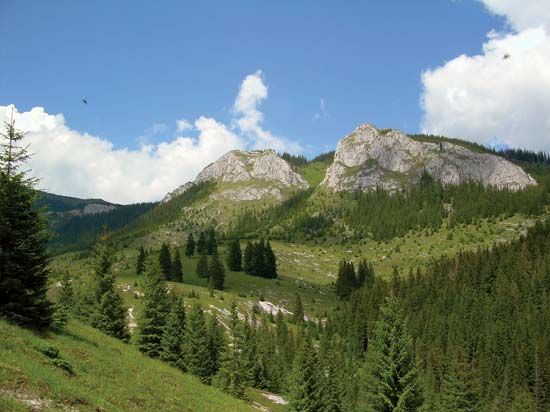
How have the Carpathian Mountains influenced the development of different ethnic groups and cultures in the region?
The Carpathian Mountains have functioned as both a geographic barrier and a vital link, profoundly shaping the settlement patterns and cultural evolution of the region.
Influence on Settlement and Migration
The rugged terrain has historically dictated population density, with communities often clustering in fertile valleys or along mountain passes, while higher massifs remained sparsely inhabited. The mountains facilitated the movement of peoples across the Eurasian landmass, leading to a diverse ethnic mosaic. For instance, in the 13th and 14th centuries, Romanian shepherds migrated along the mountain arc into Slovakian, Polish, and Ukrainian territories, leaving lasting imprints on local architecture, customs, and geographic nomenclature.1
Cultural and Strategic Development
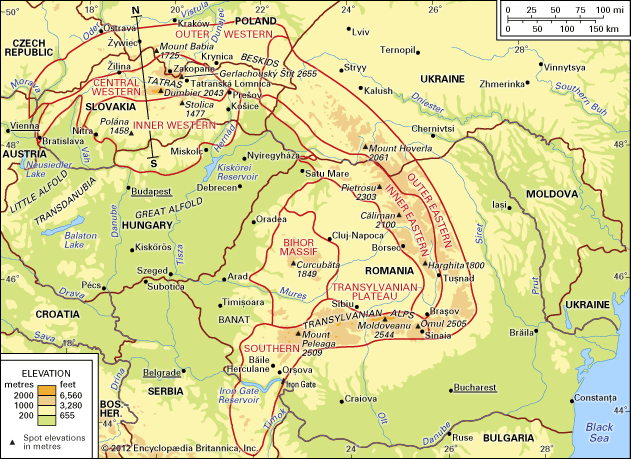
- Strategic Gateways: Mountain passes, such as the Dukla Pass, served as critical conduits for trade and military movement, connecting diverse regions like Slovakia and Poland.2
- Defensive Architecture: In Transylvania, the Carpathian arc provided a natural defensive perimeter. During the Middle Ages, Hungarian rulers encouraged Saxon settlers to build fortified villages and churches to protect the region against invasions.78
- Economic Adaptation: The mountainous relief fostered distinct economic practices, such as terrace cultivation—a legacy of Roman times—and pastoral lifestyles that preserved traditional social structures and dress for centuries.7
What are some of the major rivers that originate in the Carpathian Mountains?
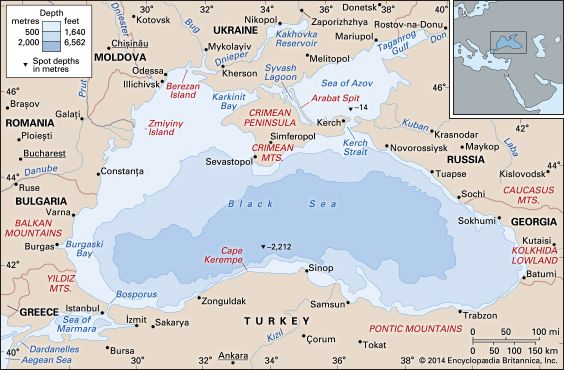
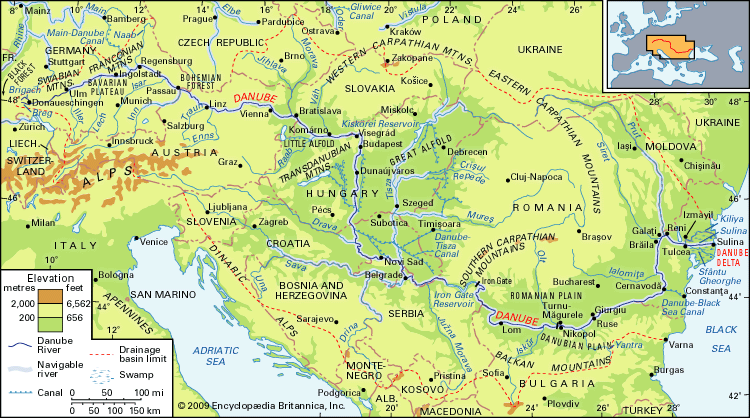
The Carpathian Mountains serve as a major watershed, with approximately 90 percent of their runoff draining into the Black Sea. While the northern slopes contribute to the Baltic Sea via the Vistula and Oder rivers, the majority of the region’s significant waterways are part of the Danube River system or flow directly to the Black Sea.4
Major rivers originating in the Carpathian Mountains include:
- Danube Tributaries: The Váh, Tisza, Olt, Siret, and Prut River.4
- Black Sea Drainage: The Dniester River.4
- Baltic Sea Drainage: The Vistula River.4
These rivers are characterized by a rain-snow regime, often leading to significant spring and summer flooding. To manage these water resources, numerous storage basins have been constructed throughout the region since World War II.4
What role did the Carpathian Mountains play during World War II?
During World War II, the Carpathian Mountains served as a significant strategic feature in Eastern Europe. The range acted as a natural barrier and a critical transit zone, with its mountain passes facilitating military movement across the region.
Specifically, the Dukla Pass—a passage on the frontier between Slovakia and Poland—was utilized by the Russian army during the conflict to navigate southward into Hungary. These passes were essential for controlling access between the northern and southern flanks of the Carpathian arc.9
Following the conclusion of the war, the geopolitical landscape of the region shifted significantly. The northern portion of the Eastern Carpathians and Trans-Carpathian Ukraine were incorporated into the Soviet Union, which altered the strategic importance of the existing railway and transportation networks. These routes were subsequently reconfigured to serve as vital arteries linking Ukraine, Slovakia, and Hungary.10
Sources
- Carpathian Mountains - The people — Encyclopædia Britannica
- Romania - Settlement patterns — Encyclopædia Britannica
- Carpathian Mountains - Study and exploration — Encyclopædia Britannica
- Carpathian Mountains - Drainage of the Carpathian Mountains — Encyclopædia Britannica
- Carpathian Mountains - Transportation — Encyclopædia Britannica
- Romania - Cultural milieu — Encyclopædia Britannica
- Transylvania — Encyclopædia Britannica
- Carpathian Mountains - Geology — Encyclopædia Britannica
- Dukla Pass — Encyclopædia Britannica
- Eastern Front - Physical characteristics of the Eastern Front — Encyclopædia Britannica
Published on · 3 min read