Betulaceae
The Betulaceae family, commonly known as the birch family, consists of approximately 145 to 150 species of woody trees and shrubs within the order Fagales.…
What are the main characteristics of plants in the Betulaceae family?
The Betulaceae family, commonly known as the birch family, consists of approximately 145 to 150 species of woody trees and shrubs within the order Fagales. These plants are primarily distributed throughout the temperate and subarctic regions of the Northern Hemisphere.123
Key characteristics of the family include:
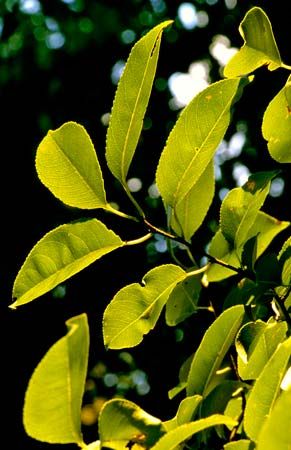
- Foliage: The plants typically feature simple, alternate, and serrate leaves. Many species are deciduous.23
- Reproduction: They are monoecious, meaning both male and female flowers are borne on the same plant2. These flowers often appear before or with the leaves and are primarily wind-pollinated.324
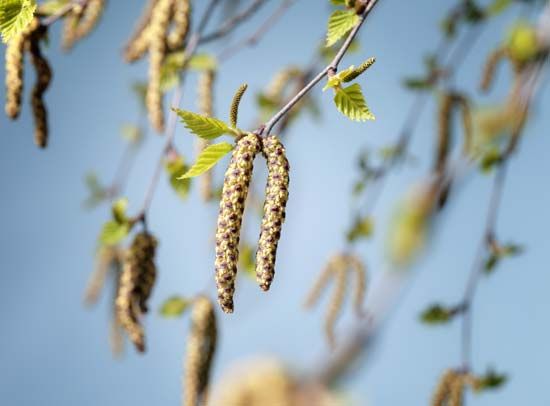
- Inflorescence: Male flowers are typically arranged in long, pendulous catkins, while female flowers may be found in shorter pendulous or erect catkins.24
- Fruit: The fruit is generally a small nut or a short-winged samara. In many genera, these are subtended or enclosed by modified bracts, often referred to as a husk or cupule.234
The family includes six major genera, most notably birch (Betula), alder (Alnus), hazelnut (Corylus), hornbeam (Carpinus), and hop-hornbeam (Ostrya).12
Are there any unique adaptations or features found in certain species of the Betulaceae family?
Members of the Betulaceae family exhibit several unique adaptations that allow them to thrive in diverse and often challenging environments:
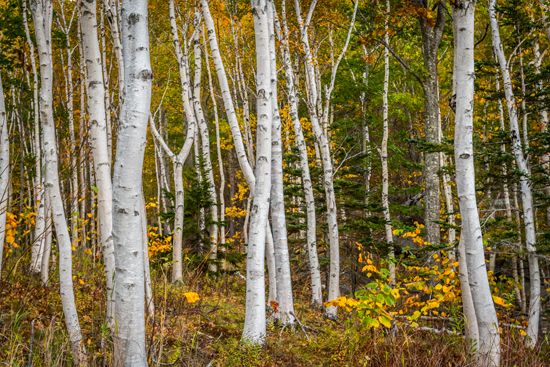
- Resilient Bark: Many birch species possess thin, resinous bark that peels in sheets. This bark is notably water-impervious, a feature historically utilized for roofing, canoes, and footwear. Additionally, the bark of yellow and paper birch contains oils that allow it to burn even when wet, providing a survival advantage in damp conditions.2
- Pioneer Capabilities: Birches are often among the first trees to colonize areas after glaciers recede or land is cleared by fire. Their quick growth and ability to act as “nurse trees” provide protective cover for the development of more permanent plant species, aiding in reforestation and erosion control.23
- Extreme Hardiness: Some species reach the northern limits of woody plant growth, with alpine and tundra shrubs like dwarf birch adapted to harsh, cold climates.62
- Specialized Growth Habits: Certain species, such as the water birch, grow in clusters with all stems rising from a common root system, while others, like swamp birch, can adapt to boggy sites by growing in erect or matted forms.2
What are the economic and ecological importance of Betulaceae family members?
The Betulaceae family, or birch family, holds significant economic and ecological value. It is important to note that while the family produces the hazelnut, it is distinct from the “betel nut,” which comes from an unrelated palm species and is associated with different cultural and health contexts.12
Economic Importance
- Timber and Wood Products: Many species, particularly birch and alder, are vital sources of timber. Their wood is used for furniture, cabinetry, flooring, plywood, and turnery.183
- Food and Extracts: The genus Corylus is the source of hazelnuts (filberts). Additionally, oil of betula, derived from birch twigs, is used in tanning and as a flavoring agent.13
- Ornamentals: Numerous species are cultivated globally for their aesthetic value in landscaping.918
Ecological Importance
- Reforestation and Soil Health: As pioneer species, these plants are often the first to colonize denuded or post-glacial landscapes. They act as “nurse trees,” providing cover for more permanent species.83
- Erosion Control: Due to their spreading root systems and tolerance for moist conditions, they are frequently planted along stream banks to prevent erosion and manage flooding.83
- Wildlife Support: Certain species, such as dwarf birches, serve as essential food sources for birds and grazing animals in alpine and tundra ecosystems.3
How are plants in the Betulaceae family distributed geographically?
Members of the Betulaceae family are primarily distributed throughout the temperate and subarctic regions of the Northern Hemisphere, where they are often dominant woody plants in Arctic and Alpine environments.102
- Northern Hemisphere: The family is a conspicuous element across the Northern Hemisphere, with many species reaching the northern limit of the tree line. Genera such as Betula (birches) and Corylus (hazelnuts) are widely distributed throughout these cool regions.1028
- East Asia: The greatest taxonomic diversity of the family is found in the moist temperate forests of East Asia, particularly in China, where all six genera are well represented.10
- Southern Hemisphere: While primarily a northern group, members of the family extend into the Southern Hemisphere exclusively in the Americas. Specifically, the genus Alnus (alders) ranges south through the Andes as far as Argentina, reaching latitudes of approximately 20° S.1023
Sources
- list of plants in the family Betulaceae — Encyclopædia Britannica
- Betulaceae — Encyclopædia Britannica
- birch — Encyclopædia Britannica
- Betulaceae — Merriam-Webster
- Fagales - Characteristic morphological features — Encyclopædia Britannica
- gray birch — Encyclopædia Britannica
- catkin — Encyclopædia Britannica
- alder — Encyclopædia Britannica
- Betel — Encyclopædia Britannica
- Fagales - Betulaceae — Encyclopædia Britannica
Published on · 4 min read