Redwood National Park
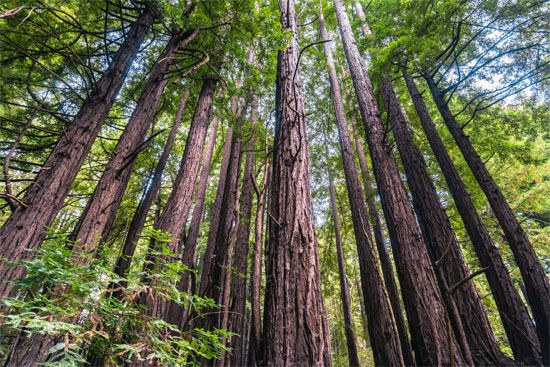
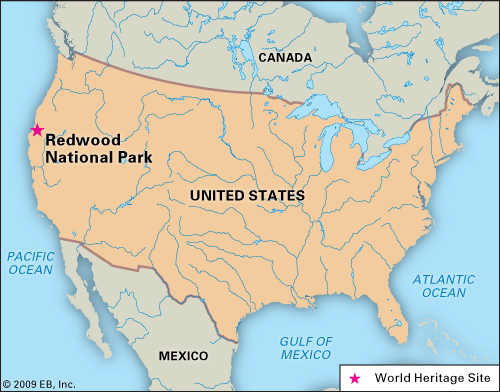
Redwood National Park was established in 1968 to protect and preserve the remaining virgin, old-growth groves of ancient redwood trees in northwestern…
What is the history behind the establishment of Redwood National Park?
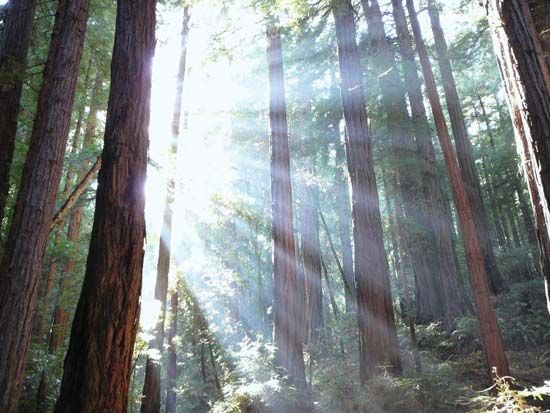
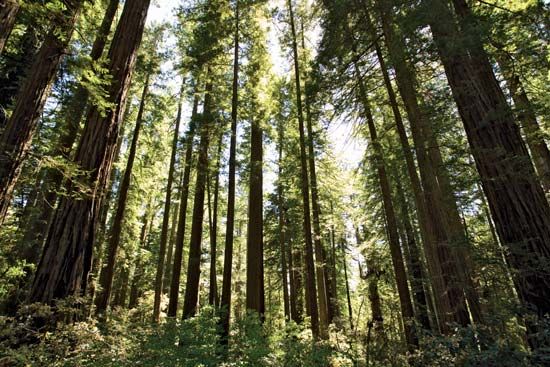
Redwood National Park was established in 1968 to protect and preserve the remaining virgin, old-growth groves of ancient redwood trees in northwestern California. These majestic forests had been significantly reduced in extent due to extensive commercial logging, a practice that continues in areas outside the park’s boundaries today.1
The park’s creation was a vital step in safeguarding these long-lived species, which can reach ages of up to 2,000 years. Following its initial establishment, the park underwent a significant boundary change in 1978 to further enhance its conservation efforts. Today, the protected area encompasses 172 square miles, including three existing state parks—Jedediah Smith Redwoods, Del Norte Coast Redwoods, and Prairie Creek Redwoods—and was designated a World Heritage site in 1980.1
What wildlife can be found in Redwood National Park?
Redwood National Park is home to a diverse array of wildlife, ranging from marine animals along its 40 miles of coastline to various mammals inhabiting the inland forests.1
Marine and Coastal Wildlife
- Sea lions and harbour seals: These marine mammals reside in the waters offshore.1
- Birds: The coastal cliffs and beaches are frequented by bald eagles, double-crested cormorants, and the endangered California brown pelican.1
Inland Wildlife
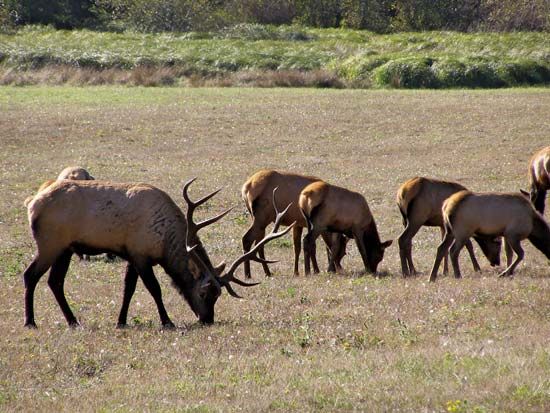
- Roosevelt elk: This is the most commonly sighted wild mammal within the park.1
- Predators: The park is inhabited by black bears, coyotes, and bobcats.1
- Small mammals and deer: Visitors may also encounter blacktail deer, chipmunks, and squirrels.1
The park’s unique environment, characterized by its ancient redwood forests and summer fog, provides a critical habitat for these species.1
What are the main features and attractions of Redwood National Park?
Redwood National Park, located in the northwestern corner of California, is a premier destination renowned for its ancient, towering forests and dramatic coastal scenery. Established in 1968 and designated a World Heritage site in 1980, the park protects a significant portion of the world’s remaining old-growth redwood groves.1
Key Features and Attractions
- Ancient Forests: The park encompasses 172 square miles, with over one-third consisting of virgin, old-growth forest. It is home to the coast redwood (Sequoia sempervirens), the tallest tree species on Earth, which can live for up to 2,000 years.12
- Scenic Coastline: Visitors can explore 40 miles of rugged Pacific coastline, featuring sea cliffs and beaches that provide habitat for marine life and coastal birds.1
- Integrated State Parks: The national park incorporates three state parks—Jedediah Smith Redwoods, Del Norte Coast Redwoods, and Prairie Creek Redwoods—offering a diverse range of landscapes.1
- Recreational Activities: The park is a popular destination for hiking, backpacking, and camping, allowing visitors to immerse themselves in the unique environment.1
What recreational activities are available for visitors to Redwood National Park?
Visitors to Redwood National Park have several opportunities to engage with the park’s unique natural landscape through various recreational activities.
The primary recreational pursuits available in the park include:
- Hiking: Visitors can explore the extensive trail systems that wind through the ancient, old-growth redwood groves and along the scenic Pacific coastline.1
- Backpacking: For those looking for a more immersive experience, the park offers opportunities for multi-day backpacking trips through its diverse terrain.1
- Camping: The park provides designated areas for camping, allowing visitors to stay overnight within the protected environment of the national and state park lands.1
These activities allow guests to experience the park’s 172-square-mile area, which includes the towering redwood forests and 40 miles of rugged coastline.1
Sources
- Redwood National Park — Encyclopædia Britannica
- coast redwood — Encyclopædia Britannica
Published on · 3 min read