Bighorn River
The Bighorn River, which flows through Wyoming and Montana, offers significant recreational opportunities, particularly within the Bighorn Canyon National…
What are some popular recreational activities along the Bighorn River?
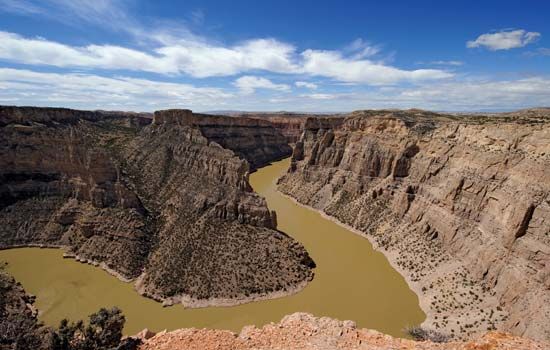
The Bighorn River, which flows through Wyoming and Montana, offers significant recreational opportunities, particularly within the Bighorn Canyon National Recreation Area. This area, which spans the border between the two states, is a primary destination for those looking to enjoy the river’s scenic landscape and natural environment.1
While the provided information highlights the river’s geography and the existence of the national recreation area, it does not detail specific recreational activities such as fishing, boating, or hiking.
What is the historical significance of the Bighorn River to Native American tribes?
The Bighorn River holds significant historical importance as a central feature of the ancestral homelands of the Crow people. Historically, the Crow occupied the valleys of the Powder, Wind, and Bighorn rivers, relying on the region’s resources to sustain their traditional way of life, which centered on the buffalo and the horse.1
The river and its surrounding basin became a focal point of conflict during the 19th-century Plains Wars. As the American frontier expanded, the region saw intense military activity and shifting alliances. The Crow, facing pressure from encroaching tribes such as the Blackfoot and Dakota Sioux, ultimately aligned with the U.S. military during the conflicts of the 1860s and 1870s.1
The river system is also famously associated with the Battle of the Little Bighorn, a major engagement where Lakota and Cheyenne forces defeated the 7th Cavalry Regiment. Following these turbulent years, the Crow accepted a reservation in southern Montana in 1868, carved from their former tribal lands.21
Are there any notable landmarks or historical sites along the Bighorn River?
Several notable landmarks and historical sites are located along or near the Bighorn River, reflecting the region’s rich geological and cultural history:
- Bighorn Canyon National Recreation Area: This area spans the border of Wyoming and Montana, protecting the spectacular Bighorn Canyon and offering extensive recreational access to the river’s landscape.1
- Little Bighorn Battlefield National Monument: Situated near the confluence of the Little Bighorn and Bighorn rivers in Montana, this site commemorates the 1876 battle between the U.S. 7th Cavalry and the Lakota and Cheyenne forces.15
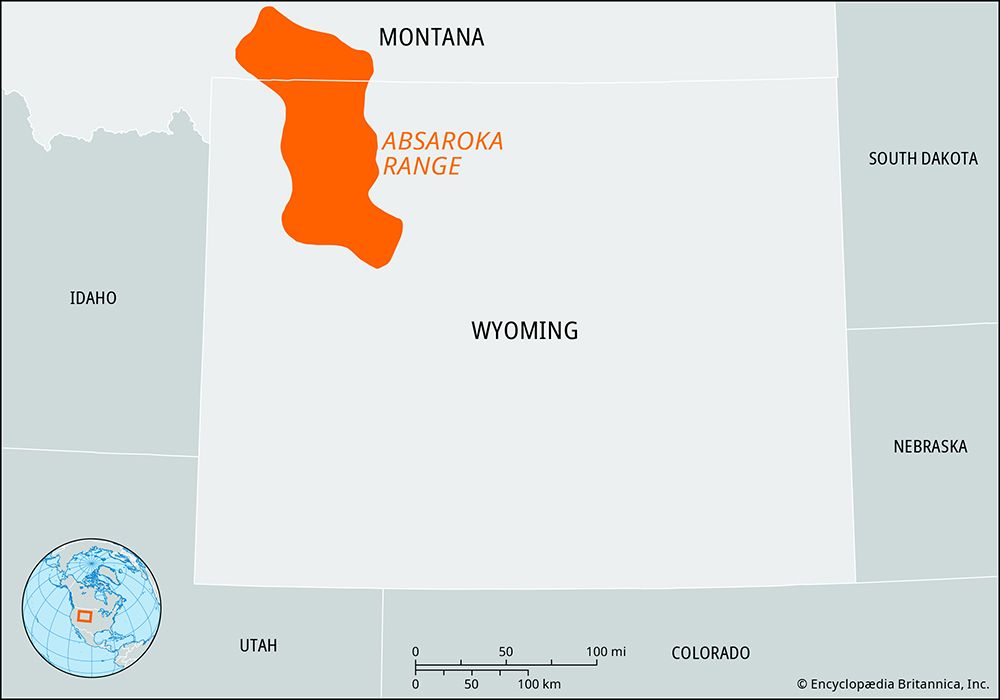
- Wind River Canyon: Located in Wyoming, this deep, scenic gorge cuts through the Owl Creek Mountains, marking a dramatic section of the river’s upper basin.1
- Boysen Dam: Found in the southern section of the Wind River Canyon, this structure is a significant feature of the river’s development.1
- The Medicine Wheel: While located in the nearby Bighorn Mountains, this prehistoric national historic landmark is a sacred site featuring a unique stone wheel pattern used for ancient astronomical observation.6
What is the length of the Bighorn River and which states does it flow through?
The Bighorn River flows through the states of Wyoming and Montana in the United States. The river has a total length of 461 miles (742 km).1
It originates in northwestern Wyoming as the Wind River and transitions into the Bighorn River after passing through the Wind River Canyon. It continues northward through the Big Horn Basin, crosses the border into Montana, and eventually empties into the Yellowstone River at Bighorn, Montana.1
We could dive deeper into the geography of the river’s basin or explore the irrigation projects mentioned in the region.
Sources
- Bighorn River — Encyclopædia Britannica
- Plains Wars - Defeat of the Plains Indians — Encyclopædia Britannica
- Crow — Encyclopædia Britannica
- Little Bighorn — Merriam-Webster
- Little Bighorn Battlefield National Monument — Merriam-Webster
- Bighorn Mountains — Encyclopædia Britannica
- Bighorn — Merriam-Webster
- Yellowstone River — Encyclopædia Britannica
Published on · 2 min read