Bihor Massif
The Bihor Massif is a mountain massif located in western Romania and serves as the highest part of the Apuseni Mountains, which are part of the Western…
What is Bihor Massif?
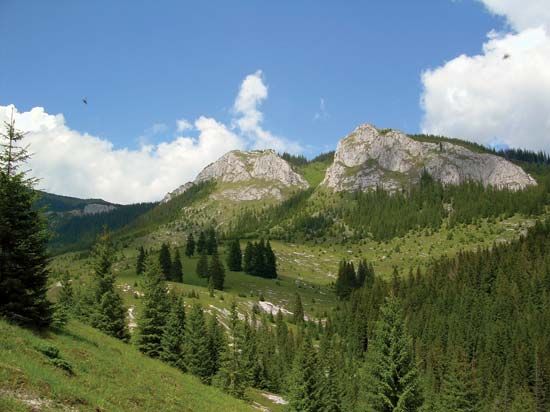
The Bihor Massif is a mountain massif located in western Romania and serves as the highest part of the Apuseni Mountains, which are part of the Western Carpathians.1
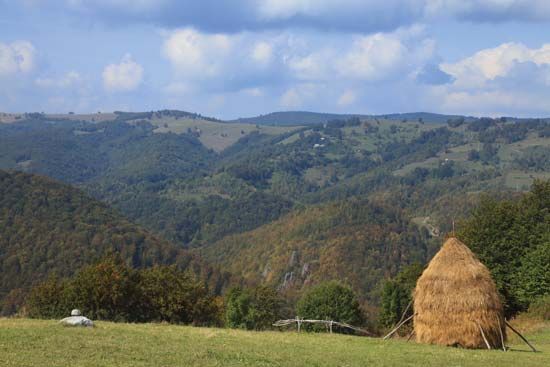
Occupying an isolated position within the Carpathian arc, the massif measures approximately 16 miles (25 km) in length and 9 miles (14 km) in width. Its geography is characterized by widespread, nearly smooth summit plains broken by peaks of harder rock and bordered by deep, narrow valleys. The highest point is Curcubăta Mare, which reaches an elevation of 6,066 feet (1,849 m). Geologically, the massif is composed of metamorphic rock covered by younger sediments.12
A notable northern extension of the massif is the Vlădeasa range, a volcanic formation reaching 6,023 feet (1,836 m) that serves as the source for several important rivers, including the Crișu Repede and the Someșu Cald.1
What are the main differences between metamorphic and volcanic mountain ranges?
Metamorphic and volcanic mountain ranges are distinguished primarily by their formation processes, the types of rock they contain, and their structural characteristics.
Formation Processes
- Metamorphic Mountains: These are primarily formed through orogeny—the process of mountain building—often resulting from the collision of tectonic plates. As plates collide, immense pressure and heat cause existing rocks to undergo metamorphism, where they recrystallize into new mineral assemblages without melting.34
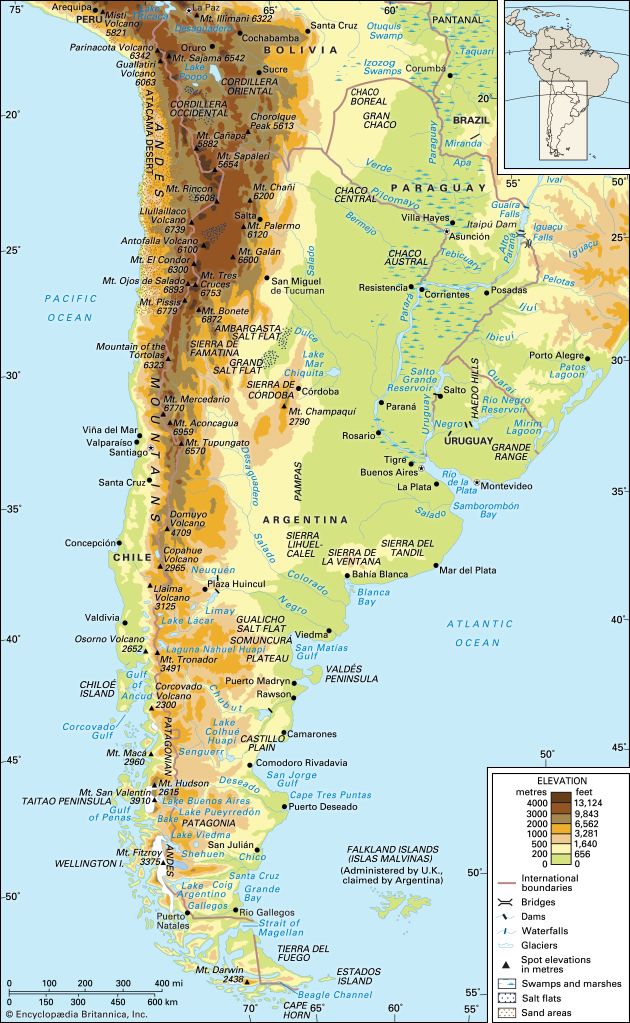
- Volcanic Mountains: These form when magma rises from beneath the Earth’s crust to the surface. This is common at subduction zones, where an oceanic plate is forced beneath a continental plate, creating volcanic chains like the Andes.3
Rock Composition and Structure
- Metamorphic Ranges: These are often composed of crystalline rocks that solidified at great depths. They typically feature complex, folded structures and are highly resistant to erosion, which is why they often contain the world’s highest peaks, such as the Himalayas.56
- Volcanic Ranges: These are characterized by individual volcanic peaks. In active chains, such as island arcs, these mountains may be separated by expanses of lower topography. Unlike metamorphic belts, their structure is directly tied to the accumulation and solidification of volcanic material.53
Summary Table
Feature
Metamorphic Mountains
Volcanic Mountains
Primary Driver
Tectonic collision/pressure
Magma ascent/volcanism
Rock Type
Recrystallized (metamorphic)
Igneous (solidified magma)
Typical Structure
Folded, crystalline belts
Individual peaks or chains
Example
Himalayas
Andes
How do the Apuseni Mountains fit into the larger Carpathian mountain system?
The Apuseni Mountains are a significant mountain chain in northwestern Romania that function as a subgroup of the larger Carpathian Mountains system.1011
Within the broader geological framework of the Carpathians, the Apuseni Mountains are categorized as part of the Western Carpathians. Unlike the continuous ranges found in other divisions of the system, the Western Carpathians consist of a cluster of massifs separated by deep structural depressions. The Bihor Massif, which serves as the central and highest point of the Apuseni group, occupies a unique position at the center of the Carpathian arc.111012
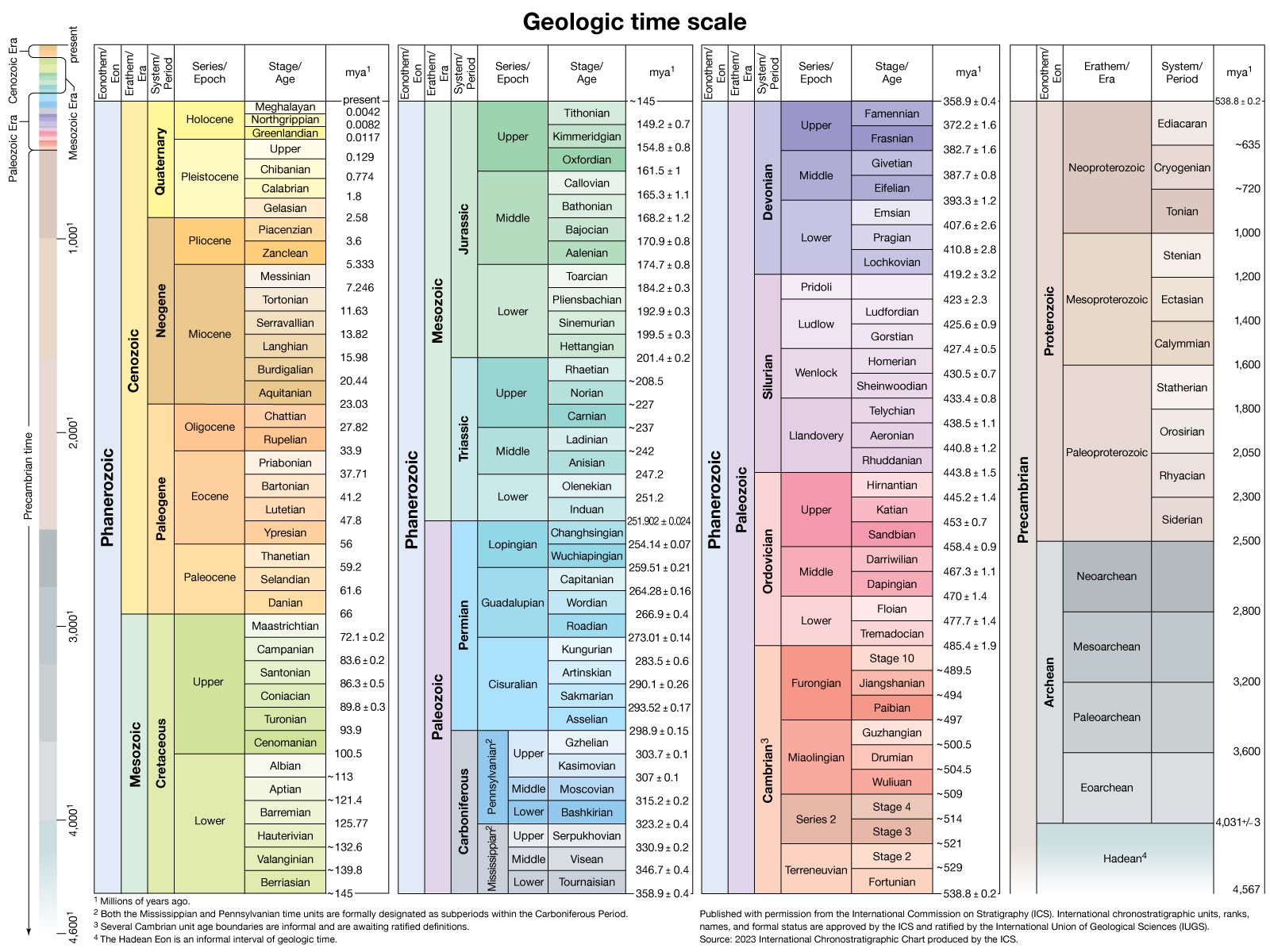
Geologically, the Apuseni Mountains share the complex history of the Inner Carpathians, which are built upon ancient crystalline and metamorphic cores. These cores were subsequently covered by younger sedimentary rocks, primarily Mesozoic Era limestones and dolomites, which have been overthrust onto the older formations. This structural composition contributes to the region’s distinct landscape, characterized by rounded crests, deep river valleys, and extensive karst formations.121011
What kind of wildlife and vegetation are typically found in the Western Carpathians?
The vegetation and wildlife of the Western Carpathians are organized into distinct altitudinal zones, reflecting the region’s varied topography and climate.
Vegetation Stages
The plant life in the Carpathians is categorized by elevation, with specific species dominating each stage:
- Alpine Stage: Characterized by high-mountain pastures.
- Subalpine Stage: Dominated by dwarf pine growth.
- Upper Forest Stage: Primarily composed of spruce forests.
- Lower Forest Stage: Dominated by beech trees. Notably, several primeval beech forests in the Carpathian system have been designated as a World Heritage site.
- Foreland Stage: Noted for the presence of oaks and elms, and typically utilized for agriculture, such as wheat and potato cultivation.
Wildlife
The animal life across the Carpathian range is diverse, particularly in areas where forests have been well-preserved. Common species found throughout the mountains include:
- Bears
- Wolves
- Lynx
- Deer
- Boars
In the highest elevations, such as the Tatras, specialized species like chamois and marmots are also present.
Sources
- Bihor Massif — Encyclopædia Britannica
- Carpathian Mountains - Physiography of the Carpathian Mountains — Encyclopædia Britannica
- plate tectonics - Mountain building — Encyclopædia Britannica
- mountain - Geomorphic characteristics — Encyclopædia Britannica
- metamorphic rock - Regional metamorphism — Encyclopædia Britannica
- How are mountains formed? — Encyclopædia Britannica
- metamorphic rock — Encyclopædia Britannica
- metamorphic rock - Thermodynamics of metamorphic assemblages — Encyclopædia Britannica
- metamorphic rock - Temperature — Encyclopædia Britannica
- Apuseni Mountains — Encyclopædia Britannica
- Carpathian Mountains - Geology — Encyclopædia Britannica
- Europe - Mesozoic and Cenozoic eras — Encyclopædia Britannica
- Romania - Relief — Encyclopædia Britannica
- Carpathian Mountains - Plant and animal life — Encyclopædia Britannica
- Carpathian Mountains - Tourism — Encyclopædia Britannica
Published on · 3 min read