Bimini Islands
The Bimini Islands are a string of islands located in the northwestern Bahamas, situated approximately 50 miles (80 km) east of the Florida coast and 110…
What is Bimini Islands?
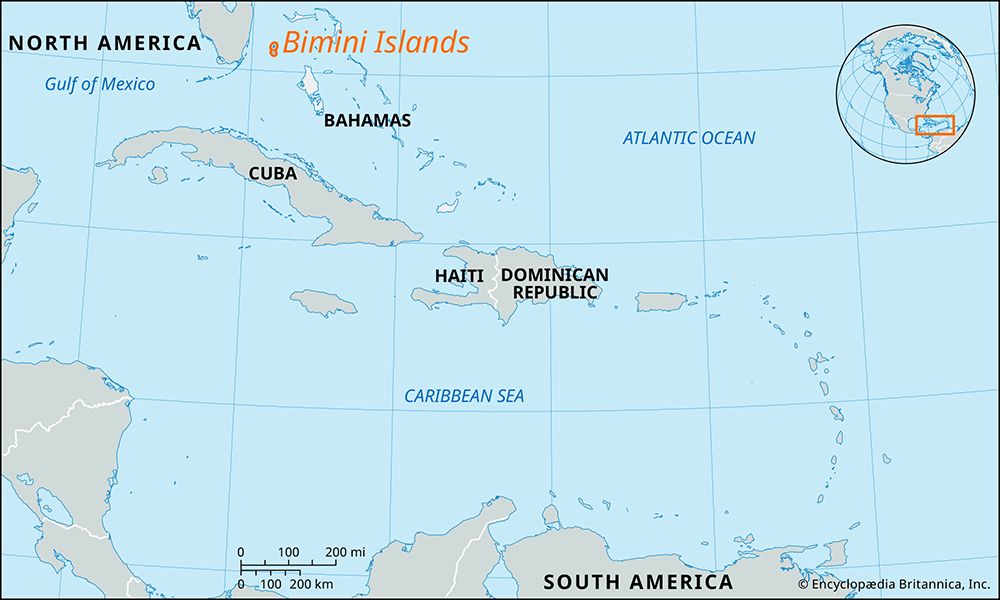
The Bimini Islands are a string of islands located in the northwestern Bahamas, situated approximately 50 miles (80 km) east of the Florida coast and 110 miles (175 km) west of Nassau.1
The archipelago consists of two main islands:
- North Bimini: The northernmost island, which hosts the primary towns of Alice Town, Bailey Town, and Paradise Point, along with numerous tourist beaches and yacht harbors.1
- South Bimini: Primarily an agricultural island.1
Additionally, the region includes smaller cays to the south, such as Cat Cay, which are well-known for their exceptional game-fishing grounds. The islands span 40 miles (65 km) from north to south and had a recorded population of 1,988 in 2010.1
What is the legend of the Fountain of Youth in Bimini?
The legend of the Fountain of Youth suggests that a miraculous spring capable of rejuvenating those who drank from its waters existed on the island of Bimini in the Bahamas.3
Tradition holds that the Spanish explorer Juan Ponce de León learned of this fabled site from Indigenous peoples during his time in the West Indies. While the search for this fountain is often cited as a motivation for his 1513 expedition—which led to the first European landing in Florida—modern scholarship indicates that the quest for the fountain was likely not his primary objective.3
How does the geography of the Bahamas affect its climate?
The geography of the Bahamas plays a significant role in shaping its mild, humid climate. As an archipelago rising from the Atlantic Ocean, the islands are heavily influenced by their surrounding marine environment, which acts as a massive heat reservoir that regulates temperature and facilitates moisture transfer through evaporation4.45
The islands’ low-lying topography—characterized by extensive flatlands and minimal elevation—allows trade winds to blow across them consistently. These winds, originating from the northeast in winter and the southeast in summer, provide a cooling influence that mitigates the humidity. Furthermore, these same winds have historically shaped the landscape itself, blowing sand inland to form dunes and hills on the northeastern sides of many islands.467
While the ocean provides a moderating effect, the region’s geographic position also makes it susceptible to tropical cyclones. The warm waters surrounding the islands are a critical factor in the development of these storms, which pose a periodic threat to the archipelago between June and November.75
What kind of marine life is found in the waters around the Bahamas?
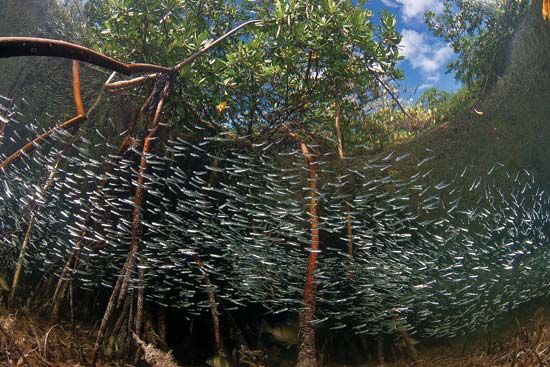
The waters surrounding the Bahamas are home to an abundant and diverse array of marine life. The region’s extensive shallow banks, such as the Great Bahama Bank, provide a rich environment that supports a variety of species, making the area a significant location for commercial fishing.859
Key marine species found in these waters include:
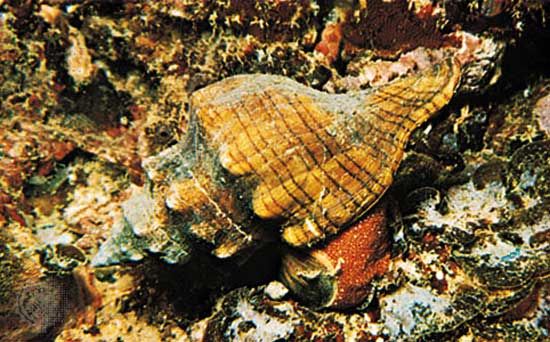
- Edible Marine Animals: The fishing industry is notably dominated by spiny lobster (often referred to as crayfish) and conch.89
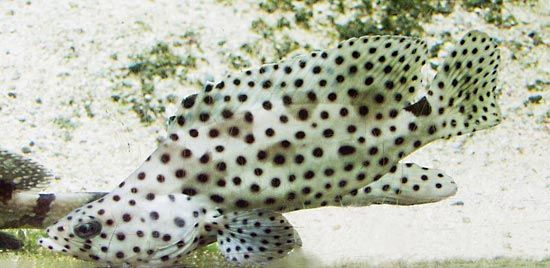
- Food Fishes: The reefs and surrounding banks abound with various fish species, most notably grouper and snapper.910
Beyond these specific species, the geological foundation of the islands themselves—composed of limestone and the skeletal remains of coral fossils—highlights the long-standing importance of marine organisms in shaping the archipelago’s physical structure.11
Sources
- Bimini Islands — Encyclopædia Britannica
- Bimini — Merriam-Webster
- Juan Ponce de León — Encyclopædia Britannica
- The Bahamas - Climate of the The Bahamas — Encyclopædia Britannica
- The Bahamas - Relief and soils — Encyclopædia Britannica
- Trade wind — Encyclopædia Britannica
- Climate - Climate and the oceans — Encyclopædia Britannica
- The Bahamas - Plant and animal life — Encyclopædia Britannica
- Great Bahama Bank — Encyclopædia Britannica
- The Bahamas - Agriculture and fishing — Encyclopædia Britannica
- Turks and Caicos Islands - Land — Encyclopædia Britannica
Published on · 2 min read