Snapper
A snapper refers to any of approximately 105 species of fish belonging to the family Lutjanidae. These active, schooling fish are primarily found in tropical…
What is snapper?
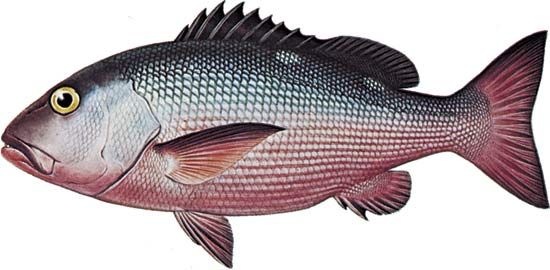
A snapper refers to any of approximately 105 species of fish belonging to the family Lutjanidae. These active, schooling fish are primarily found in tropical waters and are characterized by their elongated bodies, large mouths, sharp canine teeth, and blunt or forked tails. Typically growing between 60 and 90 centimeters (2 to 3 feet), they are carnivores that feed on crustaceans and other fish.1
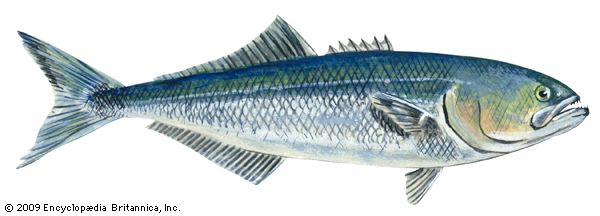
While many snappers are highly valued as food, some species—such as the Atlantic dog snapper—can carry toxins that cause ciguatera poisoning. Notable species include the yellowtail snapper and the red snapper, the latter being a popular food fish found in deep Atlantic waters. Additionally, the bluefish is sometimes colloquially referred to as a snapper, though it belongs to a different family.1
What is ciguatera poisoning?
Ciguatera poisoning is a form of fish poisoning caused by the ingestion of various normally edible tropical fish that have accumulated a toxic substance in their flesh. This toxin, known as ciguatoxin, is believed to originate in marine plants and is passed through the food chain from herbivores to carnivores, eventually reaching humans.45
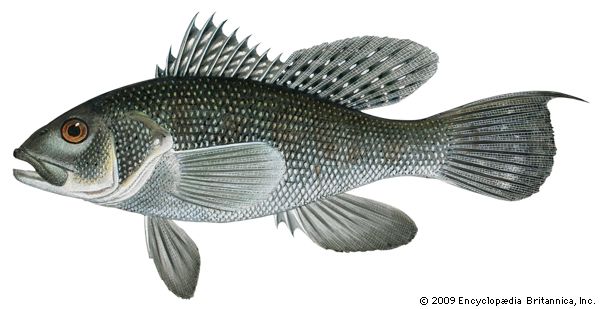
While the exact conditions that cause these fish to become toxic are not fully understood, more than 400 species of tropical reef fish—including common food items like snapper and sea bass—have been implicated in outbreaks.65
Symptoms and Effects
Symptoms of ciguatera poisoning can appear immediately or be delayed for up to 30 hours after consumption. Common clinical signs include:6
- Nausea, vomiting, and diarrhea65
- Muscle pain, weakness, and general itchiness6
- Numbness and tingling, particularly around the lips, tongue, and throat65
- Sensory disturbances, such as the sensation of loose teeth or the reversal of temperature perception (where hot objects feel cold and vice versa, sometimes described as an “electric shock” or “dry ice” sensation)5
While death is rare—occurring in less than 10 percent of cases—it is typically caused by respiratory paralysis.65
How do coral reefs support fish like snappers?
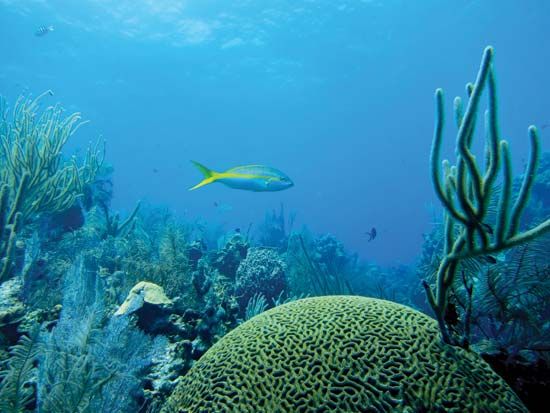
Coral reefs are vital to the survival of snappers and countless other marine species because they function as highly productive, biodiverse ecosystems. Often described as the rainforests of the sea, these reefs provide essential habitats that support approximately 25 percent of all marine life.1
The reef structure itself—built by stony corals and other organisms—creates a complex physical environment full of nooks and crannies. This architecture offers protection from predators and shelter for the crustaceans and smaller fish that snappers, as carnivores, rely on for food. Furthermore, the reef complex supports a robust food web; the constant mixing of water and the presence of phytoplankton and zooplankton ensure a steady supply of nutrients that sustain the entire ecosystem.789
When reefs are healthy, they provide the stability and resources necessary for schooling fish like snappers to thrive. However, environmental stressors that lead to coral bleaching can destroy these habitats, forcing fish to abandon the area as their food sources and protection disappear.1
What are some other types of carnivorous marine fish?
Beyond the snapper, the marine environment hosts a vast array of carnivorous fish that occupy various ecological niches, ranging from the surface to the extreme depths of the ocean.
Apex Predators
Many of the most well-known marine carnivores are apex predators, which sit at the top of the food chain. These include:
- Sharks: Most sharks are carnivorous. Species like the white shark and tiger shark are powerful hunters that consume a wide variety of prey, including other fish, marine mammals, and squid.111213
- Billfishes: These include marlin, which are active, high-speed predators in the open ocean.13
- Tuna: Large, fast-swimming tuna are significant predators that play a key role in marine food webs.1413
Diverse Predatory Strategies
Other carnivorous fish have evolved specialized behaviors to secure food:
- Barracudas and Groupers: These are prominent predatory perciforms. Groupers are known to lie in wait among rocks to ambush their prey.14
- Dolphinfish: Also known as mahi-mahi, these fish use their exceptional speed to hunt fast-moving prey like flying fishes.14
- Deep-Sea Predators: In the darkness of the deep ocean, fish have developed unique adaptations. Anglerfishes use a bioluminescent lure to attract prey, while viperfishes utilize large, fanglike teeth to capture food in their extreme environment.15
Sources
- snapper — Encyclopædia Britannica
- lutjanid — Merriam-Webster
- Lutjanidae — Merriam-Webster
- fish poisoning — Encyclopædia Britannica
- ciguatera — Merriam-Webster
- poison - Animal poisons ( zootoxins ) — Encyclopædia Britannica
- coral reef - Corals and other reef-building organisms — Encyclopædia Britannica
- coral reef - Structure — Encyclopædia Britannica
- Coral Bleaching: A Threat to Our Reefs — Encyclopædia Britannica
- coral reef - Tropical water conditions — Encyclopædia Britannica
- apex predator — Encyclopædia Britannica
- chondrichthyan - Sharks — Encyclopædia Britannica
- perciform - Feeding behaviour — Encyclopædia Britannica
- Marine ecosystem - Nekton — Encyclopædia Britannica
- deep-sea fish — Encyclopædia Britannica
Published on · 3 min read