Bird of Prey
Birds of prey, often called raptors, are apex predators characterized by their hook-tipped beaks and sharp, curved talons used to seize prey. They are…
What are some common examples of birds of prey found around the world?
Birds of prey, often called raptors, are apex predators characterized by their hook-tipped beaks and sharp, curved talons used to seize prey1. They are generally categorized into two groups: diurnal (daytime) and nocturnal (nighttime) hunters.1
Diurnal Birds of Prey
These birds, belonging to the order Falconiformes, include:
- Hawks: A diverse group including “true hawks” like the goshawk and sparrowhawk, as well as buteos (buzzards) such as the red-tailed hawk.2
- Eagles: Known as some of the largest and strongest birds of prey.1
- Falcons: Including the peregrine falcon, gyrfalcon, and merlin3.3
- Vultures and Condors: Scavenging raptors.1
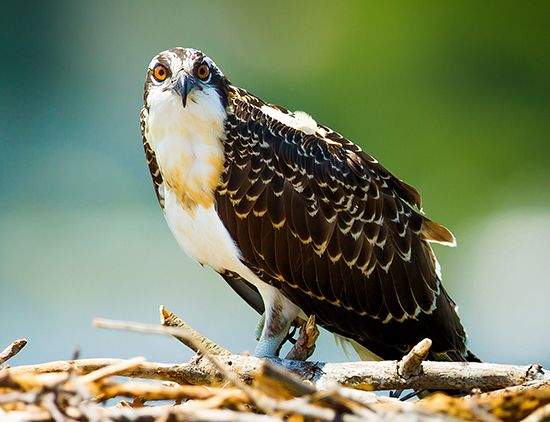
- Osprey: A specialized fish-eating raptor.2
Nocturnal Birds of Prey
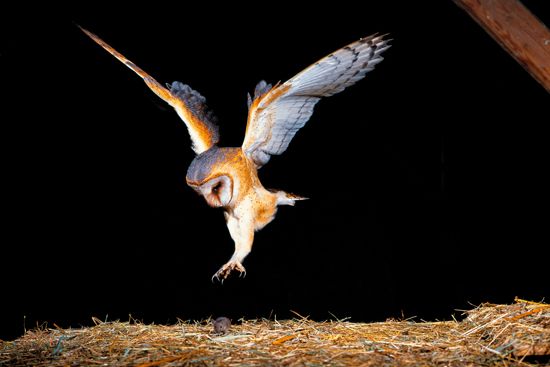
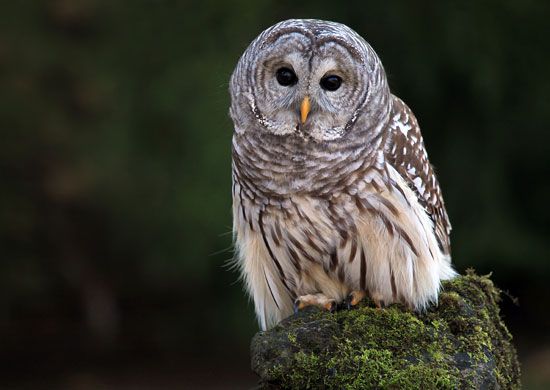
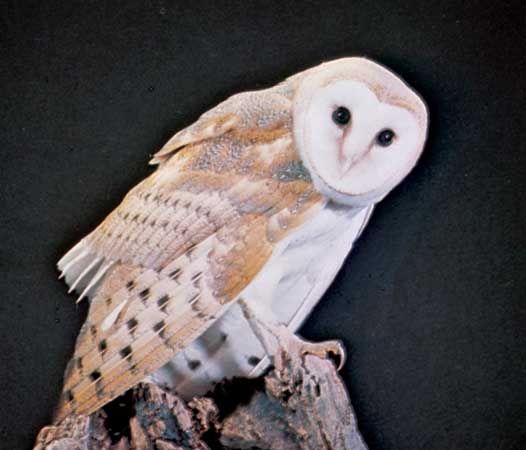
These are the owls (order Strigiformes), which include over 200 species adapted to various habitats. Examples include the barn owl, short-eared owl, and fish owls.14
How have birds of prey been portrayed in various cultures and mythologies throughout history?
Throughout history, birds of prey have held complex and often contradictory roles in human culture and mythology, ranging from symbols of wisdom to harbingers of the occult.
Owls: Wisdom and Darkness
The little owl is perhaps the most iconic avian symbol in Western tradition. Associated with Athena, the Greek goddess of wisdom, and her Roman counterpart Minerva, it has long represented intelligence and practical reason.156
Conversely, the owl’s nocturnal nature and haunting calls have fostered deep-seated superstitions. In many cultures, they have been viewed as symbols of the otherworldly or the occult. During the Middle Ages, the little owl was sometimes used to symbolize the “darkness” of nonbelievers, while the barn owl was frequently regarded as a bird of ill omen and a symbol of disgrace.5
Raptors and Human Fascination
Beyond mythology, the physical prowess of raptors—such as hawks and falcons—has led to a long-standing human fascination, most notably expressed through the ancient sport of falconry. This practice highlights the historical human desire to partner with these apex predators, utilizing their unique hunting skills for sport.7
What impact have human activities, such as pesticide use and habitat destruction, had on bird of prey populations?
Human activities have significantly impacted bird of prey populations through both direct persecution and indirect environmental degradation. Historically, many raptors were indiscriminately killed due to unreasoning prejudice and the unfounded belief that they posed a major threat to livestock or game, leading to local extinctions in some areas.10
The use of persistent agricultural chemicals, particularly chlorinated hydrocarbons like DDT, has had devastating effects. These substances accumulate in the tissues of insects and small animals, moving up the food chain to apex predators. This process caused severe population declines in eagles, hawks, and falcons, prompting widespread restrictions and bans on these chemicals starting in the 1960s and 1970s.11
Furthermore, habitat destruction remains a critical threat, though its effects vary; while some forest-dwelling species may be displaced by agriculture, others adapt to mixed landscapes. Modern hazards also include collisions with infrastructure like buildings, vehicles, and wind turbines, as well as continued exposure to rodenticides and other pesticides.1012
What are the defining characteristics of birds of prey?
Birds of prey, often referred to as raptors, are apex predators that pursue other animals for food. They are classified into two distinct orders: Falconiformes (diurnal birds such as hawks, eagles, vultures, and falcons) and Strigiformes (nocturnal owls).1
Key characteristics include:
- Physical Adaptations: All birds of prey possess hook-tipped beaks and sharp, curved claws known as talons, which serve as their primary tools for killing and feeding. In nonpredatory vultures, these talons are present but atrophied.113
- Specialized Vision: Raptors possess exceptional visual acuity, often up to eight times that of the human eye. They typically feature two foveae (areas of high visual acuity) to facilitate both monocular and binocular vision, allowing them to track moving objects with high precision.14
- Hunting and Feeding: Prey is generally captured with the feet. The structure of these feet varies significantly based on diet, ranging from long, needle-taloned toes for catching birds to thick, heavy-toed structures for paralyzing mammals.13
Sources
- Bird of prey — Encyclopædia Britannica
- owl - Ecology — Encyclopædia Britannica
- Hawk — Encyclopædia Britannica
- falconry - Types of birds used in falconry — Encyclopædia Britannica
- little owl — Encyclopædia Britannica
- owl — Encyclopædia Britannica
- What are the differences between hawks and falcons? — Encyclopædia Britannica
- Athena: Top Questions — Encyclopædia Britannica
- phoenix — Encyclopædia Britannica
- Falconiform - Importance to humans — Encyclopædia Britannica
- insecticide - Environmental contamination and resistance — Encyclopædia Britannica
- Red-tailed hawk — Encyclopædia Britannica
- Falconiform - Feet and beak — Encyclopædia Britannica
- apex predator — Encyclopædia Britannica
- Falconiform - Vision, hearing, and smell — Encyclopædia Britannica
Published on · 3 min read