Bittercress
The name "bittercress" refers to the genus Cardamine, a group of herbs within the mustard family (Brassicaceae). While the specific etymological origin of…
How did bittercress get its name, and are there any other common names for this plant?
The name “bittercress” refers to the genus Cardamine, a group of herbs within the mustard family (Brassicaceae). While the specific etymological origin of the name is not explicitly detailed in the provided records, the term reflects the plant’s classification within a family known for its pungent, often peppery or bitter-tasting foliage.12
These plants are known by several other common names depending on the specific species and regional usage:
- Cuckoo flower or lady’s smock (Cardamine pratensis)1
- Toothwort, pepperwort, or crinklewort (Cardamine diphylla)1
- Bog cress3
Many species formerly classified under the genus Dentaria, such as the cut-leaved toothwort, have been reclassified into the Cardamine genus, further expanding the variety of names associated with these plants.1
What are the defining characteristics of bittercress plants?
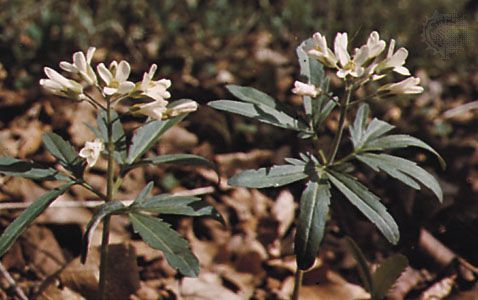
Bittercress plants, belonging to the genus Cardamine, are defined by several distinct botanical characteristics:
- Classification: They are annual or perennial herbs within the mustard family (Brassicaceae), native primarily to northern temperate regions.1
- Flowers: The plants produce terminal clusters of four-petaled flowers, which typically appear in white, pink, or pale purple hues.1
- Fruit: A key identifying feature is the production of dry, flat fruits known as siliques.14
- Chemical Profile: Like many members of the order Brassicales, bittercress contains glucosinolates—sulfur-containing compounds often referred to as mustard oils—which contribute to the plant’s characteristic pungent or bitter taste.52
- Rootstock: Some species, formerly classified under the genus Dentaria, are known as toothworts due to their distinct toothed or scaly rootstocks.1
- Growth Habit: These plants are found in various environments, including moist woods, and exhibit diverse leaf structures ranging from simple leaflets to deeply cut, toothed segments.1
How many species of bittercress exist, and what are some notable examples?
The genus Cardamine, commonly known as bittercress, is a large and diverse group of annual or perennial herbs within the mustard family. While the exact number of species is not specified in the provided data, the genus is recognized as a large, widespread group native to northern temperate regions.16
Notable examples of bittercress include:
- Lady’s smock (or cuckoo flower, Cardamine pratensis): A low-growing plant often cultivated in bog gardens for its ornamental white to rose-colored flowers.17
- Hairy bittercress (C. hirsuta) and narrowleaf bittercress (C. impatiens): Species that are frequently categorized as invasive species when found outside of their native ranges.1
- Toothworts: Formerly classified under the genus Dentaria, these include species like the cut-leaved toothwort (C. concatenata) and the toothwort (C. diphylla), which is also known as pepperwort or crinklewort.1
Where are bittercress plants commonly found in nature?
Bittercress plants (Cardamine) are primarily native to northern temperate regions of the world. Within these areas, they occupy a variety of habitats depending on the specific species:1
- Moist Environments: Many species, particularly those formerly classified as toothworts, are commonly found in moist woods.1
- Gardens and Landscapes: Some varieties, such as the lady’s smock, are frequently cultivated in bog gardens for their ornamental value.1
- Disturbed Areas: Certain species, including hairy bittercress (C. hirsuta) and narrowleaf bittercress (C. impatiens), have spread beyond their native ranges to become invasive species, often appearing in disturbed soils, lawns, and gardens.1
Sources
- bittercress — Encyclopædia Britannica
- bitter cress — Merriam-Webster
- bog cress — Merriam-Webster
- Brassicales - Brassicaceae , Capparaceae, and Cleomaceae — Encyclopædia Britannica
- Brassicales — Encyclopædia Britannica
- cardamine — Merriam-Webster
- cress — Encyclopædia Britannica
Published on · 2 min read