Brassicales
Plants in the Brassicales order defend themselves primarily through the production of glucosinolates, which are sulfur-containing compounds also known as…
How are plants in the Brassicales order adapted to defend themselves against pests?
Plants in the Brassicales order defend themselves primarily through the production of glucosinolates, which are sulfur-containing compounds also known as mustard oils. These chemicals are present in nearly every member of the order and serve as a chemical defense mechanism capable of deterring a wide range of threats, from bacteria to mammals.12
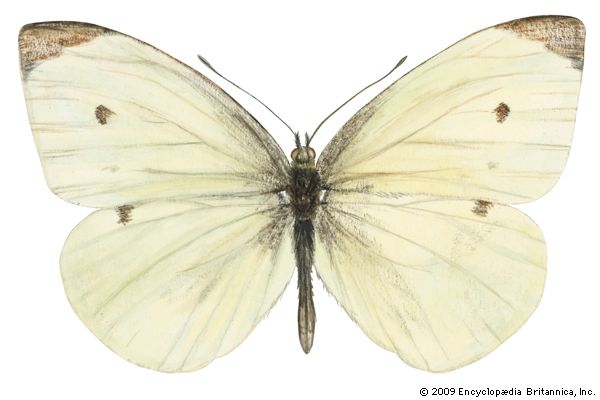
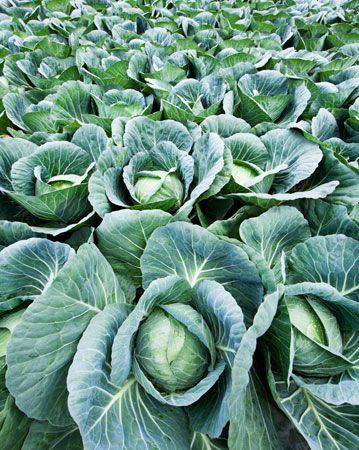
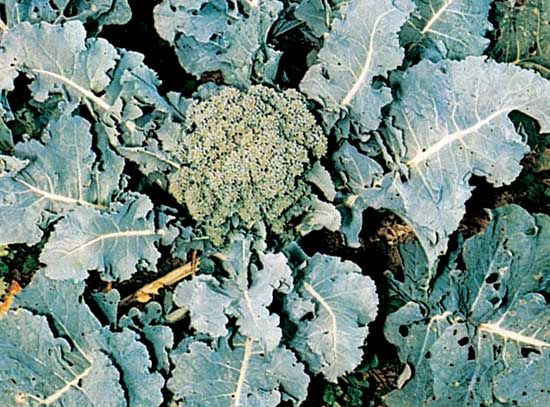
While these compounds are effective against many herbivores, they can paradoxically act as an attractant for certain specialized pests. For instance, butterflies of the genus Pieris—including cabbage whites and orange tips—are specifically drawn to members of the Brassicaceae family, where they can become significant pests for cultivated crops like cabbage and broccoli.12
Interestingly, the effectiveness of these defenses varies across the order; while Brassicaceae is frequently targeted by pests such as dermestid beetles, other families within the order, such as Resedaceae, remain largely pest-free.1
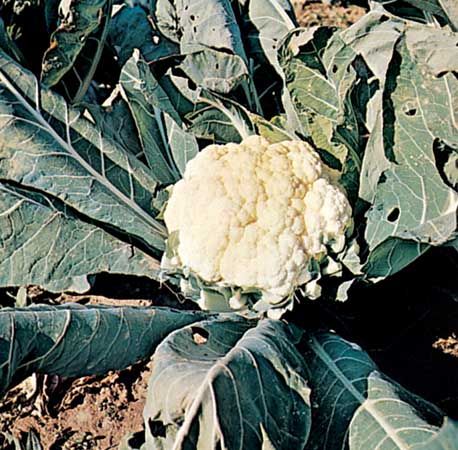
How have humans selectively bred Brassicales plants to create diverse cultivars?
Humans have utilized plant breeding for centuries to transform wild progenitors into the diverse array of Brassicales cultivars we recognize today. By consistently selecting seeds from plants that exhibited desirable traits—such as specific growth habits or edible structures—early agriculturalists achieved remarkable evolutionary transformations in a relatively short period.4
A primary example of this selective process is the species Brassica oleracea. Through long-term cultivation, humans have developed various forms by focusing on different plant parts:
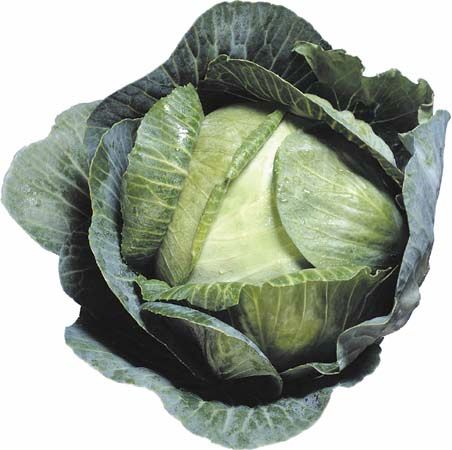
- Leaves: Selection for loose foliage resulted in kale and collards, while selection for compact heads produced cabbage and Brussels sprouts.5
- Flowers and Stalks: Breeders modified flower development to create broccoli and the thickened, modified structures of cauliflower.5
- Stems: Selection for bulbous growth led to the development of kohlrabi.5
These methods, ranging from simple observation to the later application of Mendelian genetics, have allowed humans to tap into the vast genetic variability of the Brassicaceae family to suit agricultural and culinary needs.46
What are some unique floral structures found in certain Brassicales families?
Members of the Brassicales order exhibit diverse and often specialized floral structures that deviate from the standard arrangement found in many other rosids. While many species feature racemose inflorescences, the specific morphology of their flowers varies significantly across families.1
Notable Floral Characteristics
- Nectary Placement: In many Brassicales, nectaries are uniquely positioned between the petals and the stamens, rather than the more common location between the stamens and the ovary.1
- Brassicaceae: This family typically features flowers with four sepals and four petals. The stamens are generally as long as the petals, and the nectary often forms a flap or ring outside the stamens.8
- Resedaceae: These flowers are zygomorphic (bilaterally symmetrical) with unequal petals. The largest petals often possess fringed appendages on their backs, and the nectary disc is particularly developed on the upper portion of the flower.9
- Pentadiplandraceae: This family displays a unique structure where the expanded bases of the petals are concave and coherent, creating a cavity, while the petal lobes remain thin and free.9
What are the main characteristics of plants in the Brassicales order?
The Brassicales order is a distinct group of flowering plants comprising 17 families, including well-known examples like cabbages, mustard, capers, and nasturtiums.1
Key Characteristics
- Chemical Defense: A defining feature of nearly all members is the presence of glucosinolates, or mustard oils. These sulfur-containing compounds provide the plants with their characteristic pungent smell and taste, serving as a defense mechanism against bacteria, mammals, and various herbivores.12
- Floral Morphology: Unlike many other rosids, Brassicales flowers often deviate from standard structural arrangements. A common unique trait is the placement of the nectary between the petals and the stamens, rather than between the stamens and the ovary.1
- Anatomy: Most species possess racemose inflorescences and leaves with small stipules. Additionally, the presence of green embryos is a common feature across the order.1
- Diversity: The order includes a wide range of growth forms, from the economically significant Brassicaceae family—known for its cruciform flowers and dry, podlike fruits—to diverse families like Resedaceae and Caricaceae.12
Sources
- Brassicales — Encyclopædia Britannica
- Brassicaceae — Encyclopædia Britannica
- Chemoreception - Defensive tastes — Encyclopædia Britannica
- brassica — Encyclopædia Britannica
- Cabbage — Encyclopædia Britannica
- Plant breeding - History — Encyclopædia Britannica
- Plant breeding - Pure-line selection — Encyclopædia Britannica
- Brassicales - Brassicaceae , Capparaceae, and Cleomaceae — Encyclopædia Britannica
- Brassicales - The Resedaceae group — Encyclopædia Britannica
- Resedaceae — Merriam-Webster
- angiosperm - The receptacle — Encyclopædia Britannica
- angiosperm - General features — Encyclopædia Britannica
Published on · 3 min read