White Butterfly
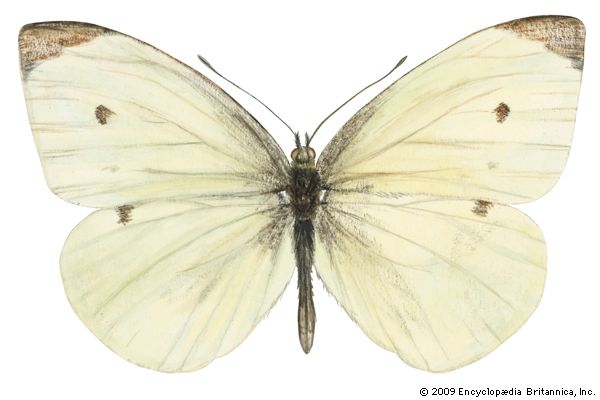
White butterflies, which belong to the subfamily Pierinae within the family Pieridae, are primarily characterized by their white wings featuring black…
What are the distinguishing features of white butterflies?
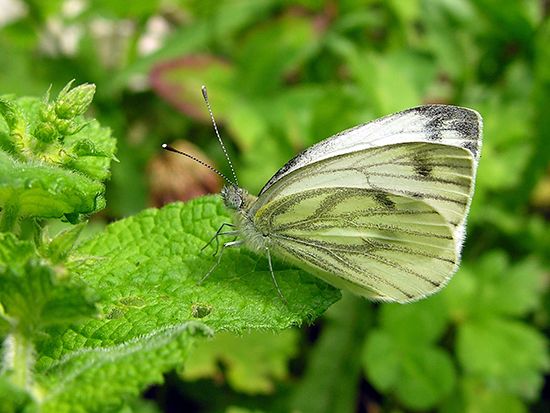
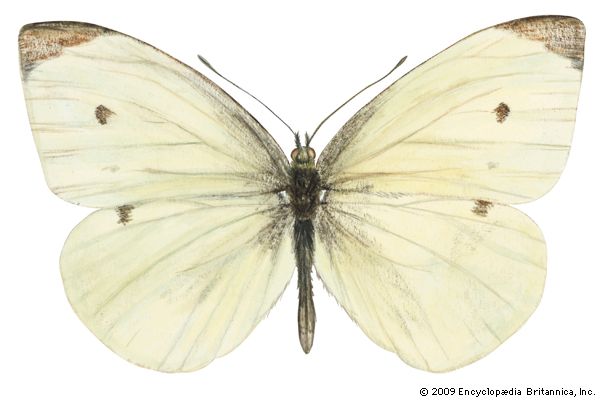
White butterflies, which belong to the subfamily Pierinae within the family Pieridae, are primarily characterized by their white wings featuring black marginal markings. These insects typically have a wingspan ranging from 37 to 63 mm (1.5 to 2.5 inches).1
Key features and characteristics include:
- Appearance: While named for their white coloration, many species exhibit sexual seasonal dimorphism in both pattern and color.1
- Larvae: The larvae are often slender, green, and sometimes covered with a short down or pile. Many are considered economic pests, particularly those that feed on cabbage and related plants, such as the European cabbage butterfly.12
- Pupation: Their pupae are typically attached to twigs by a posterior spine and secured by a girdle of silk.1
- Diversity: The group includes various species such as the large cabbage white (P. brassicae), which features a black band on the wing tips, and the Indian cabbage white (P. canidia), which may have pale yellowish or greenish undersides.2
What are some common species of white butterflies found around the world?
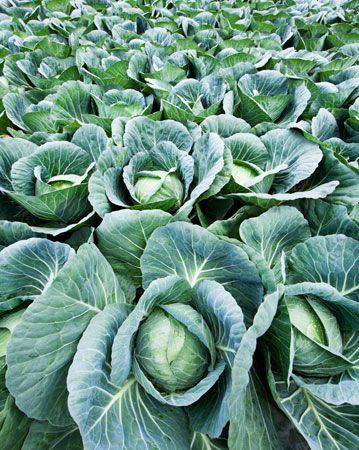
Several species of white butterflies are found globally, many of which are recognized for their impact on agriculture. These butterflies belong to the subfamily Pierinae and are often referred to as cabbage whites due to their larvae’s tendency to feed on plants in the mustard family (Brassicaceae).
Common species include:
- European cabbage butterfly (Pieris rapae): Also known as the small cabbage white, this species is one of the most common white butterflies in North America, having been introduced there around 1860. It features white or cream-colored wings with small black dots.16
- Large cabbage white (Pieris brassicae): Found throughout Europe, Asia, and North Africa, this species is distinguished by large black spots and a prominent black band on the tips of its white wings.6
- Indian cabbage white (Pieris canidia): Native to south and southeast Asia, including India and Nepal, this butterfly has white to cream wings with black-tipped forewings. Its undersides are characterized by a pale yellowish or greenish hue with faint speckling.6
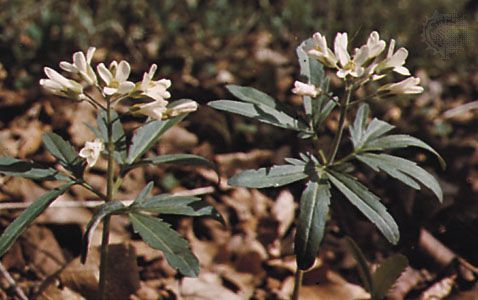
- Mustard white (Pieris oleracea): A related species that feeds primarily on plants such as bittercress and rock cress.6
What is the life cycle of a typical white butterfly?
The life cycle of a typical white butterfly, like all members of the order Lepidoptera, consists of four distinct stages: egg, larva (caterpillar), pupa (chrysalis), and adult (imago).8
- Egg: The cycle begins when an adult female lays eggs on a host plant, which the larvae will later consume.8
- Larva: The caterpillar is the primary feeding stage. White butterfly larvae are typically slender, green, and often covered with a short down or pile. As they grow, they undergo a process called ecdysis, where they molt their exoskeleton four or five times.91
- Pupa: When fully grown, the larva stops eating and prepares to pupate. For white butterflies, the pupa is attached to a twig by a posterior spine and secured by a girdle of silk.9
- Adult: After metamorphosis, the adult butterfly emerges. Adults are characterized by their white wings with black marginal markings and are active during the day.89
How do white butterflies impact agriculture, and are they considered pests?
White butterflies, particularly those in the subfamily Pierinae, are widely considered to be major economic pests in agriculture. Their larvae, often called cabbage worms, feed voraciously on cabbage and other crops within the mustard family (Brassicaceae), such as broccoli and kale. In many regions, these infestations can locally decimate entire harvests.61
To manage these pests, farmers primarily rely on insecticides. However, this approach faces significant challenges:6
- Resistance: Many populations of white butterflies have developed increasing resistance to common agrochemicals, including chlorinated hydrocarbons, organic phosphates, and carbamates.612
- Environmental Impact: The use of persistent chemicals can have adverse effects on beneficial insects, wildlife, and water sources.12
- Management Strategies: To mitigate these risks, agricultural practices are shifting toward safer, more targeted applications, such as systemic chemicals that protect the plant from within or the use of granular formulations to reduce environmental exposure.12
Sources
- white butterfly — Encyclopædia Britannica
- List of insects - butterflies and moths (order Lepidoptera ) — Encyclopædia Britannica
- What’s the difference between moths and butterflies? — Encyclopædia Britannica
- list of butterflies and moths — Encyclopædia Britannica
- brush-footed butterfly — Encyclopædia Britannica
- cabbage white — Encyclopædia Britannica
- imported cabbage worm — Merriam-Webster
- Monarch butterfly - Life cycle — Encyclopædia Britannica
- butterfly — Encyclopædia Britannica
- Lepidoptera - Larva, or caterpillar — Encyclopædia Britannica
- milkweed butterfly — Encyclopædia Britannica
- Agricultural technology - Chemical control of insects — Encyclopædia Britannica
Published on · 3 min read