Bloodroot
The bloodroot (Sanguinaria canadensis), a plant native to North America, is historically significant for its vibrant orange-red sap found within its rhizomes.
How has bloodroot been used in art and dye-making throughout history?
The bloodroot (Sanguinaria canadensis), a plant native to North America, is historically significant for its vibrant orange-red sap found within its rhizomes.1
This distinctively colored sap was traditionally utilized by Native Americans as a dye. Due to this application, the plant is sometimes referred to as “Indian paint,” a name that reflects its historical role as a source of pigment. While the plant has been used for these purposes, it is important to note that bloodroot is considered toxic and contains the alkaloid sanguinarine. Because of its historical popularity and unfounded claims regarding its use as a cancer treatment, wild populations have faced significant depletion due to overcollection.12
How is bloodroot used in modern medicine and what are its potential benefits?
It is important to clarify that while bloodroot (Sanguinaria canadensis) contains the alkaloid sanguinarine, it is considered a toxic plant. There is no scientific consensus supporting its use as a safe or effective modern medicine.
In fact, the promotion of bloodroot as a treatment for cancer is based on unfounded claims. The medical community generally advises against the use of such substances due to their toxicity and lack of clinical validation. Furthermore, the practice of harvesting the plant for these unproven herbal remedies has led to the significant depletion of wild populations throughout much of its native range in North America.1
Ethical medical practice requires that treatments be grounded in rigorous scientific evidence to ensure patient safety and efficacy; relying on unverified herbal substances poses serious health risks.
What is bloodroot and where is it typically found?
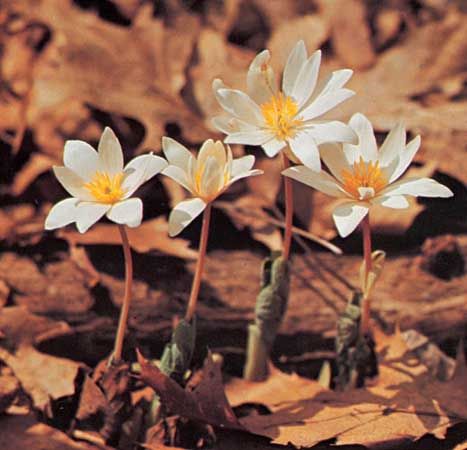
Bloodroot (Sanguinaria canadensis) is a plant belonging to the poppy family. It is characterized by a solitary, white, eight-petaled flower that blooms in early spring, accompanied by a large, veiny, blue-green leaf.13
The plant is native to eastern and midwestern North America, where it is typically found growing in deciduous woodlands. It is named for the vibrant orange-red sap found within its rhizomes. While sometimes cultivated as an ornamental, wild populations have been significantly depleted due to overcollection for use in unproven herbal remedies.13
How did bloodroot get its name, and what are its distinctive features?
Bloodroot (Sanguinaria canadensis) derives its common name from the vibrant orange-red sap found within its rhizomes, which also feature a distinctively red color.143
The plant possesses several unique physical characteristics:
- Flower: It produces a solitary, cup-shaped white flower with eight petals and bright yellow stamens, typically blooming in early spring on a reddish stalk.1
- Foliage: A large, veiny, half-opened leaf initially enfolds the flower stem. Once the flower blooms, this leaf expands into a rounded, lobed, blue-green form.1
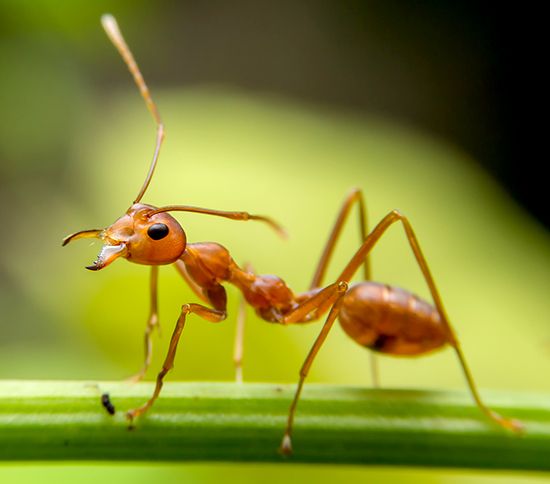
- Seed Dispersal: The seeds are equipped with fleshy structures called elaiosomes, which are specifically adapted to attract ants to assist in seed dispersal.1
Historically, the red sap was utilized by Native Americans as a dye. While the plant is a member of the poppy family, it is important to note that it is considered toxic and should not be used for medicinal purposes.1
Sources
- bloodroot — Encyclopædia Britannica
- Indian paint — Merriam-Webster
- 7 Especially Fitting Common Names for Plants | Bloodroot — Merriam-Webster
- bloodroot — Merriam-Webster
Published on · 2 min read