Bleeding Heart
The term "bleeding heart" refers to several species of plants in the poppy family, specifically those within the genus Dicentra or the species Lamprocapnos…
What is bleeding heart?
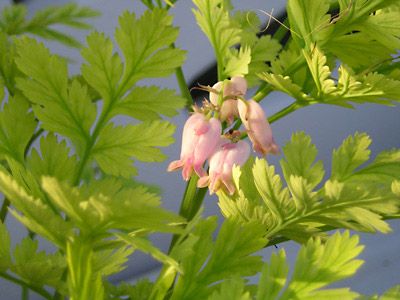
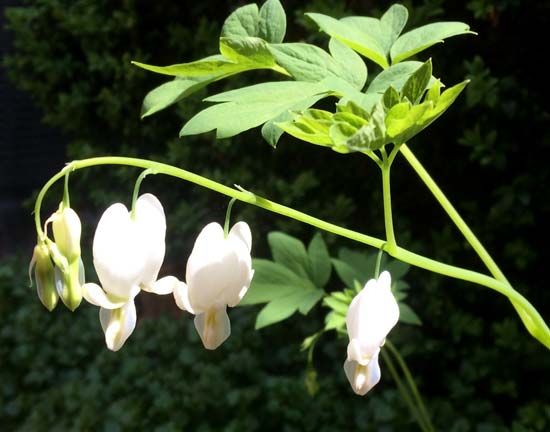
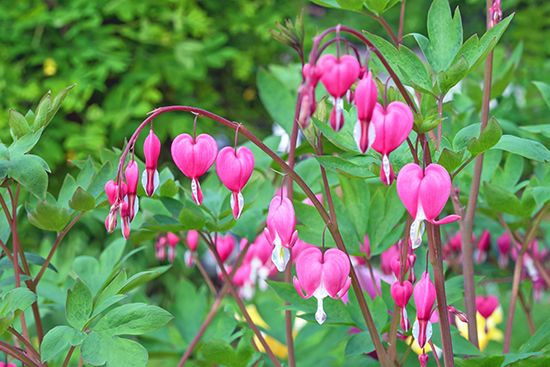
The term “bleeding heart” refers to several species of plants in the poppy family, specifically those within the genus Dicentra or the species Lamprocapnos spectabilis. These plants are popular shade-garden ornamentals native to temperate woodlands in North America and eastern Asia.1
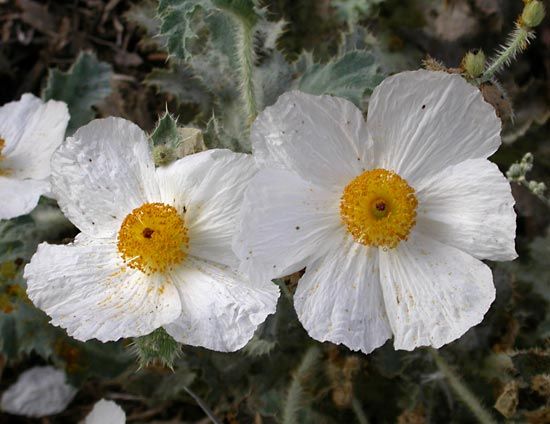
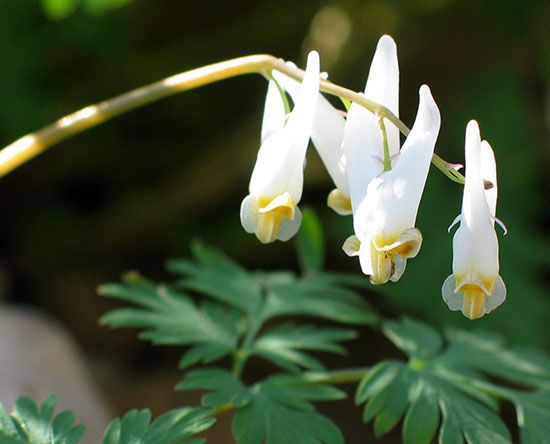
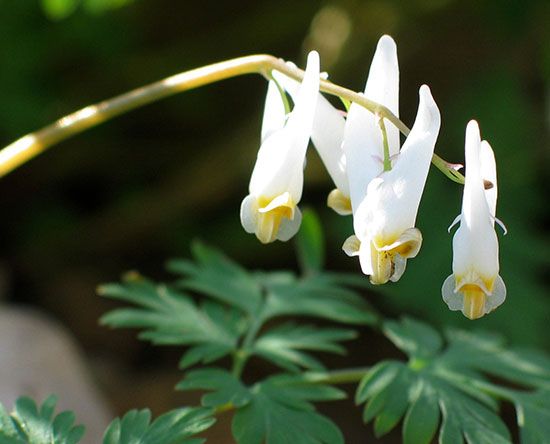
The most well-known variety is the Asian bleeding heart, recognized for its arching stems and heart-shaped flowers. Other notable species include the wild bleeding heart (D. eximia) of the Allegheny Mountains, the Pacific bleeding heart found from California to British Columbia, and Dutchman’s breeches.1
It is important to note that all parts of these plants are poisonous if ingested, and they should be handled with care.1
What other plants belong to the poppy family?
The poppy family, Papaveraceae, is a diverse group of flowering plants comprising 48 genera and over 2,200 species. While many are popular garden ornamentals, the family also includes plants of significant pharmaceutical importance.23
Below are some of the major genera and species within the family:
- Poppies: The genus Papaver includes the opium poppy (P. somniferum), known for its edible seeds and as a source of morphine, codeine, and heroin. Other notable varieties include the corn poppy, Iceland poppy, and Oriental poppy.43
- Ornamental Genera:
- Dicentra: Includes the bleeding heart, Dutchman’s breeches, and squirrel corn.21
- Eschscholzia: Best known for the California poppy known for the California poppy.4
- Meconopsis: Includes the Welsh poppy.43
- Sanguinaria: Known as bloodroot.23
- Chelidonium: Includes the greater celandine.23
- Romneya coulteri: The Matilija poppy.43
- Macleaya: Known as plume poppies.43
- Hunnemannia: The Mexican tulip poppy.23
- Dendromecon: The tree poppy.23
- Argemone: The prickly poppy.23
- Glaucium: The horned poppy.23
- Platystemon: Known as creamcups.23
How do bleeding heart plants adapt to shade environments?
Bleeding heart plants are naturally adapted to shade environments because they originate from temperate woodlands in North America and eastern Asia. In these native habitats, they have evolved to thrive under the canopy of trees, where they receive filtered or indirect sunlight rather than direct exposure.1
Their growth cycle is specifically suited to these conditions. Many species, such as the Pacific bleeding heart and Dutchman’s breeches, are adapted to the forest floor, where they take advantage of the light available before the tree canopy fully leafs out in the spring. This allows them to complete their flowering and growth phases before the forest becomes too shaded during the summer months. Their delicate, deeply cut leaves are also efficient at capturing the limited light available in these woodland settings.1
What are the dangers of ingesting toxic garden plants?
Ingesting toxic garden plants can lead to severe health consequences, as many common ornamentals contain biologically active compounds known as phytotoxins. These substances—which include alkaloids, glycosides, oxalates, and toxalbumins—can cause a wide range of physiological reactions depending on the plant and the amount ingested.6
Common Toxic Effects
The severity of poisoning varies significantly, but common symptoms of ingesting toxic plants include:
- Gastrointestinal Distress: Nausea, vomiting, diarrhea, and abdominal pain are frequent initial symptoms.6
- Neurological Impairment: Many toxins affect the central nervous system, leading to dizziness, mental confusion, convulsions, paralysis, or coma.6
- Cardiovascular Issues: Certain plants, such as foxglove or lily of the valley, contain cardiac toxins that can cause irregular heartbeats and heart failure.64
- Organ Damage: Some plants, like true lilies, can cause acute kidney failure, particularly in animals.4
High-Risk Plants
Several plants commonly found in gardens are highly dangerous if consumed:
- Castor bean (Ricinus communis): Contains ricin, one of the most toxic substances known, which can be fatal even in small amounts.6
- Water hemlock (Cicuta maculata): Considered one of the most poisonous plants, it causes severe respiratory distress and convulsions.6
- Belladonna (Atropa belladonna): Contains potent alkaloids that can lead to coma and death.6
- Dumbcane (Dieffenbachia seguine): Causes painful swelling and irritation of the mouth and throat.6
Sources
- bleeding heart — Encyclopædia Britannica
- list of plants in the family Papaveraceae — Encyclopædia Britannica
- poppy — Encyclopædia Britannica
- Papaveraceae — Encyclopædia Britannica
- 7 Especially Fitting Common Names for Plants | Bleeding Heart — Merriam-Webster
- poison - Plant poisons (phytotoxins) — Encyclopædia Britannica
- Ranunculales — Encyclopædia Britannica
- Why Are Lilies Toxic to Cats? — Encyclopædia Britannica
Published on · 3 min read