Papaveraceae
The Papaveraceae family, commonly known as the poppy family, consists of approximately 48 genera and 2,220 species of flowering plants. While primarily…
What are the main characteristics of plants in the Papaveraceae family?
The Papaveraceae family, commonly known as the poppy family, consists of approximately 48 genera and 2,220 species of flowering plants. While primarily composed of herbaceous plants, the family also includes some woody shrubs and small tropical trees.12
Key characteristics of the family include:
- Flowers: Most members feature bisexual, dish-shaped flowers that are often large and nodding in the bud. They typically possess 4 to 12 separate, often crinkled petals and numerous stamens.12
- Sap: Many species are distinguished by their colored or milky latex sap, which circulates in specialized tubes within the plant.134
- Foliage: The leaves are generally deeply cut, lobed, or divided into leaflets.14
- Fruit: The reproductive structure is typically a spherical or linear capsule. In many species, such as the opium poppy, seeds are dispersed through pores at the top of the capsule when the plant is shaken by the wind.124
Which important plants belong to the Papaveraceae family, and what are their uses?
The Papaveraceae family, or poppy family, is highly regarded for its diverse ornamental species and its significant pharmaceutical contributions.1
Important Plants and Their Uses
- Opium Poppy (Papaver somniferum): This is the most commercially and culturally significant member of the family. Its unripe seed capsules exude a milky latex that serves as the source of opium and its derivatives, including morphine, codeine, and heroin. While these alkaloids are indispensable in modern medicine for pain relief and cough suppression, they are also highly addictive and have fueled a global opioid crisis. Additionally, the plant’s ripe, nonnarcotic poppy seeds are widely used as a culinary condiment, for oil, and in birdseed.1567
- Ornamental Genera: Many members of the family are grown for their aesthetic value. Notable examples include:
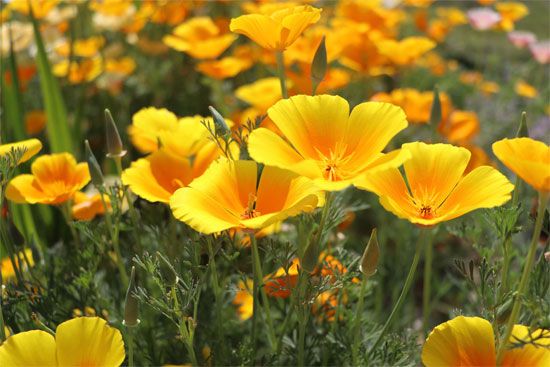
- California Poppy (Eschscholzia californica): Known for its brilliant orange flowers.5
- Bleeding Heart (Dicentra): Valued for its unique, pouch-like flowers.4
- Bloodroot (Sanguinaria): A popular garden perennial.14
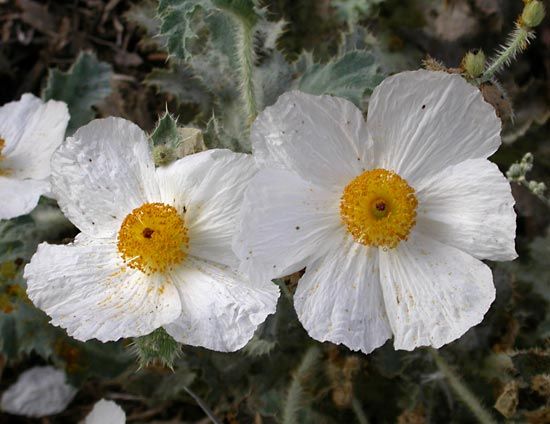
- Matilija Poppy (Romneya coulteri): Prized for its large, fragrant white flowers.5
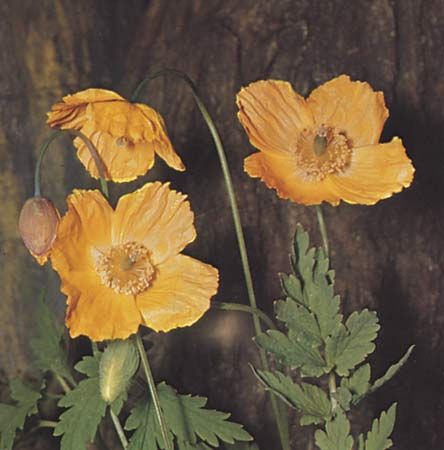
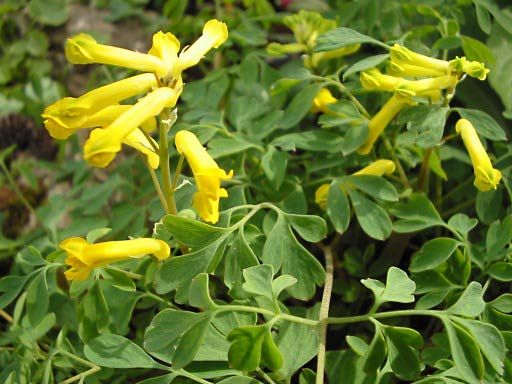
- Other genera: Including Corydalis, Meconopsis, Celandine, and plumed poppy (Macleaya).15
Are there any endangered species within the Papaveraceae family?
What are the subfamilies within the Papaveraceae family, and how do they differ?
The Papaveraceae family, commonly known as the poppy family, is categorized into distinct groups based on their floral structure and physical characteristics. While historical classifications sometimes treated certain groups as separate families, they are now generally organized within the Papaveraceae framework.1
Subfamilies and Distinctions
- Papaveroideae: This group is characterized by bisexual, regular, dish-shaped flowers. These plants typically feature large, often nodding buds and flowers with a single superior pistil and numerous stamens. Their fruit is typically a spherical or linear capsule, and their leaves are often deeply divided.1
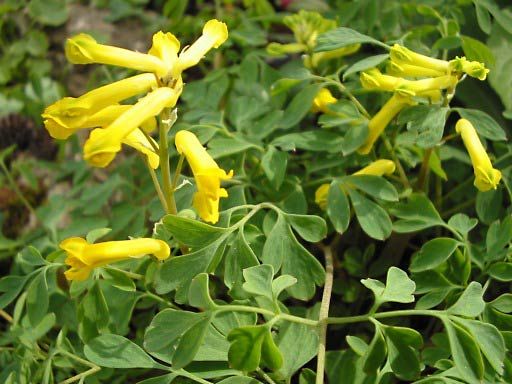
- Fumarioideae: Formerly classified as the separate family Fumariaceae, this group is distinguished by bilaterally symmetrical flowers featuring two dissimilar pairs of petals. Unlike the Papaveroideae, many species in this group possess rhizomes or tubers, and their leaves are often finely divided or compound.19
- Chelidonieae: This group comprises both annual and perennial plants. They are primarily identified by the presence of colored latex—specifically yellow, orange, or red—found within their stems.1
Sources
- Papaveraceae — Encyclopædia Britannica
- list of plants in the family Papaveraceae — Encyclopædia Britannica
- latex — Encyclopædia Britannica
- poppy — Encyclopædia Britannica
- opium - History of opium — Encyclopædia Britannica
- Ranunculales — Encyclopædia Britannica
- 9 Mind-Altering Plants - Opium poppy ( Papaver somniferum ) — Encyclopædia Britannica
- opium poppy — Encyclopædia Britannica
- Fumariaceae — Merriam-Webster
Published on · 3 min read