Blow Fly
The life cycle of a blow fly follows a pattern of complete metamorphosis, consisting of four distinct stages: egg, larva, pupa, and adult.
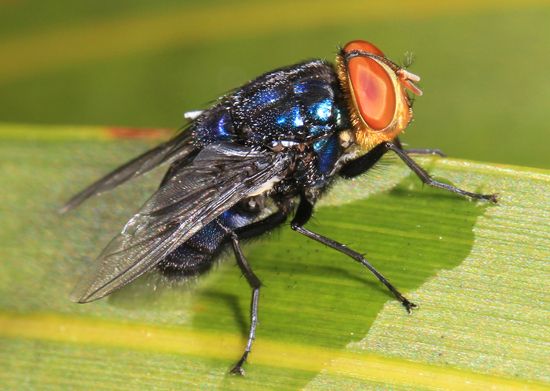
What is the life cycle of a blow fly, and how long does each stage typically last?
The life cycle of a blow fly follows a pattern of complete metamorphosis, consisting of four distinct stages: egg, larva, pupa, and adult.123
- Egg: Adult females instinctively deposit eggs in masses within decaying organic material, such as carrion or open wounds. These eggs typically hatch into larvae after a few hours or several days.45
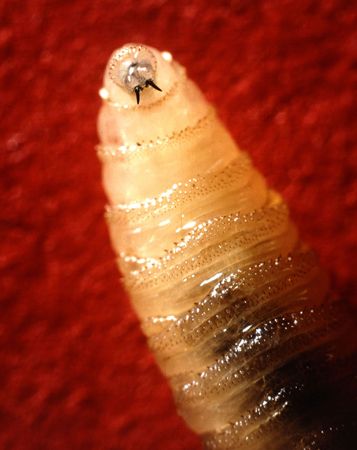
- Larva: Known as maggots, the larvae feed voraciously on decaying matter. They undergo a series of molts as they grow. When they reach maturity, they typically burrow into the soil to pupate.6534
- Pupa: This is an inactive, nonfeeding stage where the insect undergoes a dramatic transformation. During this time, larval tissues are broken down and adult structures, such as wings, are developed.2
- Adult: Once the transformation is complete, the adult fly emerges. The adult stage is primarily focused on reproduction and dispersal.51
While the specific duration of each stage can vary based on environmental conditions, the entire process allows blow flies to rapidly colonize resources. Would you like to explore how forensic scientists use these life stages to estimate the time of death?5
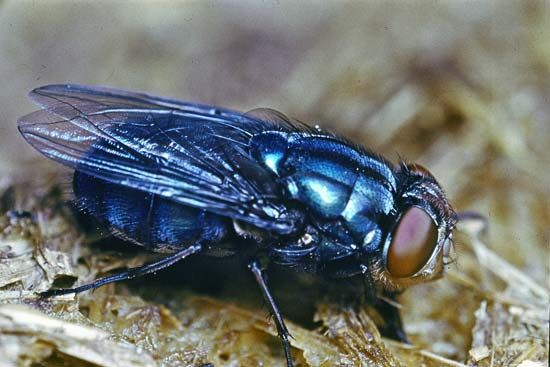
How have blow flies been used in medical treatments throughout history?
While some blow fly species are known to cause myiasis—an infestation of living tissue that can lead to serious infection—certain species are used in a medical practice known as maggot debridement therapy.869
In this controlled medical application, maggots are raised in sterile laboratory conditions and introduced to a patient’s open wounds. Because these larvae feed exclusively on necrotic (dead) tissue and foreign matter, they effectively clean the wound, remove rotted flesh, and leave healthy tissue intact. Furthermore, these maggots can help prevent infection by cleaning the area and producing allantoin, a substance with antibacterial properties.6109
This therapy has been recognized globally for its efficacy in promoting wound healing, with more than 2,000 centers utilizing the practice in the early 2000s. It is important to distinguish this controlled, sterile medical procedure from the harmful, accidental infestations caused by wild blow fly larvae.69108
How do blow flies play a role in forensic investigations?
Blow flies are essential to forensic entomology, a field that uses insect activity to assist in death investigations. Because blow flies are often the first insects to arrive at a corpse, their presence and developmental stages provide critical evidence for estimating the postmortem interval (the time elapsed since death).116
Forensic entomologists analyze the insect population inhabiting a body to determine the time of death, relying on the following principles:
- Succession Patterns: Different insect species colonize a body in a predictable sequence as it progresses through various stages of decay, from the newly dead to mummification.118
- Life Cycle Assessment: By identifying the specific life stage (egg, larva, or pupa) of the blow flies present, experts can calculate how long the insects have been feeding on the remains.6
- Environmental Factors: Accurate analysis requires considering variables such as temperature, humidity, moisture, and burial conditions, all of which influence the rate of insect development and decomposition.11
In some cases, blow flies can even provide evidence of poisoning; if a body has decayed significantly, insects that ingested the remains may serve as the only remaining source of toxicological data.11
How do blow flies impact human and animal health?
Blow flies (family Calliphoridae) impact human and animal health primarily through the mechanical transmission of pathogens and the infestation of living tissue, a condition known as myiasis.812
Mechanical Transmission of Disease
Blow flies frequently land on decaying matter, feces, and animal carcasses, where they pick up various bacteria, viruses, and parasites on their bodies. When these flies subsequently land on human food, open wounds, or surfaces, they can deposit these pathogens, potentially spreading gastrointestinal illnesses caused by organisms such as E. coli, Salmonella, and [Shigella].8
Myiasis and Tissue Infestation
Myiasis occurs when fly larvae develop within the living tissue of humans or animals. This can lead to serious infections and extensive tissue damage.89
- Obligatory Myiasis: Certain species, such as the New World screwworm fly and the Old World screwworm fly, require a live host to develop. These infestations can be fatal to animals within days or weeks.810
- Facultative Myiasis: Other species, like the greenbottle fly (Lucilia sericata), can develop in either living or dead hosts. In livestock, such as sheep, this infestation is known as “sheep-strike” and causes significant health deterioration and economic damage.8129
Sources
- Diptera - Eggs — Encyclopædia Britannica
- Diptera - Larvae — Encyclopædia Britannica
- Diptera - General features — Encyclopædia Britannica
- Metamorphosis — Encyclopædia Britannica
- insect - Types of metamorphosis — Encyclopædia Britannica
- blow fly — Encyclopædia Britannica
- caddisfly - Annotated classification — Encyclopædia Britannica
- Do blow flies spread disease? — Encyclopædia Britannica
- maggot — Encyclopædia Britannica
- blow fly: Top Questions — Encyclopædia Britannica
- forensic science - Forensic entomology — Encyclopædia Britannica
- insect - Medical significance — Encyclopædia Britannica
Published on · 4 min read