Blue Penguin
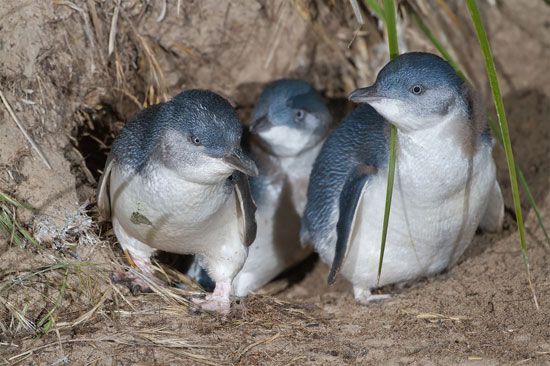
The blue penguin, also known as the little or fairy penguin, is scientifically classified as Eudyptula minor. It belongs to the order Sphenisciformes and is…
What is the scientific name and classification of the blue penguin?
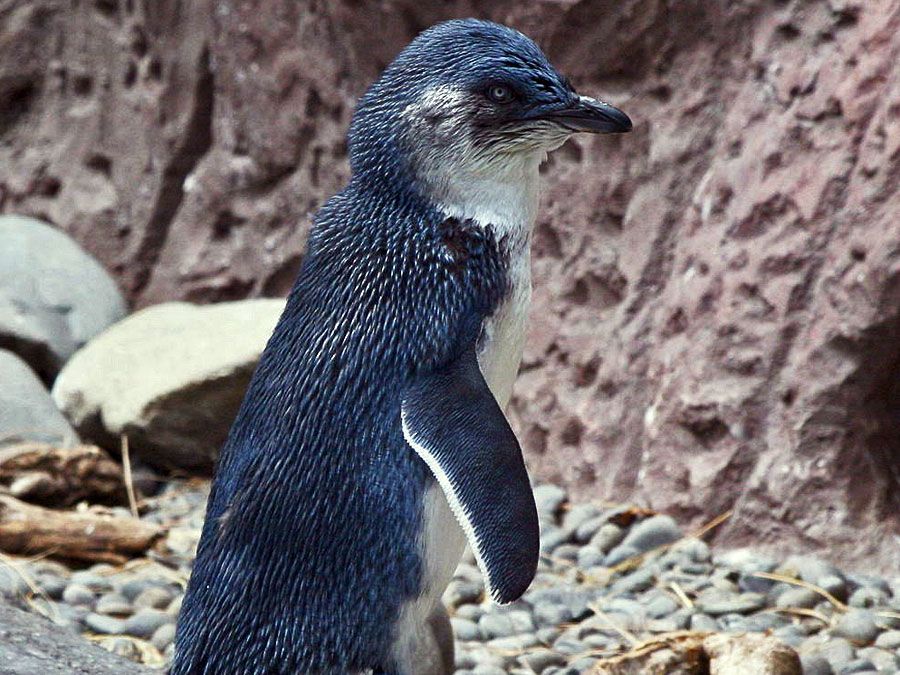
The blue penguin, also known as the little or fairy penguin, is scientifically classified as Eudyptula minor. It belongs to the order Sphenisciformes and is the only species within the genus Eudyptula.12
While traditionally recognized as a single species with six subspecies, the classification of the blue penguin is currently a subject of scientific debate. Research conducted in the 2010s identified skeletal and genetic differences between the Australian lineage and New Zealand populations. Consequently, some researchers have proposed elevating the Australian little penguin to a distinct species, E. novaehollandiae, though this change is not universally accepted due to the need for further evidence regarding morphological and ecological distinctions.13
The species is currently listed as being of least concern on the IUCN Red List of Threatened Species.1
What is the diet and feeding behavior of blue penguins?
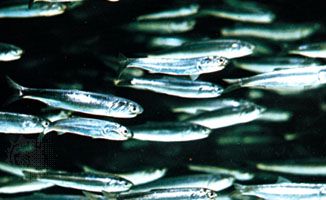
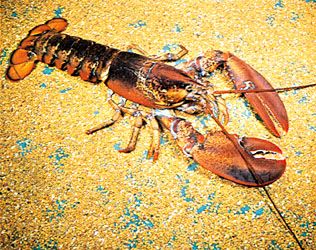
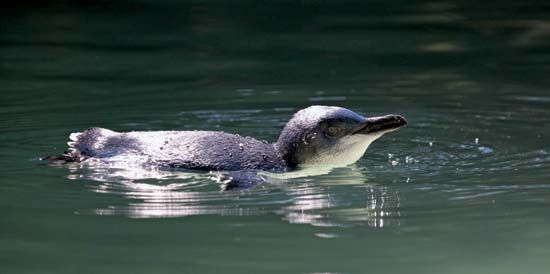
Blue penguins (Eudyptula minor) are highly skilled swimmers that spend their daylight hours at sea hunting for food, typically returning to land in the evenings. They are opportunistic predators that primarily consume fish, such as anchovies and pilchards, as well as squid and crustaceans, including krill. When foraging, they are capable of diving to depths of approximately 60 meters (about 200 feet).24
During the breeding season, feeding behavior is highly coordinated between parents. While one parent incubates the eggs or guards the chicks, the other travels to sea to forage. Once the eggs hatch, parents take turns supplying the chicks with food, which consists of regurgitated “soup” of fish or crustaceans. Unlike many other penguin species, older blue penguin chicks typically remain in the nest during the day while both parents are out hunting, rather than forming large nursery groups or “crèches,” though some exceptions have been noted in large cave colonies.245
What are the main predators of blue penguins?
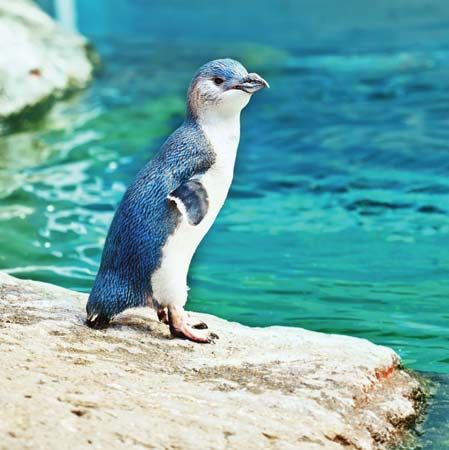
Blue penguins (Eudyptula minor) face different threats depending on whether they are at sea or on land.
At Sea While foraging in the ocean, blue penguins are vulnerable to several marine predators, including:
- Fur seals (Arctocephalus)
- Killer whales (Orcinus orca)
- Sharks
On Land When nesting or resting on land, blue penguins are susceptible to both native and introduced predators. Adult penguins are often preyed upon by:
- Dogs
- Cats
- Rats
- Foxes
- Skuas
Additionally, eggs and chicks are frequently targeted by skuas and gulls at nesting sites.26
How do blue penguins reproduce and care for their young?
Blue penguins (Eudyptula minor) typically breed between June and December, often twice a year. They are generally monogamous, with pairs frequently returning to the same nest site year after year. To protect their offspring from predators, they nest in hidden locations such as ground burrows, cliff crevices, caves, or under vegetation.52
If mating is successful, the female produces a clutch of two eggs. Both parents share the responsibility of incubation, alternating turns so that one can forage at sea while the other guards the nest. This cooperative pattern continues after the eggs hatch, which occurs after 35–37 days. Parents take turns supplying the chicks with food and guarding them until they are 18–38 days old.2
Unlike many other penguin species, older blue penguin chicks usually remain in the nest during the day while both parents are out hunting, rather than forming large nursery groups or crèches, though exceptions occur in large cave colonies. Fledging takes place when chicks are 50–65 days old, after which they transition to independence within a few weeks.52
Sources
- Australian little penguin: Top Questions — Encyclopædia Britannica
- blue penguin — Encyclopædia Britannica
- penguin - Classification — Encyclopædia Britannica
- Australian little penguin — Encyclopædia Britannica
- penguin - Reproduction — Encyclopædia Britannica
- How do penguins stay warm? — Encyclopædia Britannica
- Magellanic penguin — Encyclopædia Britannica
Published on · 3 min read