Bluebird
A bluebird is any of the three species of North American birds belonging to the genus Sialia within the chat-thrush group (family Turdidae). These birds are…
What is Bluebird?
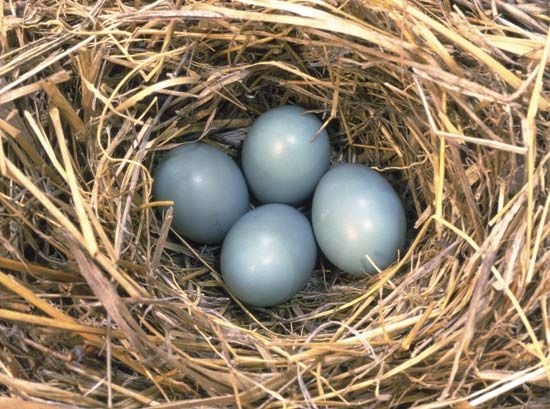
A bluebird is any of the three species of North American birds belonging to the genus Sialia within the chat-thrush group (family Turdidae). These birds are known for living in open country and woodland glades, where they nest in tree holes, fenceposts, or bird boxes.1
The three species include:
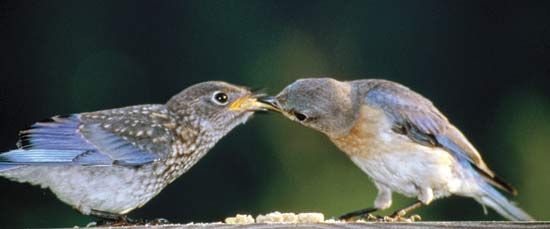
- Eastern bluebird (S. sialis): A red-breasted form found east of the Rocky Mountains.1
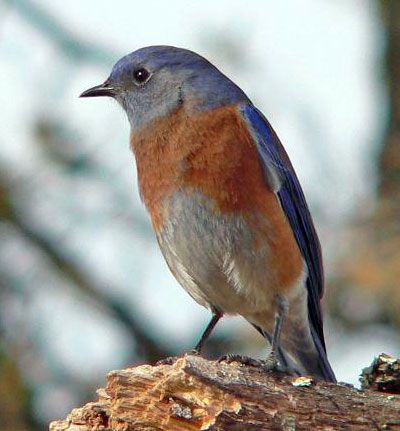
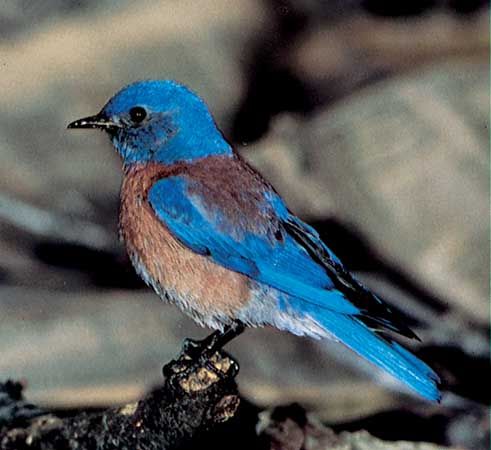
- Western bluebird (S. mexicana): A red-breasted form found west of the Rockies.1
- Mountain bluebird (S. currucoides): An all-blue species also found in the west.1
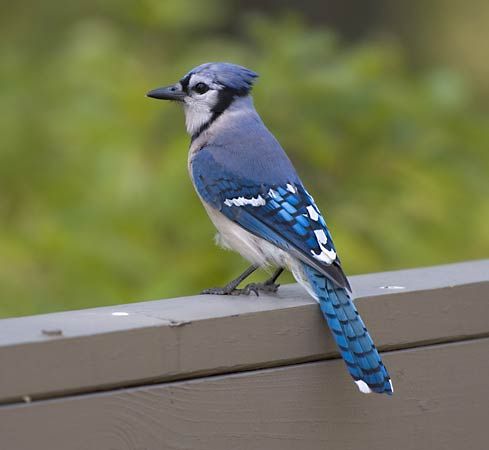
It is important to distinguish these from the blue jay, a larger, unrelated bird in the family Corvidae, or The Blue Bird, a famous 1908 play by Maurice Maeterlinck about the search for happiness.23
How do bluebirds differ from blue jays in appearance and behavior?
Bluebirds and blue jays are distinct North American birds that differ significantly in their physical characteristics and behaviors.
Appearance
- Size: Bluebirds are smaller, measuring approximately 14 cm (5.5 inches) in length. In contrast, blue jays are larger, typically ranging from 22 to 30 cm (8.7 to 11.8 inches).42
- Plumage: Blue jays are known for their prominent head crests, blue and white coloration, black neckline, and black bars on their tails. Bluebirds vary by species: the eastern and western varieties have red breasts, while the mountain bluebird is entirely blue.124
Behavior
- Temperament: Blue jays are recognized for their bold, raucous, and sometimes aggressive behavior, particularly at bird feeders. They are highly intelligent and capable of mimicking the calls of hawks to frighten other birds. Bluebirds are generally characterized by their soft, blurry vocalizations.124
- Diet and Nesting: Blue jays are omnivorous, feeding on seeds, nuts, insects, and occasionally the eggs of other birds. They are known for caching food, which helps disperse seeds for trees like oaks. Bluebirds primarily inhabit open country and woodland glades, nesting in tree holes, fenceposts, or bird boxes.124
What are some common threats to bluebird populations in the wild?
Bluebird populations face several challenges in the wild, primarily related to competition for nesting sites and environmental factors.
- Competition for Nesting Sites: As cavity-nesting birds, bluebirds rely on holes in trees, fenceposts, or bird boxes to raise their young. They are frequently driven away from these essential nesting locations by invasive species, specifically starlings and house sparrows, which compete for the same limited resources.2
- Habitat Loss: Like many avian species, bluebirds are vulnerable to the broader impacts of habitat loss and deforestation, which reduce the availability of suitable woodland glades and open country environments necessary for their survival.1
- Environmental Hazards: While specific data for bluebirds is limited in the provided text, related songbirds are known to be sensitive to pesticide poisoning and are susceptible to diseases such as the West Nile virus, which is transmitted by mosquitoes.1
We could dive deeper into how bird box management can help mitigate these competition issues for bluebirds.
Why are bluebirds often used as symbols of happiness in literature and art?
The association of bluebirds with happiness is largely rooted in the cultural impact of the 1908 play The Blue Bird by the Belgian playwright Maurice Maeterlinck.
In this influential fairy-tale, the protagonists, Tyltyl and Mytyl, embark on a quest to find the “Blue Bird of Happiness.” The narrative concludes with the realization that the elusive symbol of joy was not found in distant lands, but was present in their own backyard all along. This story solidified the bluebird’s status as a literary and artistic emblem of hope, contentment, and the pursuit of happiness. While the term “bluebird” refers to three specific species of North American thrushes—Sialia currucoides, S. mexicana, and S. sialis—it is this symbolic legacy that has cemented their place in folklore as harbingers of joy.35
Sources
- Bluebird — Encyclopædia Britannica
- Blue jay — Encyclopædia Britannica
- The Blue Bird — Encyclopædia Britannica
- Jay — Encyclopædia Britannica
- western bluebird — Merriam-Webster
- bluebird — Merriam-Webster
Published on · 3 min read