Polemoniaceae
Polemoniaceae, commonly known as the phlox family, is a group of flowering plants within the order Ericales. This family comprises approximately 18 genera…
What is Polemoniaceae?
Polemoniaceae, commonly known as the phlox family, is a group of flowering plants within the order Ericales. This family comprises approximately 18 genera and 385 species, which are primarily native to North America, though they are also found in temperate regions of South America and Eurasia.1
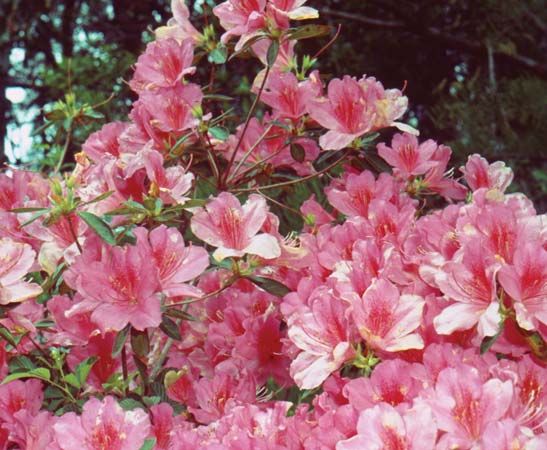
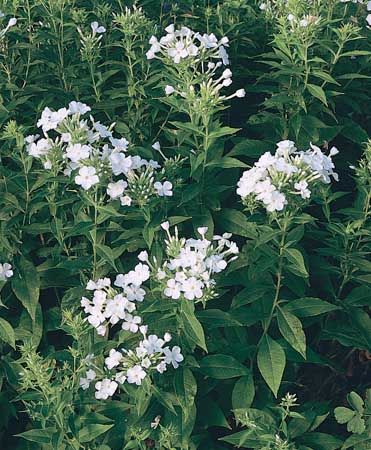
Most members are herbaceous annuals or perennials, though some species are woody. They are characterized by tubular, five-lobed, funnel-shaped flowers often arranged in clusters or heads. These plants typically feature a three-chambered ovary and five stamens inserted on the corolla tube.12
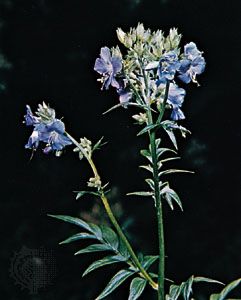
The family includes many popular garden ornamentals, such as Jacob’s ladder (Polemonium caeruleum), scarlet gilia (Ipomopsis aggregata), and the diverse phlox genus, which contains about 65 species.13
What is the difference between annual and perennial plants?
The primary difference between annual and perennial plants lies in their life cycle and longevity.
Annual Plants
An annual is a plant that completes its entire life cycle—from germination and growth to flowering and death—within a single growing season. Because these plants die after one season, the only part of the plant that survives to the next year is the seed. Common examples include many vegetables like corn and beans, as well as garden flowers such as marigolds and zinnias.45
Perennial Plants
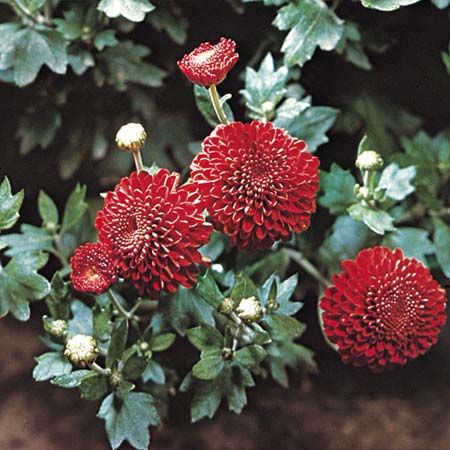
A perennial is a plant that persists for several years. While the aboveground portions of herbaceous perennials may die back to the ground in autumn, the plant survives through underground structures—such as bulbs, rhizomes, corms, or tubers—which produce new growth in the following season. All trees and shrubs are perennials, as are many garden favorites like phlox, chrysanthemums, and dahlias6.65
In short, if you want plants that return year after year, perennials are the standard choice, whereas annuals must be replanted each season.7
How do botanists classify plants into different families?
Botanists classify plants into families and other taxonomic ranks by evaluating their resemblances to and differences from known forms, aiming to establish relationships based on evolutionary lineages. While early classification systems relied primarily on gross morphology—such as general form or floral structure—modern taxonomy integrates a multidisciplinary approach to ensure accuracy.91011
Key methods used by botanists include:
- Molecular Evidence: DNA analysis is now a cornerstone of classification. By measuring the molecular similarity of DNA between different plants, scientists can determine their natural evolutionary relationships (phylogeny).1211
- Morphology: The study of physical structures, such as flowers, leaves, and pollen, remains vital. Botanists use advanced tools like electron microscopes to examine these features in detail.1311
- Chemotaxonomy: This field analyzes the unique metabolic products and chemical compounds within a plant to provide objective, quantitative evidence for classification.11
- Cytology and Genetics: Research into cell structure and genetic mechanisms helps explain how species arise and maintain their individuality.11
- Numerical Taxonomy: Using computer techniques, botanists quantify characteristics to determine relationships between species and depict them graphically.11
Ultimately, classification is a consensus-based process where taxonomists recognize natural groups and assign them to ranks within a hierarchy, such as family, genus, and species.10
What are some other common garden plants in the Ericales order?
The order Ericales contains a diverse array of plants, many of which are popular in gardens and agriculture. While the Ericaceae (heath family) is the most prominent group in the order, other families within Ericales also contribute common garden species.
Common Garden Plants in Ericales
- Ericaceae (Heath Family): This family is highly valued for its showy flowers and edible fruits. Key garden plants include:
- Other Families: The order includes several other families that contain familiar plants:
- Primulaceae: This group includes the popular primrose genus (Primula), widely grown for its early spring flowers.17
- Actinidiaceae: This family includes the kiwifruit (Actinidia), which is grown both commercially and in home gardens.17
- Polemoniaceae: Known for garden favorites like Phlox, which are prized for their vibrant, clustered flowers.17
- Balsaminaceae: This family includes Impatiens, a staple for shaded garden beds.17
Sources
- Polemoniaceae — Encyclopædia Britannica
- Polemoniaceae — Merriam-Webster
- phlox — Encyclopædia Britannica
- Is That Plant 'Perennial' or 'Annual'? — Merriam-Webster
- annual — Encyclopædia Britannica
- perennial — Encyclopædia Britannica
- angiosperm - General features — Encyclopædia Britannica
- plant development - Seasonal adaptations — Encyclopædia Britannica
- tree - Classification of trees — Encyclopædia Britannica
- Asparagales - Organization and taxonomy — Encyclopædia Britannica
- taxonomy - Ranks — Encyclopædia Britannica
- angiosperm - Eudicots — Encyclopædia Britannica
- Caryophyllales - Other families — Encyclopædia Britannica
- botany - Taxonomic aspects — Encyclopædia Britannica
- Ericales — Encyclopædia Britannica
- Ericaceae — Encyclopædia Britannica
- Ericales — Merriam-Webster
- Ericales - Ericaceae — Encyclopædia Britannica
Published on · 3 min read