Bilberry
The bilberry (Vaccinium myrtillus) is a low-growing, deciduous shrub in the heath family (Ericaceae). Native to hilly regions across Great Britain, northern…
What is bilberry?
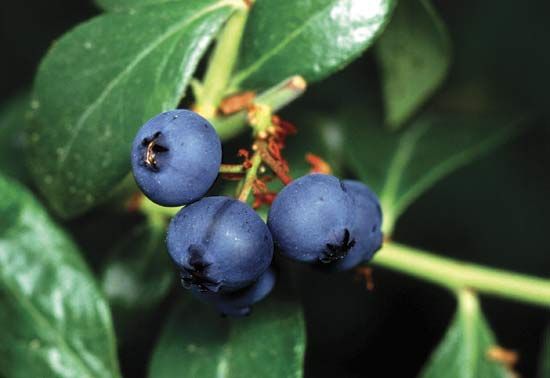
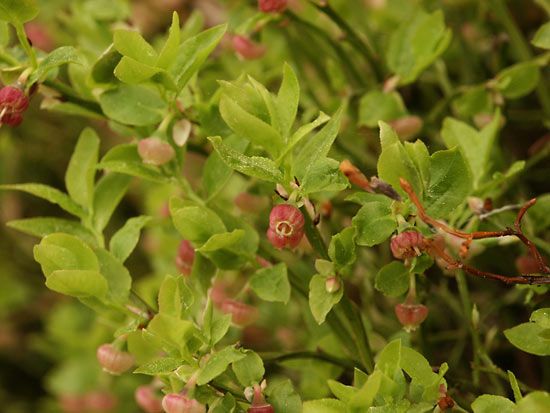
The bilberry (Vaccinium myrtillus) is a low-growing, deciduous shrub in the heath family (Ericaceae). Native to hilly regions across Great Britain, northern Europe, and Asia, the plant typically reaches heights of 15 to 60 cm and features small, serrated leaves and rosy, green-tinged flowers.1
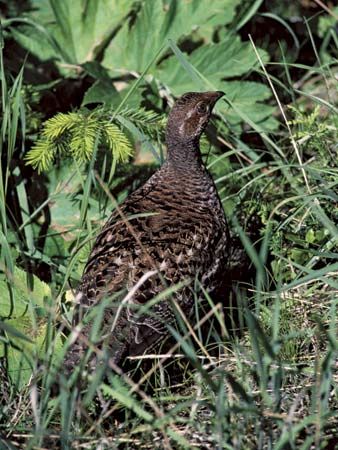
The plant produces dark blue, edible berries that ripen in mid-summer. Unlike the more productive, cluster-bearing blueberries found in the United States, bilberries are borne singly1. These fruits are a significant food source for grouse and are commonly used by humans in tarts, preserves, and jams. Additionally, the fruit or its extracts are sometimes utilized as herbal remedies. The plant is also known by names such as whortleberry or blaeberry.21
How do bilberries differ from common blueberries?
While bilberries and blueberries are closely related members of the Vaccinium genus, they exhibit distinct growth habits and physical characteristics.
The primary differences include:
- Fruit Arrangement: The most notable distinction is that bilberries are borne singly on the plant, whereas cultivated blueberries are produced in short clusters.1
- Plant Size and Cultivation: While both are deciduous shrubs in the heath family, blueberries are often more productive and are extensively cultivated in the United States. Blueberry shrubs vary significantly in size, ranging from 60 cm for lowbush varieties to up to 4 metres for highbush cultivars, whereas the bilberry typically reaches heights of only 15 to 60 cm.13
- Distribution: Bilberries (Vaccinium myrtillus) are native to hilly districts of Great Britain, northern Europe, and Asia, while the blueberry species commonly found in commerce are primarily North American in origin.13
Despite these differences, both fruits are valued for their nutritional content and culinary uses.13
What are some other plants in the heath family?
The heath family (Ericaceae) is a diverse group of more than 4,000 species of flowering plants distributed nearly worldwide. These plants are often found in acidic, nutrient-poor soils and range from small alpine herbs to large tropical trees.678
Beyond the well-known bilberry and blueberry, the family includes many significant genera and species, often categorized by their use as ornamentals, food crops, or wood products:69
- Ornamentals: This group includes the rhododendron (which encompasses azaleas), mountain laurel, heath (Erica), and heather (Calluna vulgaris).689
- Food Crops: In addition to Vaccinium species like cranberries and lingonberries, the family includes huckleberries (Gaylussacia).69
- Other Notable Plants:
- Strawberry tree (Arbutus unedo)
- Bearberry (Arctostaphylos uva-ursi)
- Indian pipe (Monotropa uniflora), a unique plant that lacks chlorophyll.67
- Wintergreen (Gaultheria species).69
- Sourwood (Oxydendrum arboreum).69
In what types of environments do bilberries grow best?
Bilberries (Vaccinium myrtillus) thrive in specific natural settings, primarily favoring cool, temperate regions across the Northern Hemisphere. They are most commonly found in the following environments:
- Woodlands and Forests: These shrubs are well-adapted to growing in wooded areas, where they can establish themselves in the understory.1
- Heaths and Hilly Terrain: Bilberries are characteristically found on heaths and within hilly districts, particularly in Great Britain, northern Europe, and parts of Asia.1
- Diverse Habitats: While the common bilberry prefers these hilly and wooded landscapes, related species like the bog bilberry (Vaccinium uliginosum) are specifically adapted to cooler, temperate environments, including boggy or marshy areas across North America and Eurasia.54
Generally, members of the Vaccinium genus, which includes bilberries, are widely distributed throughout the Northern Hemisphere and are frequently found in northern or mountainous regions where they can tolerate the specific soil and climate conditions of these areas.5
Sources
- bilberry — Encyclopædia Britannica
- bilberry — Merriam-Webster
- Blueberry — Encyclopædia Britannica
- alpine bilberry — Merriam-Webster
- Vaccinium — Encyclopædia Britannica
- list of plants in the family Ericaceae — Encyclopædia Britannica
- Ericaceae — Encyclopædia Britannica
- list of economically important members of the family Ericaceae — Encyclopædia Britannica
- heath — Encyclopædia Britannica
- azalea — Encyclopædia Britannica
- Ericales - Ericaceae — Encyclopædia Britannica
Published on · 3 min read