Bluegrass
Bluegrass refers to the genus Poa, which is the largest group within the grass family (Poaceae), encompassing over 500 species found in temperate and…
What are the defining characteristics of bluegrass as a plant species?
Bluegrass refers to the genus Poa, which is the largest group within the grass family (Poaceae), encompassing over 500 species found in temperate and tropical regions worldwide.1
Key Botanical Characteristics
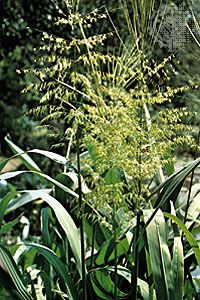
- Growth Habit: These plants are slender annuals or perennials.1
- Leaf Structure: They feature narrow leaf blades characterized by blunt or boat-shaped tips and a small, membranous appendage at the base known as a ligule.1
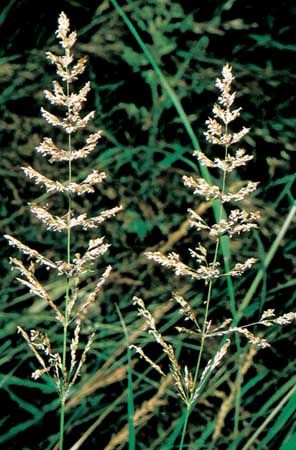
- Flowers: The flowers are typically small, bristle-less spikelets arranged in open clusters. While most species possess bisexual flowers, some are dioecious, meaning they have separate male and female plants.1
- Appearance: The name is derived from the bluish-green color of the culms (stems) found in several species.2
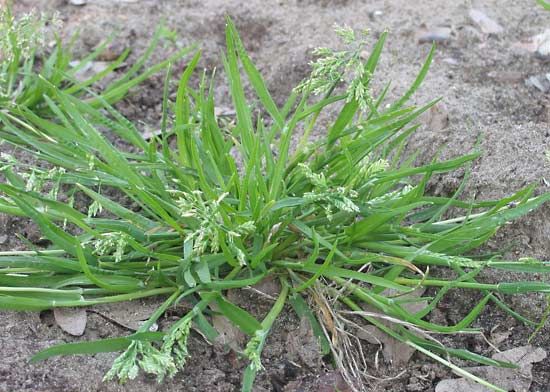
Common varieties include Kentucky bluegrass (Poa pratensis), a popular sod-forming grass, and annual bluegrass (P. annua), which is often considered a lawn pest.1
In which regions is bluegrass typically found, and what are its preferred growing conditions?
Bluegrass species (genus Poa) are widely distributed across the globe, thriving in temperate, arctic, and tropical climates in temperate, arctic, and tropical climates. While many species are native to specific regions—such as Eurasia—several have naturalized extensively in areas outside their original range, including throughout North America.14
Regarding their preferred growing conditions, bluegrasses are highly adaptable and are commonly found in a variety of environments:
- Habitats: They are frequently encountered in open areas, meadows, and along roadsides.41
- Usage: Many species are cultivated for their ability to form dense, resilient ground cover, making them popular choices for lawns, pastures, and forage.4
- Growth Characteristics: Certain varieties, such as Kentucky bluegrass, utilize creeping rootstalks to form a sturdy sod, which allows them to persist in managed landscapes and open fields.4
While some species are valued for their utility, others, such as annual bluegrass, are often categorized as pests when they invade established lawns.4
How is bluegrass used in landscaping and lawn care?
Bluegrass is a versatile genus widely utilized in horticulture for both ornamental and functional purposes. Its primary applications in landscaping and lawn care include:
- Turf and Sod Production: Species like Kentucky bluegrass are highly valued for their ability to form dense, resilient turf. Because these grasses develop creeping rootstalks, they create a sturdy sod that can be harvested from farms as plugs, blocks, or strips and transplanted to establish uniform, green ground cover quickly.15
- Ornamental and Recreational Use: Bluegrass is frequently used to create fine-textured lawns that are mowed regularly to beautify open spaces. Beyond residential lawns, these grasses are suitable for recreational surfaces, including golf greens and other sports playing areas.5
- Versatility: While Kentucky bluegrass is a staple for lawns, other species like Canada bluegrass are also used for their similar appearance and utility. Conversely, some varieties, such as annual bluegrass, are generally regarded as pests rather than desirable components of a managed landscape.1
What are the different species of bluegrass, and how do they differ from each other?
Bluegrass (genus Poa) is the largest genus in the grass family, encompassing over 500 species of slender annuals and perennials. While they share common botanical traits—such as narrow leaf blades with boat-shaped tips and small, bristle-less spikelets—they vary significantly in their growth habits and utility.1
Key species include:
- Kentucky Bluegrass (P. pratensis): A popular, introduced species known for its soft, blue-green leaves and creeping rootstalks that form a dense, high-quality sod.1
- Canada Bluegrass (P. compressa): A wiry plant with flat stems; while similar in use to Kentucky bluegrass, it is distinct in its physical structure.1
- Forage Varieties: Species such as Texas bluegrass (P. arachnifera), mutton grass (P. fendleriana), and plains bluegrass (P. arida) are primarily valued as forage grasses in western regions.1
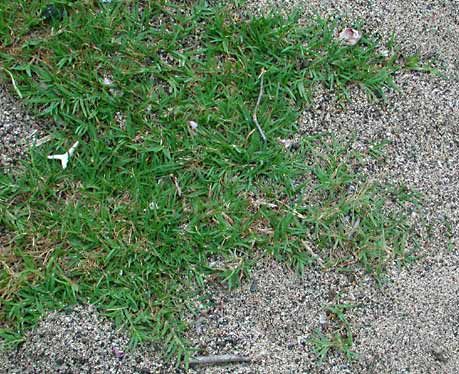
- Annual Bluegrass (P. annua): A small, light-green species that has naturalized widely; unlike the others, it is frequently considered a nuisance or pest in managed lawns.1
Sources
- Bluegrass — Encyclopædia Britannica
- Kentucky bluegrass — Merriam-Webster
- bluegrass — Merriam-Webster
- poa — Merriam-Webster
- turf — Encyclopædia Britannica
Published on · 3 min read