Boneset
Boneset (Eupatorium perfoliatum) is primarily recognized as a folk remedy rather than a standard treatment in modern evidence-based medicine. While the plant…
How is boneset used in modern herbal medicine and what conditions is it commonly used to treat?
Boneset (Eupatorium perfoliatum) is primarily recognized as a folk remedy rather than a standard treatment in modern evidence-based medicine. While the plant has a long history of traditional use, it is important to note that its efficacy and safety for specific medical conditions are not broadly supported by contemporary clinical standards.
Historically, boneset tea has been used as a folk remedy to treat fevers. Additionally, the plant earned its common name because its leaves were traditionally wrapped around broken bones in the belief that they would promote healing.1
Because boneset is categorized as a traditional herb within the genus Eupatorium, its use remains largely confined to historical and folk practices. There is no clinical consensus regarding its use for modern medical conditions, and individuals should exercise caution and consult with healthcare professionals before using herbal supplements.123
What is boneset and where does it naturally grow?
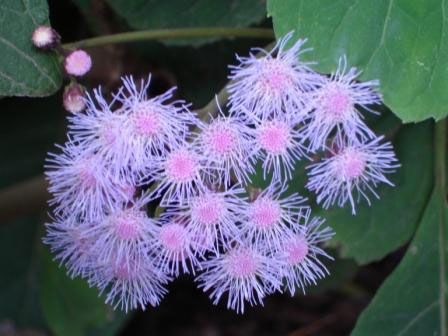
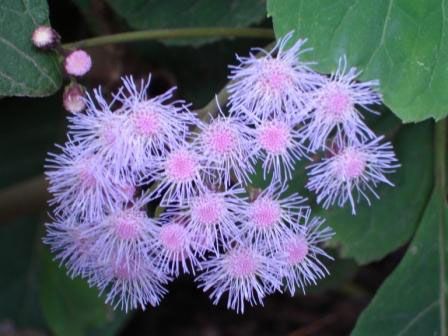
Boneset (Eupatorium perfoliatum) is a coarse, hairy perennial plant belonging to the aster family. It typically reaches heights of 0.6 to 1.8 metres (2 to 6 feet) and is characterized by lance-shaped, wrinkled leaves that join at their bases around the stem, as well as clusters of small white disk flowers.1
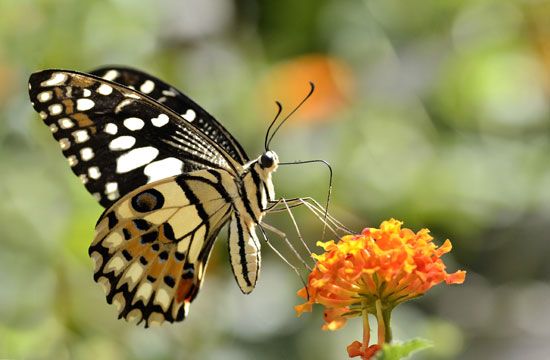
Regarding its natural habitat, boneset is native to North America and is commonly found in wet environments. It is frequently utilized in rain gardens and serves as a nectar source for butterflies.1
While E. perfoliatum is the most well-known variety, other related species also carry the name “boneset.” For example, the American boneset (Eupatorium hyssopifolium) is found in the sandy regions of the eastern United States, while species such as rough boneset (E. pilosum) and upland boneset (E. sessilifolium) are also native to North America.14
Are there any similar plants that are often confused with boneset?
It is common for various plants to be confused with boneset, primarily because several related species within the Eupatorium genus share the name “boneset.”
These related species, which are often grouped under the same common name, include:
- Rough boneset (Eupatorium pilosum): A North American species often associated with the name.1
- Upland boneset (E. sessilifolium): Another native North American plant frequently referred to as a type of boneset.1
- American boneset (E. hyssopifolium): Distinguished by its narrow leaves and preference for sandy habitats in the eastern United States.3
- Purple boneset: A name sometimes used to refer to joe-pye weed (Eupatorium purpureum).4
- Deerwort boneset: A term sometimes applied to white snakeroot. sometimes applied to white snakeroot.5
Because these plants belong to the same genus or share similar common names, they are frequently conflated in both botanical and folk contexts.
What are the distinctive physical characteristics of the boneset plant?
The boneset (Eupatorium perfoliatum) is a coarse, rough, and hairy perennial plant that typically reaches heights between 0.6 and 1.8 metres (2 to 6 feet).13
Its most distinctive physical characteristics include:
- Leaves: The leaves are lance-shaped, toothed, and wrinkled. A defining feature is that they are joined together at their bases, appearing to surround the stem.1
- Flowers: The plant produces small, white disk flowers arranged in numerous heads. These heads form a flat, branched cluster at the top of the plant.13
- Seeds: Following the flowering stage, the plant produces seeds that are borne in wind-dispersed achenes.1
While these traits are specific to E. perfoliatum, other related species—such as the American boneset (Eupatorium hyssopifolium)—are distinguished by different features, such as narrower leaves and a preference for sandy habitats.4
Sources
- Boneset — Encyclopædia Britannica
- boneset — Merriam-Webster
- Eupatorium — Encyclopædia Britannica
- American boneset — Merriam-Webster
- deerwort boneset — Merriam-Webster
- purple boneset — Merriam-Webster
Published on · 3 min read