Bouvardia
Bouvardia is a genus comprising approximately 30 species of evergreen shrubs and herbs belonging to the Rubiaceae family. Primarily native to tropical…
What is Bouvardia?
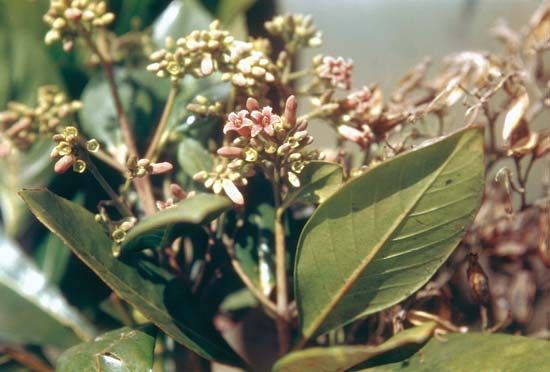
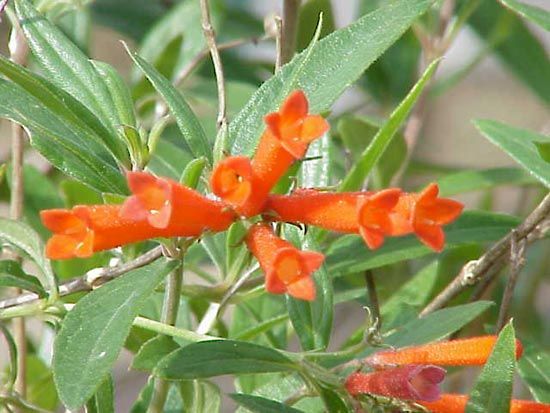
Bouvardia is a genus comprising approximately 30 species of evergreen shrubs and herbs belonging to the Rubiaceae family. Primarily native to tropical America, these plants are characterized by their dark green leaves and showy, tubular flowers that feature four petals and four stamens.12
The flowers, which can be red, white, or yellow, are often lightly scented and known to attract hummingbirds. Due to their aesthetic appeal, several species—such as B. longiflora—are cultivated as houseplants, grown in greenhouses, or utilized within the floral industry. In regions like Mexico and the southwestern United States, B. ternifolia, commonly known as the firecracker bush or scarlet bouvardia, is frequently used in landscaping for its vibrant red-orange blooms. The genus is named in honor of the 17th-century French physician Charles Bouvard.12
What other plants belong to the Rubiaceae family?
The Rubiaceae family, also known as the madder family, is a diverse group of flowering plants comprising over 13,150 species. Beyond Bouvardia, this family includes a wide variety of plants valued for their economic utility or ornamental beauty.
Economically Important Plants
Several members of the family are significant sources of chemicals and commodities:
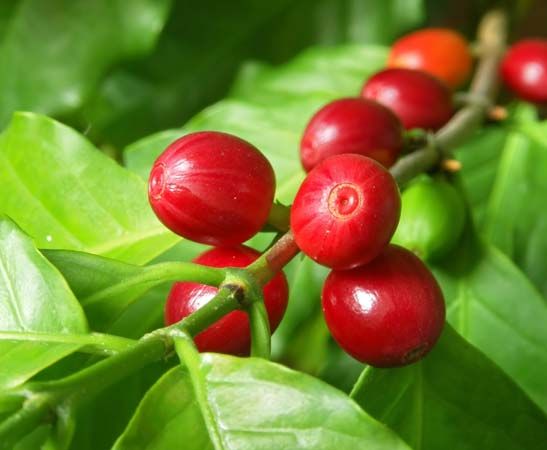
- Coffee: Derived from the seeds of various Coffea species, most notably C. arabica and C. canephora.
- Quinine: Extracted from the bark of Cinchona trees.
- Ipecac: Obtained from the roots of Carapichea ipecacuanha.
- Kratom: Known scientifically as Mitragyna speciosa, used for its stimulant properties.
- Common madder: Historically cultivated for the red dye alizarin found in its roots.
Ornamental and Other Notable Genera
Many species are popular in gardens and landscaping:
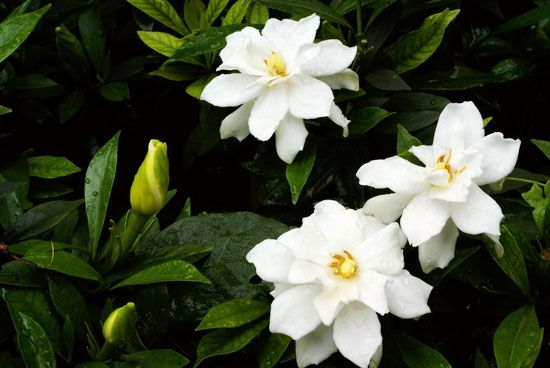
- Ornamentals: Includes Gardenia, Ixora, Nertera, Crucianella, bluets (Houstonia), and buttonbush (Cephalanthus).
- Temperate Herbs: Familiar examples include Galium (bedstraw) and Mitchella (partridgeberry).
- Ant-associated Plants: Genera such as Myrmecodia, Nauclea, Duroia, and Hydnophytum feature hollow structures that provide habitats for ants.
How do hummingbirds help with plant pollination?
Hummingbirds serve as vital agents of pollination, particularly in the Americas, where they have evolved specialized physical traits to feed on nectar. Because hummingbirds have a poor sense of smell but possess excellent color vision—with a high sensitivity to the red part of the spectrum—the plants they pollinate have developed specific “pollinator syndromes” to attract them.678
These bird-pollinated flowers typically exhibit the following characteristics:
- Appearance: They are often a uniform, vibrant red, lack scent, and are sturdily constructed to withstand a bird’s probing bill.67
- Structure: In the Americas, these flowers are often pendant (hanging) and radially symmetrical, allowing hummingbirds to feed while hovering on the wing rather than requiring a landing platform.67
- Nectar: Because birds have high metabolic rates, these flowers produce copious amounts of nectar to sustain their visitors.68
- Pollen Transfer: The flowers feature strong, protruding stamens that touch the bird’s head or breast as it feeds. The pollen often sticks together in clumps or chains, enabling a single visit to fertilize hundreds of ovules.67
What are the best conditions for growing tropical shrubs?
Growing tropical shrubs successfully requires replicating their native environments, which typically feature high humidity, consistent warmth, and specific light levels. While many tropical species are adaptable, providing the right conditions is essential for their health.
Key Growing Conditions
- Humidity: Many tropical shrubs thrive in high-humidity environments. If your home air is dry, consider using a terrarium or a conservatory to maintain the necessary moisture levels for more sensitive or exotic species.10
- Light: While some species are resilient enough to endure low light intensity, most tropical plants prefer bright, indirect light. It is important to research the specific light requirements of your shrub, as some may suffer in direct, harsh sunlight while others will fail to thrive in dim corners.10
- Temperature: Tropical shrubs generally require stable, warm temperatures. They are sensitive to cold drafts and sudden temperature fluctuations, which can cause leaf drop or stunted growth.
- Watering: Consistent moisture is key. Ensure the soil is well-draining to prevent root rot, but avoid letting the soil dry out completely, as most tropical plants prefer a consistently moist (but not waterlogged) growing medium.
Sources
- Bouvardia — Encyclopædia Britannica
- bouvardia — Merriam-Webster
- Rubiaceae — Encyclopædia Britannica
- Rubiaceae — Merriam-Webster
- Coffea — Encyclopædia Britannica
- Pollination - Birds — Encyclopædia Britannica
- Major types of pollinators - Birds — Encyclopædia Britannica
- Major types of pollinators — Encyclopædia Britannica
- Angiosperm - Pollination — Encyclopædia Britannica
- houseplant - Types of houseplants — Encyclopædia Britannica
Published on · 3 min read