Bromegrass
Bromegrass refers to a genus of approximately 160 species of annual and perennial grasses within the Poaceae family. These plants are primarily found in…
What are the key characteristics of bromegrass plants?
Bromegrass refers to a genus of approximately 160 species of annual and perennial grasses within the Poaceae family. These plants are primarily found in temperate and cool climates.1
Key characteristics include:
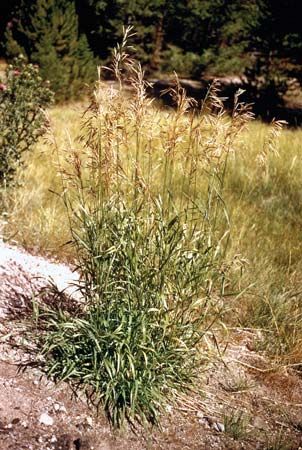
- Physical Structure: Most species reach heights between 30 and 100 cm (12 to 40 inches). They possess flat, thin leaves characterized by distinctive closed leaf sheaths.1
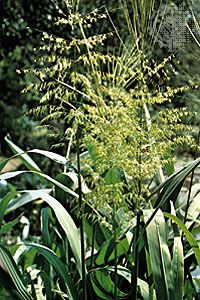
- Flowers and Spikelets: The plants feature open, spreading flower clusters that may be erect or drooping. The spikelets are often large and drooping, with lemmas typically awned near a two-toothed apex.12
- Reproductive Features: A characteristic trait of the genus is the presence of hairy appendages on the ovaries.1
- Ecological Impact: While some species are valued as forage grass or soil binders, others are considered invasive species outside their native ranges. Certain varieties, such as cheatgrass, can be dangerous to livestock because their spiny spikelets or bracts can cause severe injury.1
What role does bromegrass play in agriculture and livestock feed?
In agriculture, several species of bromegrass serve as valuable forage and pasture crops. These grasses are utilized to support livestock, though their utility varies significantly by species.1
Economically important varieties include:
- Smooth brome (B. inermis): A perennial native to Eurasia that was introduced to the northern United States. It is widely cultivated as a forage plant and is also used as a soil binder to prevent erosion.1
- Rescue grass (B. catharticus): A winter annual introduced from South America that is commonly used for pasture and forage purposes.1
While some species are beneficial, others pose serious risks to livestock. Varieties such as cheatgrass, ripgut grass, and foxtail brome are considered dangerous. These plants possess spiny spikelets or bracts that can puncture the eyes, mouths, and intestines of grazing animals, leading to severe infections or death. Because of these risks, it is essential for agricultural management to distinguish between beneficial forage grasses and those that threaten animal welfare.1
What are the main species of bromegrass and their uses?
The genus Bromus, commonly known as bromegrass, comprises approximately 160 species of annual and perennial grasses. While some are valued for their agricultural utility, others are categorized as weeds or invasive species.1
Economically Important Species
Several species are cultivated for their benefits in agriculture and land management:
- Smooth brome (B. inermis): A perennial native to Eurasia, it is widely used in the northern United States as a forage plant and a soil binder to prevent erosion.13
- Rescue grass (B. catharticus): A winter annual introduced from South America, it is cultivated in mild regions, such as the southern United States, specifically for hay and forage.14
Weeds and Dangerous Species
Certain bromegrasses are problematic due to their invasive nature or the physical harm they cause to livestock:
- Cheatgrass (B. tectorum): A well-known invasive species that can be dangerous to grazing animals.1
- Other Harmful Varieties: Species such as ripgut grass (B. diandrus) and foxtail brome (B. rubens) possess spiny spikelets or bracts. These structures can puncture the eyes, mouths, and intestines of livestock, leading to severe infection or death.1
- Chess (B. secalinus): Often referred to as cheat, this common weed is frequently found in grain fields and along roadsides.1
How is bromegrass used in erosion control and soil conservation efforts?
In the context of soil conservation, certain species of bromegrass are utilized as effective soil binders. Specifically, smooth brome (Bromus inermis), a perennial grass native to Eurasia, is widely employed for this purpose in the northern United States.1
The effectiveness of such perennial grasses in erosion control is largely attributed to their extensive root systems. These systems help anchor soil particles, making them significantly more difficult to dislodge by wind or water. Furthermore, because these plants are perennials, they do not require annual replanting, which minimizes the need for tilling. Reducing soil disturbance through limited tilling is a critical component of sustainable agriculture and helps maintain overall soil health by preventing the degradation often associated with intensive farming practices.6
Sources
- Bromegrass — Encyclopædia Britannica
- Bromus — Merriam-Webster
- list of economically important members of the family Poaceae — Encyclopædia Britannica
- rescue grass — Merriam-Webster
- bromegrass — Merriam-Webster
- Perennial agriculture — Encyclopædia Britannica
Published on · 3 min read