Bowenia
Bowenia is a genus of two species of palmlike cycads belonging to the family Stangeriaceae, native to Queensland, Australia.
What is Bowenia?
Bowenia is a genus of two species of palmlike cycads belonging to the family Stangeriaceae, native to Queensland, Australia.1
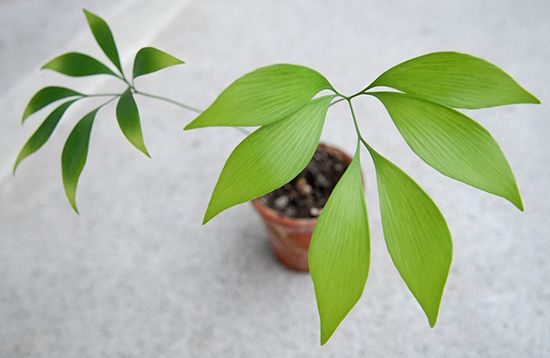
The extant species include the Byfield fern (Bowenia serrulata) and B. spectabilis, both of which are often grown as ornamental plants. These gymnosperms are characterized by a tuberous, subterranean stem and evergreen, bipinnately compound leaves. Their seeds are produced in cones that emerge from the base of the underground stem.1
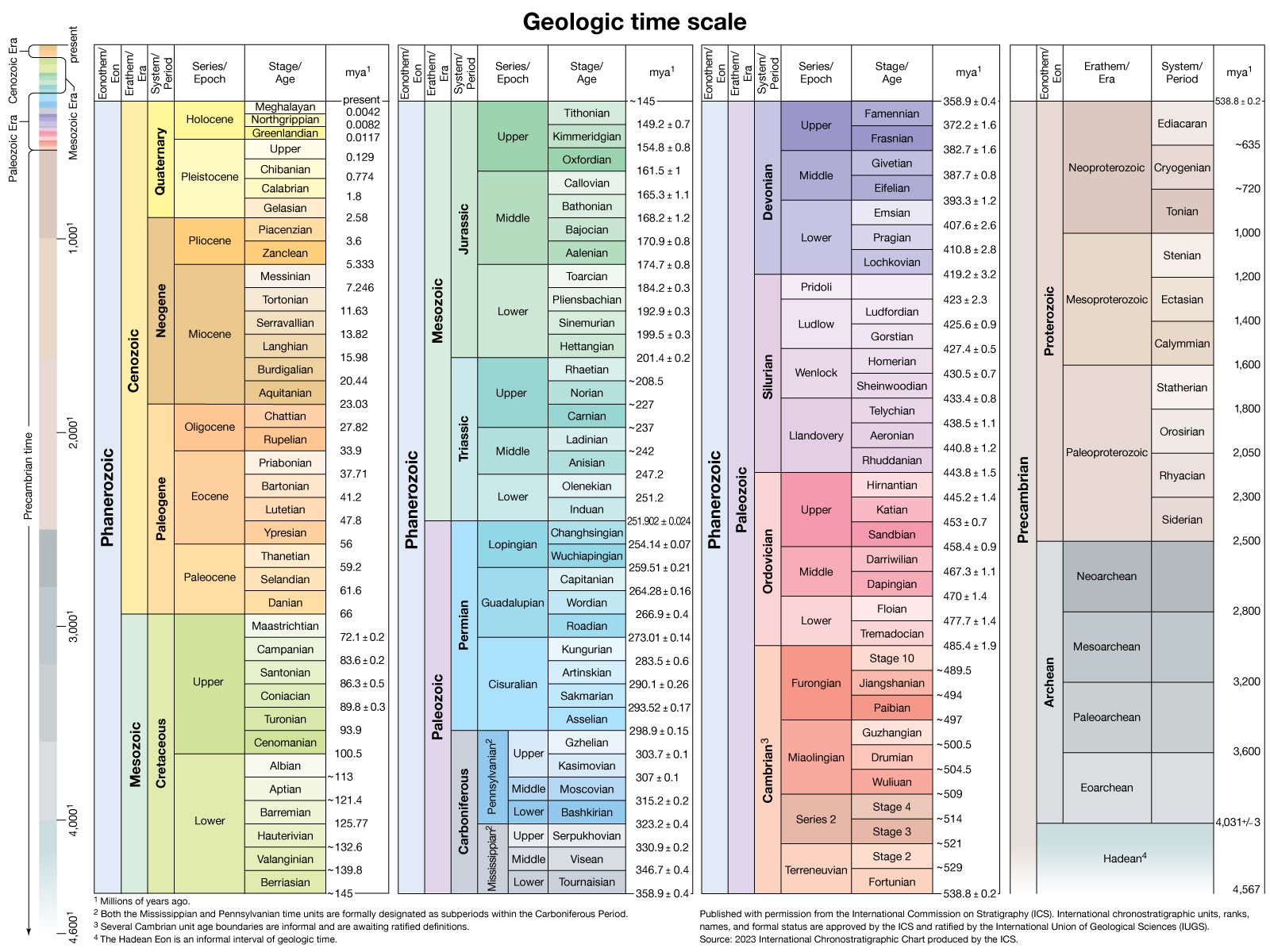
The genus also includes two extinct species, B. eocenica and B. papillosa, which are known from fossilized remains dating back to the Eocene Epoch.1
What are the main characteristics of cycads?
Cycads are a group of ancient, palmlike gymnosperms belonging to the order Cycadales, which flourished during the Mesozoic Era. They are characterized by several distinct physical and reproductive features:23
- Growth Form: Cycads typically have stout, pachycaulous (thick) stems that are either tall and unbranched or partially buried and tuberous. Their trunks are often covered in an “armour” of hardened leaf and cataphyll bases, while internally they contain a large pith and relatively little woody tissue.43
- Foliage: They feature crowns of large, pinnately compound leaves that give them a palm-like appearance.23
- Reproduction: Cycads are dioecious, meaning male and female cones are borne on separate plants. They produce large, motile, multiflagellated spermatozoids, and their seeds are often brightly colored, which may serve as a signal for animal dispersal.35
- Habitat and Status: Primarily found in subtropical regions, they occupy diverse environments ranging from rainforests to scrublands. Due to their slow growth and popularity as ornamental plants, many species are now endangered or critically endangered in the wild and are protected by international conservation laws.63
How do gymnosperms reproduce using cones?
Gymnosperms reproduce using specialized structures called cones, which house the reproductive organs. The process involves two distinct types of cones:
- Male Cones (Microstrobili): These contain microsporophylls that bear microsporangia. Inside these sacs, cells undergo meiosis to produce microspores, which develop into pollen grains (the male gametophyte).7
- Female Cones (Megastrobili): These contain megasporophylls that bear ovules. Within each ovule, a single cell undergoes meiosis to produce a megaspore, which develops into the female gametophyte containing the egg.78
Pollination and Fertilization Pollen is transported by wind or insects to the female cone. In many species, a sticky “pollination droplet” captures the pollen, which then develops a pollen tube to reach the egg. Once the male and female nuclei unite, a diploid zygote is formed, which develops into an embryo protected within a seed. Unlike angiosperms, gymnosperm seeds are “naked,” meaning they are not enclosed in an ovary.789
What makes the Byfield fern unique among other plants?
The Byfield fern (Bowenia serrulata) is a unique cycad native to Queensland, Australia, that stands out for several distinct characteristics:
- Bipinnate Foliage: Unlike most cycads, which typically feature simply pinnate leaves, the Byfield fern possesses bipinnately compound leaves, giving it a delicate, fern-like appearance that belies its classification as a gymnosperm.1
- Subterranean Growth: The plant is tuberous and features a large, underground stem that typically measures 20 to 30 cm (8 to 12 inches) in length. This subterranean habit is a specialized adaptation for its environment.1
- Basal Cones: Because the stem is largely underground, the plant produces its cones basally, emerging directly from the subterranean stem rather than from the crown of the plant as seen in many other cycad species.1
The genus Bowenia also has a significant evolutionary history, with fossilized records of extinct species dating back to the Eocene Epoch.1
Sources
- Bowenia — Encyclopædia Britannica
- Did you know? — Merriam-Webster
- cycadophyte - Gametophyte phase — Encyclopædia Britannica
- cycadophyte - Stem — Encyclopædia Britannica
- cycad — Encyclopædia Britannica
- cycadophyte - Ecology and habitats — Encyclopædia Britannica
- gymnosperm - General features — Encyclopædia Britannica
- plant reproductive system - Seed plants — Encyclopædia Britannica
- seed - Gymnosperm seeds — Encyclopædia Britannica
- plant - Flowers — Encyclopædia Britannica
Published on · 3 min read