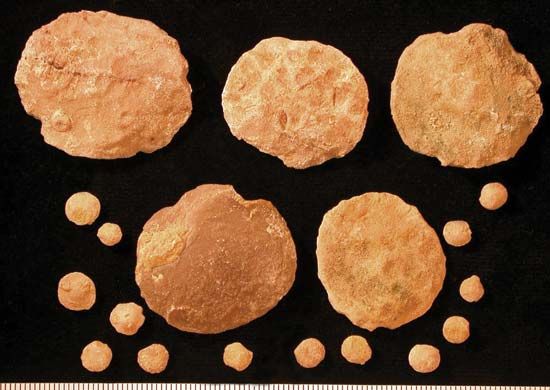
Eocene Epoch
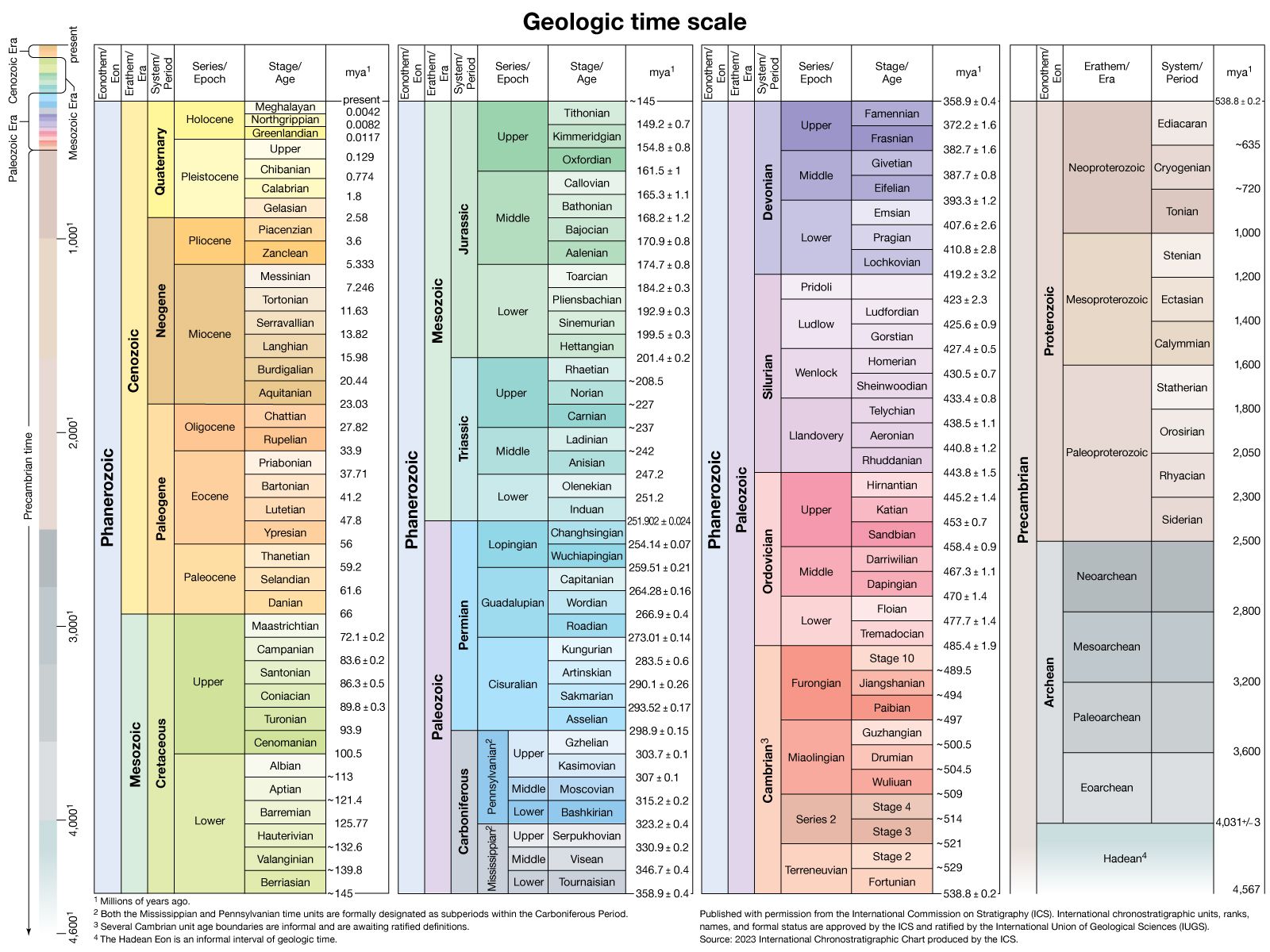
The Eocene Epoch (56 to 33.9 million years ago) was a transformative period defined by significant tectonic activity and dramatic climatic shifts that…
What major geological events or processes occurred during the Eocene that impacted Earth’s development?
The Eocene Epoch (56 to 33.9 million years ago) was a transformative period defined by significant tectonic activity and dramatic climatic shifts that reshaped Earth’s environment.
Tectonic and Paleogeographic Events
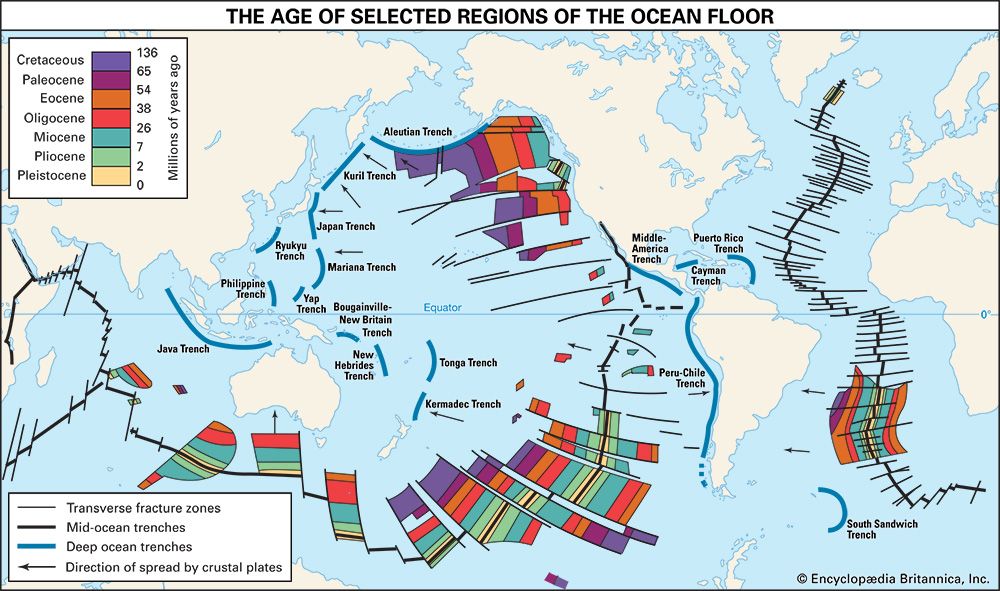
- Continental Separation: The fragmentation of the supercontinent Gondwana continued, with Australia fully separating from Antarctica early in the epoch. By the late Eocene, the subsidence of the South Tasman Rise created an oceanic connection between the Indian and Pacific oceans, a precursor to the Antarctic Circumpolar Current.1
- Himalayan Uplift: The collision between India and Asia began between 50 and 40 million years ago. This massive tectonic event initiated the rise of the Himalayas and the Plateau of Tibet, which altered global wind patterns and increased chemical weathering, impacting atmospheric carbon levels.1
- Northern Gateways: The final opening of the Norwegian-Greenland Sea occurred, while the subsidence of the Greenland-Scotland Ridge terminated the Thulean Land Bridge, isolating terrestrial vertebrate populations between North America and Europe.1
Climatic Trends
The Eocene began with the Paleocene-Eocene Thermal Maximum, a period of extreme global warmth. Following the subsequent Eocene Optimum, the planet entered a steady cooling trend, likely driven by tectonic movements and decreasing atmospheric carbon dioxide, leading toward the Eocene-Oligocene boundary.23
What were the major climate changes during the Eocene Epoch?
The Eocene Epoch (approximately 56 to 33.9 million years ago) was characterized by dramatic climatic shifts, transitioning from extreme warmth to a long-term cooling trend.12
Key Climatic Phases
- Paleocene-Eocene Thermal Maximum (PETM): Beginning about 56 million years ago, the Earth experienced a rapid, intense warming event lasting roughly 100,000 years. Global temperatures rose by more than 5 °C (9 °F), with Arctic sea surface temperatures reaching as high as 23 °C (73 °F). This period caused widespread extinctions in both marine and terrestrial ecosystems.12
- Eocene Optimum: Following the PETM, global temperatures declined briefly before rising again over several million years to reach near-PETM levels.12
- Long-term Cooling: After the Eocene Optimum, the planet entered a steady, irreversible cooling trend that persisted until the Eocene-Oligocene boundary.12
Drivers of Change
The cooling trend toward the end of the epoch was largely driven by tectonic movements, specifically the separation of Australia from Antarctica and the subsequent opening of the Drake Passage. These events isolated Antarctica within a cold polar sea, fundamentally altering global oceanic circulation and atmospheric patterns. Additionally, evidence suggests that decreasing atmospheric concentrations of carbon dioxide played a critical role in this transition toward a cooler climate.19
How did the evolution of mammals accelerate during the Eocene Epoch?
The evolution of mammals accelerated significantly during the Eocene Epoch, a period defined by rapid diversification and the emergence of many modern mammalian orders. The name Eocene, derived from the Greek word for “dawn,” reflects this “dawn” of modern mammalian groups.3
Key Evolutionary Developments
- Adaptive Radiation: Following a major faunal turnover at the end of the Paleocene, archaic groups were largely replaced by essentially modern lineages. More than 20 orders of mammals were established by the early Eocene.11
- New Ungulate Groups: The epoch is marked by the appearance of perissodactyls (odd-toed ungulates like horses, rhinoceroses, and tapirs) and artiodactyls (even-toed ungulates like deer and cattle).311
- Marine and Specialized Mammals: The Eocene fossil record provides the first evidence of fully marine mammals, including cetaceans (whales, porpoises, and dolphins) and sirenians. Additionally, the epoch saw the emergence of early bats and elephant-like animals.3
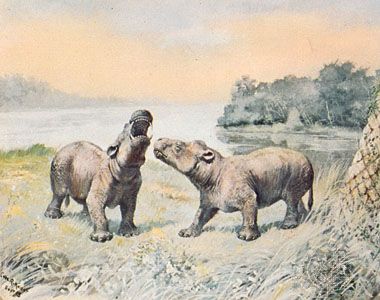
- Ecological Shifts: As climates cooled in the late Eocene, rainforests transitioned into more open forests and grasslands. This environmental change triggered further evolutionary turnover, leading to the disappearance of primitive herbivores like brontotheres and favoring more efficient groups such as rodents more efficient groups such as rodents.311
What were some of the significant plant and animal species that evolved or thrived during the Eocene?
The Eocene Epoch was a transformative period for life on Earth, marked by the emergence and diversification of many modern biological groups. The warm, humid climate supported widespread subtropical and temperate forests, providing diverse habitats for evolving species.3
Significant Animal Species
The Eocene is defined by the appearance of several key mammalian groups that replaced archaic Paleocene lineages:
- Ungulates: The epoch saw the rise of perissodactyls (odd-toed ungulates) and artiodactyls (even-toed ungulates). Notable among these was the dawn horse, or Eohippus, an early ancestor of the modern horse.3
- Marine Mammals: The fossil record from this time provides the first evidence of fully aquatic mammals, including early cetaceans (whales, porpoises, and dolphins) and sirenians, which are related to modern manatees and dugongs.](https://www.britannica.com/animal/sirenian), which are related to modern manatees and dugongs.3
- Other Mammals: The epoch also marked the first appearance of elephant-like animals and early bats. Meanwhile, rodents began to thrive, often usurping the ecological niches previously held by archaic primates.3
- Invertebrates and Birds: Gastropods underwent significant diversification, and many bird orders that are considered essentially modern first appeared during this time.3
Flora
The landscape was dominated by lush, widespread forests. In regions like present-day Oregon, the vegetation consisted of trees and plants similar to those found today in Central and South America, reflecting the warm, humid conditions that characterized much of the Eocene.3
Sources
- Climate change - Cenozoic climates — Encyclopædia Britannica
- Paleocene-Eocene Thermal Maximum — Encyclopædia Britannica
- Eocene Epoch — Encyclopædia Britannica
- Tertiary Period - Paleogeography — Encyclopædia Britannica
- Cryogenian Period: Top Questions — Encyclopædia Britannica
- Climate change - Volcanic activity — Encyclopædia Britannica
- plate tectonics - Plate tectonics and the geologic past — Encyclopædia Britannica
- Earth sciences - The theory of plate tectonics — Encyclopædia Britannica
- paleoceanography — Encyclopædia Britannica
- Climate change - Phanerozoic climates — Encyclopædia Britannica
- Tertiary Period - The rise of mammals — Encyclopædia Britannica
- Paleocene Epoch — Encyclopædia Britannica
- Miocene Epoch — Encyclopædia Britannica
- Oligocene Epoch — Encyclopædia Britannica
Published on · 4 min read