Dioon
Dioon is a genus comprising 10 species of cycads within the family Zamiaceae, native to Mexico and Central America. These plants are characterized by a…
What is Dioon?
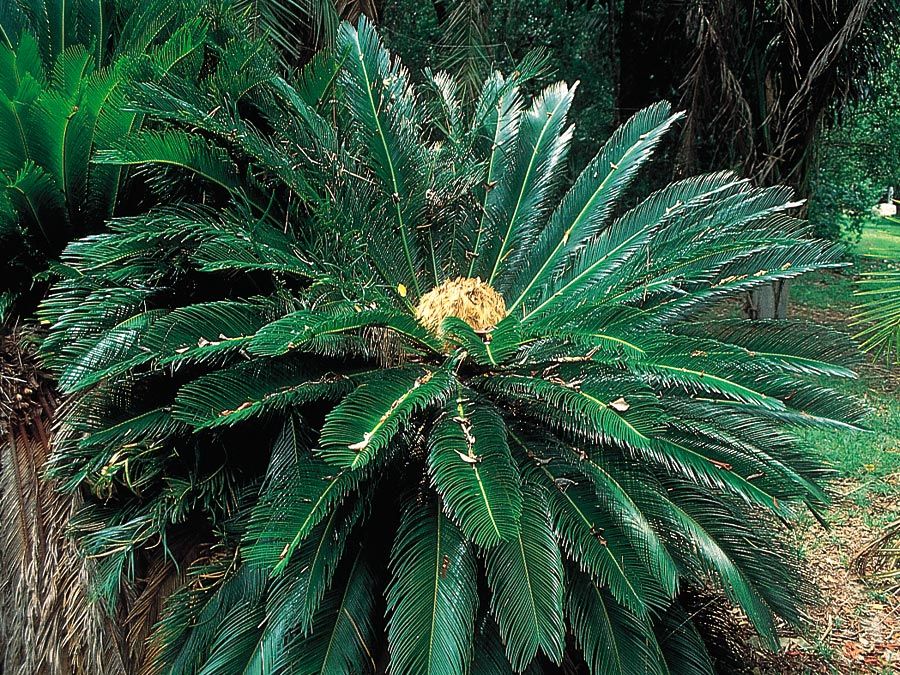
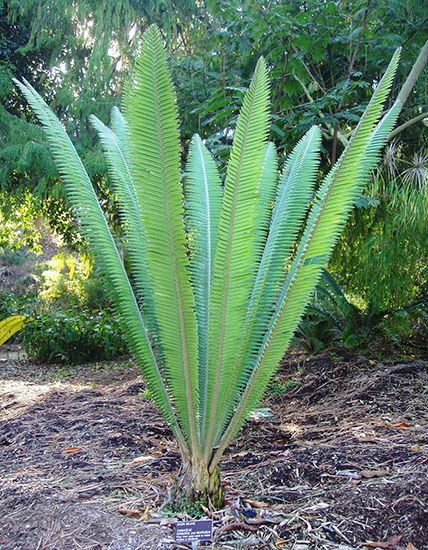
Dioon is a genus comprising 10 species of cycads within the family Zamiaceae, native to Mexico and Central America. These plants are characterized by a somewhat conical trunk topped with a large tuft of pinnate leaves featuring spine-tipped pinnae.12
Among the species, the giant dioon (Dioon spinulosum) is notable for its slow growth and potential to reach heights of up to 15 meters (about 50 feet). It is frequently cultivated as an ornamental plant in warmer climates and is also popular as a houseplant. Additionally, the seeds of the chestnut dioon (D. edule) are used to produce a starch similar to arrowroot. The name is derived from the Greek word ōion, meaning “egg”.12
What are the main characteristics of cycads?
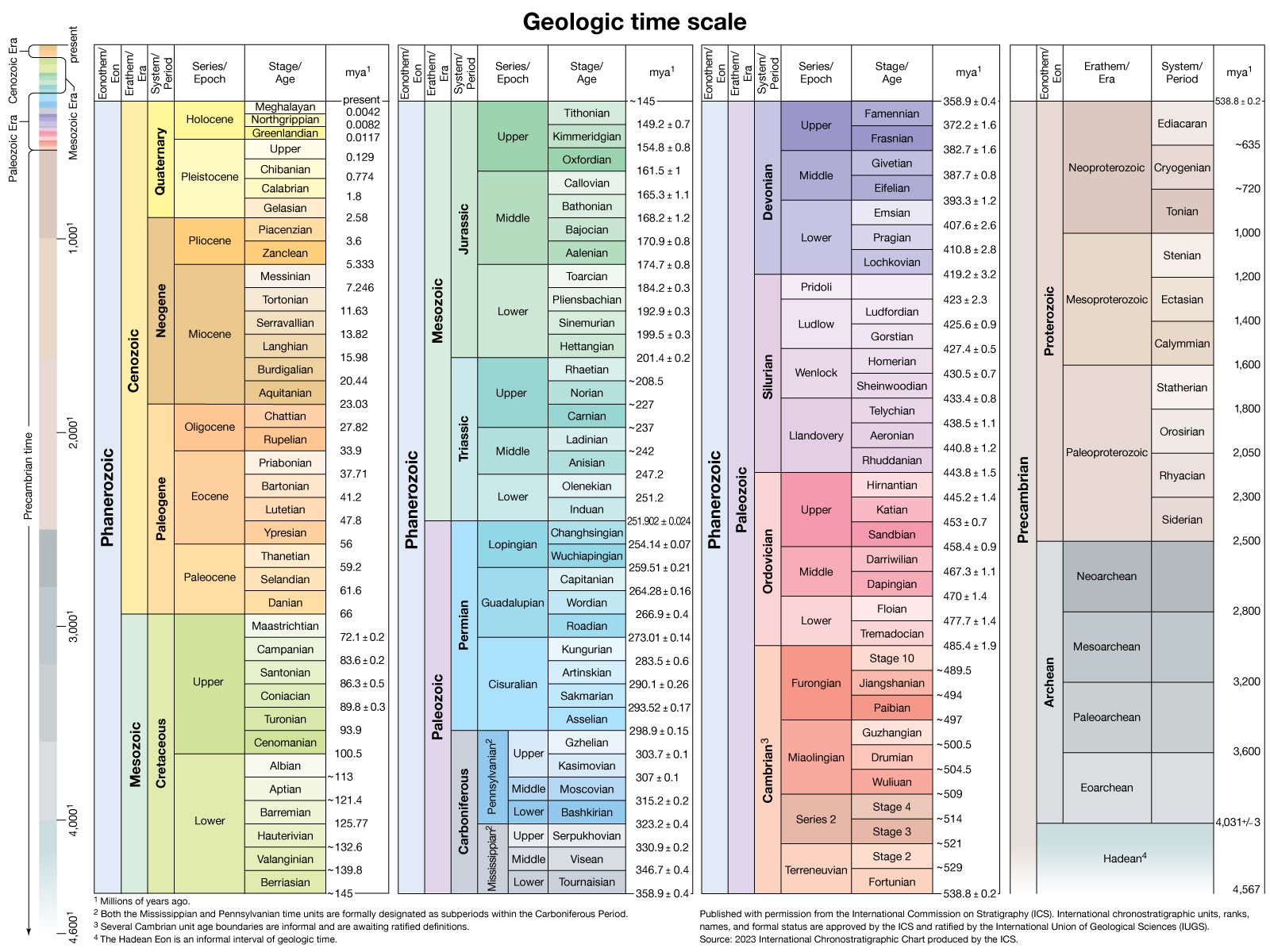
Cycads are a group of ancient, palmlike gymnosperms that flourished during the Mesozoic Era and are represented today by about 310 species across three families: Cycadaceae, Stangeriaceae, and Zamiaceae.3
Physical Characteristics
- Stems: Cycads typically possess stout, pachycaulous (thick) stems that are either tall and arborescent or partially buried and tuberous. Internally, these stems are soft and fleshy, containing a large pith and relatively little woody tissue.43
- Leaves: They are distinguished by crowns of large, pinnately compound leaves that grow in a whorl from the top of the trunk.3
- Reproduction: Cycads are dioecious, meaning male and female reproductive structures are borne on separate plants. Most species produce cones at the end of the trunk, though in the genus Cycas, seeds are borne on modified leaves rather than in compact cones. They utilize flagellated, motile male gametes for fertilization.53
Ecology and Uses
Cycads are primarily found in subtropical habitats, ranging from rainforests to scrublands. Due to their slow growth and aesthetic appeal, many are cultivated as ornamental plants. Some species provide edible starch from their stems or roots, and certain seeds are also edible, though they often require careful preparation to remove toxins. Many species are currently endangered due to overharvesting and habitat loss.673
How do cycads reproduce compared to flowering plants?
Cycads and flowering plants (angiosperms) exhibit fundamental differences in their reproductive strategies, primarily concerning how they protect their ovules and facilitate fertilization.
Key Reproductive Differences
- Ovule Protection: In cycads, which are gymnosperms, the ovules are “naked,” meaning they are exposed on the surfaces of megasporophylls or within simple cones (strobili). Conversely, angiosperms contain their ovules within a specialized, hollow organ called the pistil, which later develops into a fruit.910
- Pollination Mechanism: Cycads rely on a pollination droplet; the ovule secretes a fluid that catches wind-borne pollen and draws it inside. In flowering plants, pollen is deposited on the stigma, where it germinates to grow a pollen tube through the pistil toward the ovule.910
- Fertilization: Cycads produce large, multiflagellate (motile) sperm that swim to the egg. Angiosperms utilize double fertilization: one sperm fertilizes the egg to form an embryo, while another fuses with subsidiary nuclei to initiate the formation of endosperm, a nutrient-rich tissue.1110
- Gametophyte Complexity: Cycads produce larger, more complex gametophytes with more cells than the highly reduced gametophytes found in angiosperms. Furthermore, cycads often store food in the gametophyte before fertilization occurs, whereas angiosperms typically delay food storage until after fertilization, which is more energy-efficient.1112
Why are some cycad species considered endangered?
Many cycad species are considered endangered primarily due to human activity, specifically the overharvesting of these plants from the wild. Because cycads are slow-growing and highly desirable as ornamental specimens for gardens and greenhouses, they are frequently targeted by collectors. This illegal collection, or poaching, poses a significant threat to their survival in nature, pushing many species toward being classified as endangered or critically endangered.76
In addition to the pressures of the ornamental plant trade, cycads face threats from habitat loss. While international trade in these plants is strictly regulated by the Convention on International Trade in Endangered Species (CITES) to help curb exploitation, the combination of slow reproductive cycles and the removal of mature plants from their native environments continues to jeopardize their long-term viability.14764
Sources
- Dioon — Encyclopædia Britannica
- Dioön — Merriam-Webster
- Did you know? — Merriam-Webster
- cycadophyte - Gametophyte phase — Encyclopædia Britannica
- cycadophyte - Stem — Encyclopædia Britannica
- cycad — Encyclopædia Britannica
- cycadophyte - Ecology and habitats — Encyclopædia Britannica
- Cycas — Encyclopædia Britannica
- cycadophyte - Sporophyte phase — Encyclopædia Britannica
- angiosperm - General features — Encyclopædia Britannica
- pollination — Encyclopædia Britannica
- plant reproductive system - Gymnosperms — Encyclopædia Britannica
- cycadophyte - Sporophylls and strobili — Encyclopædia Britannica
- poaching — Encyclopædia Britannica
Published on · 3 min read