Box
A box is primarily defined as a rigid, typically rectangular container, often featuring a cover, used for storage or transport. Beyond this physical…
What is box?
A box is primarily defined as a rigid, typically rectangular container, often featuring a cover, used for storage or transport. Beyond this physical definition, the term is highly versatile and used in various contexts:1
- Enclosures and Spaces: It can refer to a small compartment or demarcated area, such as a theater box, a jury box, or a marked space on a page or sports field.1
- Equipment: The term often describes self-contained electronic devices, including televisions or signaling apparatuses.12
- Figurative Usage: It can represent a predicament or a difficult situation, as in being “in a box,” or refer to conventionality, as in the phrase “think outside the box”.12
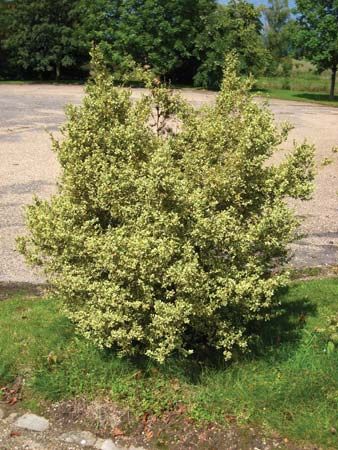
- Etymology: The word originates from the Middle English box, derived from the Late Latin buxis and the Greek pyxis, which referred to the box tree.1
What is the history of the word box?
The word “box” has a long history, with its origins dating back to before the 12th century. The term evolved from the Middle English box, which traces back to the Old English and the Late Latin buxis. Ultimately, the word is derived from the Greek pyxis, which referred to the box tree (pyxos).
While the noun referring to a container has been in use since before the 12th century, the verb form—meaning to enclose something in or as if in a box—did not appear until 1545. The term has since expanded significantly in meaning, moving from a simple description of a wooden container to encompassing various compartments, electronic devices, and even figurative concepts like “thinking outside the box” or being in a “predicament.”
How are different materials like cardboard and wood used to make boxes?
The selection of materials for box manufacturing depends on the weight, nature, and requirements of the goods being transported or stored. Manufacturers prioritize efficiency, cost-effectiveness, and protection when choosing between materials like cardboard and wood.5
Cardboard and Paperboard
Cardboard, or paperboard, is the most widely used material for consumer packaging because it is lightweight, inexpensive, and easily manufactured.5
- Composition: It is typically made from wood pulp, straw, or wastepaper.6
- Types: Fibreboard (solid or corrugated) is favored for shipping containers weighing less than 220 pounds (100 kg). Chipboard is a specific, inexpensive type used for cartons where high strength is not required; it can be coated with wax or lined with various papers to suit products like cereal, candy, or cosmetics.57
- Processing: Sophisticated machinery is used to efficiently open, fill, and seal these containers.5
Wood
Wood is primarily utilized for heavy or bulky loads exceeding 220 pounds (100 kg).5
- Applications: Timber cases and crates provide the structural integrity necessary for substantial goods.5
- Evolution: In many logistics operations, wooden pallets have replaced traditional crates to improve handling efficiency.5
What does the phrase ‘think outside the box’ mean?
The phrase “think outside the box” refers to the act of exploring ideas that are creative, unusual, and not restricted by traditional rules or conventional thinking.89
In the context of creative thinking, this approach aligns with the concept of divergent thinking, which seeks to uncover new information or original solutions to problems. While traditional or logical thinking often follows established patterns, “thinking outside the box” encourages an individual to move beyond rigid preconceptions and constraints. This process is often associated with insight—a sudden restructuring or reorganization of how a problem is perceived—allowing the thinker to discover innovative ways to cope with novel situations.110
Sources
- box — Merriam-Webster
- boxes — Merriam-Webster
- box — Merriam-Webster
- box — Merriam-Webster
- packaging — Encyclopædia Britannica
- papermaking - Paperboards — Encyclopædia Britannica
- chipboard — Encyclopædia Britannica
- think outside the box — Merriam-Webster
- thought - Creative thinking — Encyclopædia Britannica
- thought - The process of thought — Encyclopædia Britannica
Published on · 3 min read