Brahman
Purebred Brahman cattle are primarily utilized for breeding purposes rather than for meat production, and they are seldom slaughtered. Because of this, they…
How does the meat quality of Brahman cattle compare to other beef cattle breeds?
Purebred Brahman cattle are primarily utilized for breeding purposes rather than for meat production, and they are seldom slaughtered. Because of this, they are most frequently valued for their ability to be crossbred with other beef breeds to improve hardiness in challenging climates, such as areas with high heat, humidity, and pests.1
When Brahmans are crossed with other breeds, the resulting offspring often produce meat that is notably low in fat. In the context of meat quality, fat content—specifically marbling—is a key factor that contributes to the tenderness of beef, as the fat melts during cooking to act as a lubricant within the muscle tissue. While specific comparative data on the flavor or texture profiles of pure Brahman meat versus other breeds is not detailed in the provided records, the focus on crossbreeding highlights a strategic effort to balance the environmental resilience of the Brahman with the meat-quality traits of other established beef breeds.123
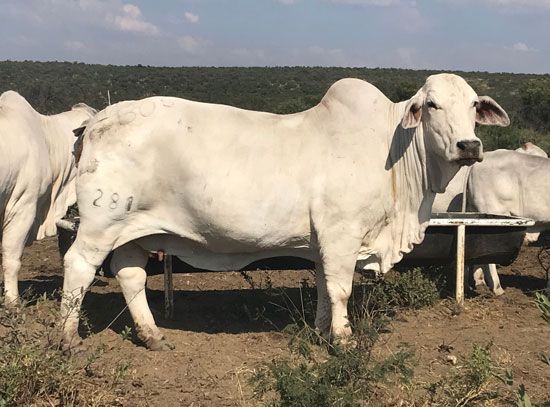
What are the distinctive physical characteristics of Brahman cattle?
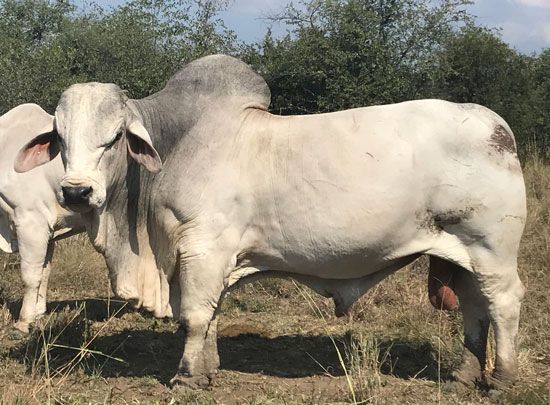
Brahman cattle are easily identified by several distinct physical features that reflect their origins as Bos indicus (humped cattle).15
Key Physical Characteristics
- Shoulder Hump: The most prominent feature is a large, pronounced hump of fat and muscle located over the shoulder and neck area.15
- Ears: They possess characteristic drooping ears, which are a hallmark of the breed.1
- Horns: The horns typically curve upward and backward.1
- Coloration: While gray is the most prevalent color—often featuring deep shading in the fore and rear quarters of the bull—a solid red strain has also been developed.1
These physical traits are often present to a lesser extent in crossbred varieties, such as the Beefmaster, Brangus, or Charbray, which were developed to combine the Brahman’s environmental resilience with the meat-quality traits of other breeds.1
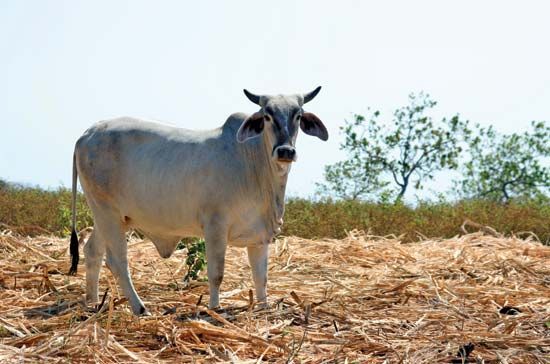
How have Brahman cattle been used in crossbreeding programs to improve other cattle breeds?
Brahman cattle are extensively used in crossbreeding programs to introduce essential environmental resilience into other beef breeds. Because they originate from Bos indicus stock, they possess natural resistance to heat, humidity, and pests that often plague northern European cattle breeds in tropical or subtropical climates.614
By crossing Brahmans with established beef breeds, breeders have developed several standardized, hardy cattle varieties:
- Santa Gertrudis: Developed at the King Ranch in Texas, this breed consists of approximately 3/8 Brahman and 5/8 Shorthorn blood, combining heat resistance with high-quality beef production.74
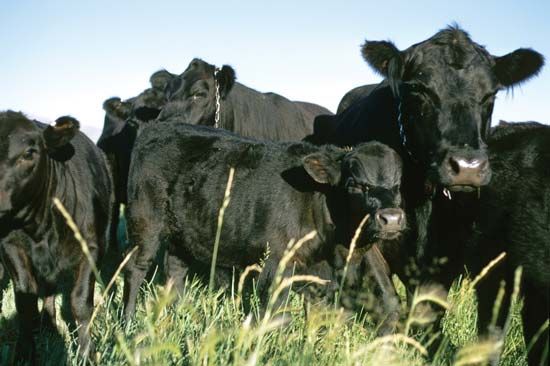
- Brangus: A cross between Brahman and Angus cattle, standardized at 3/8 Brahman and 5/8 Angus. This breed merges the Brahman’s hardiness with the superior carcass qualities of the Angus.64
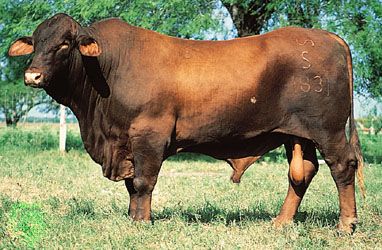
- Beefmaster: Developed through a mix of Brahman, Hereford, and Shorthorn, this breed emphasizes traits like fertility, weight, and milk production alongside environmental hardiness.64
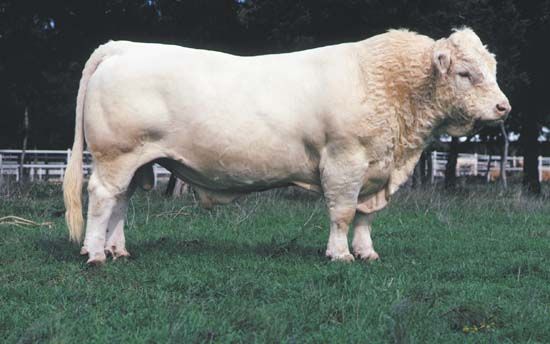
- Charbray: A cross between the Brahman and the Charolais.6
These programs allow producers to maintain the productivity of high-quality beef breeds while ensuring the animals can thrive in challenging southern environments.4
What are some common uses of Brahman cattle in the beef and dairy industries?
Brahman cattle are primarily utilized in the beef industry, though their role is distinct from that of many other breeds. Because they are highly valued for their environmental resilience—specifically their resistance to heat, humidity, and pests—they are most commonly used in crossbreeding programs rather than as a primary source of beef themselves.187
Primary Uses in the Beef Industry
- Genetic Improvement: Purebred Brahmans are used extensively for breeding to introduce hardiness into other cattle populations. By crossing them with northern European beef breeds, producers create offspring that can thrive in tropical and subtropical climates where standard breeds might struggle.178
- Development of Standardized Crossbreeds: Brahman genetics are foundational to several major beef breeds, including the Santa Gertrudis, Brangus, and Beefmaster. These breeds combine the Brahman’s environmental adaptability with the superior carcass and meat qualities of breeds like the Angus and Shorthorn.18
Dairy Industry
While the provided information notes that some cattle breeds are specifically developed for milk production, purebred Brahmans are not typically categorized as primary dairy animals in modern commercial operations. Their primary economic contribution remains the enhancement of beef cattle herds through crossbreeding.4817
Sources
- Brahman — Encyclopædia Britannica
- Cow - Beef cattle breeds — Encyclopædia Britannica
- meat processing - Fat — Encyclopædia Britannica
- Beef cattle breeds — Encyclopædia Britannica
- humped cattle — Merriam-Webster
- Santa Gertrudis: Top Questions — Encyclopædia Britannica
- Origins of agriculture - Beef cattle — Encyclopædia Britannica
- Cow - Domestication and economic production — Encyclopædia Britannica
Published on · 3 min read