Arugula
Arugula (subspecies Eruca vesicaria sativa) is an annual herb belonging to the mustard family, Brassicaceae. It is widely cultivated for its pungent…
What is arugula and where does it originate from?
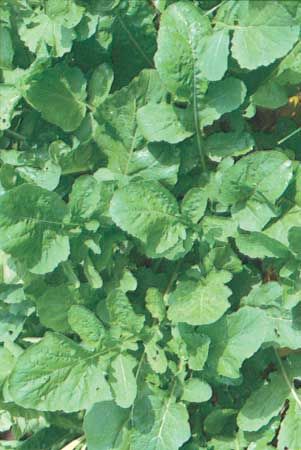
Arugula (subspecies Eruca vesicaria sativa) is an annual herb belonging to the mustard family, Brassicaceae. It is widely cultivated for its pungent, peppery, and nutty-flavored leaves, which are commonly used in salads.12
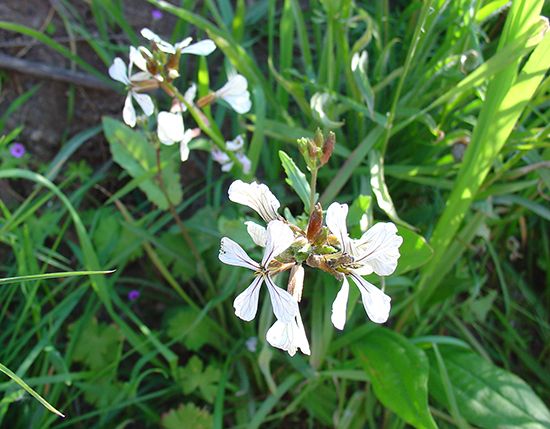
The plant is native to the Mediterranean region. It typically grows as a basal rosette of leaves and thrives in cooler weather, though it can reach heights of up to 70 cm (2.5 feet) when it bolts in midsummer. Beyond its culinary use, the plant is a notable source of calcium, iron, and vitamins A, C, and K. Additionally, a spicy oil can be extracted from its seeds for use in folk medicine.12
What are the nutritional benefits of eating arugula?
Arugula is a nutrient-dense leafy green that offers several health-promoting vitamins and minerals. Incorporating these leaves into your diet provides a good source of the following essential nutrients:
- Vitamins: It is rich in vitamin A, which supports vision and immune function; vitamin C, an important antioxidant; and vitamin K, which is vital for bone health and blood clotting.1
- Minerals: Arugula provides calcium, which is necessary for maintaining strong bones and teeth, and iron, which is essential for oxygen transport in the blood.1
Because of its peppery, nutty flavor, it is a popular choice for salads and other raw preparations, allowing you to easily integrate these nutrients into your daily meals.1
What is the scientific name of arugula and which plant family does it belong to?
The scientific name of arugula is Eruca vesicaria sativa, and it belongs to the mustard family, known as Brassicaceae.1
What other vegetables belong to the Brassicaceae family?
The Brassicaceae family, also known as the mustard family or crucifers, includes a wide variety of economically important agricultural crops and vegetables. Many of these are members of the genus Brassica, while others belong to different genera within the family.
Common vegetables in the Brassicaceae family include:
- Broccoli
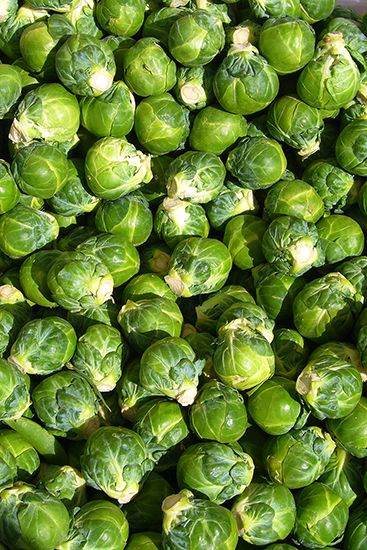
- Brussels sprouts
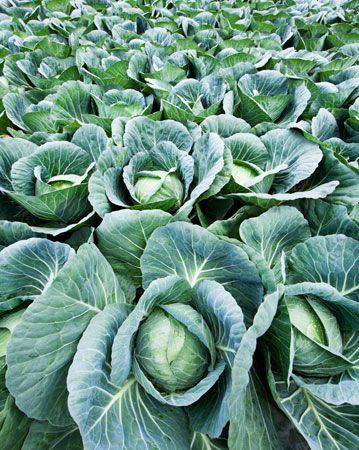
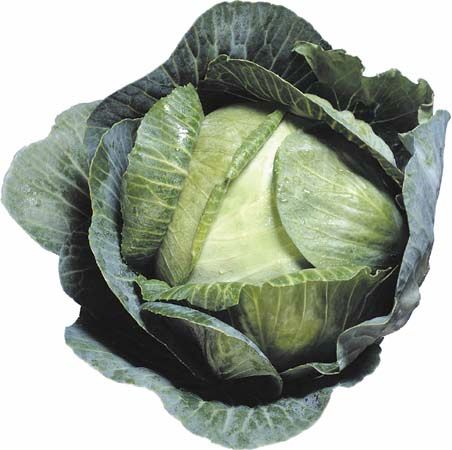
- Cabbage (including napa cabbage)
- Cauliflower
- Horseradish
- Kale
- Kohlrabi
- Mustard (including brown mustard and white mustard)
- Radishes
- Rutabaga
- Turnips
- Watercress
These plants are characterized by their four-petaled, cross-shaped flowers and the presence of sulfur-containing compounds called glucosinolates, which give many of them their distinct, pungent flavor.345
Sources
- arugula — Encyclopædia Britannica
- arugula — Merriam-Webster
- brassica — Encyclopædia Britannica
- Brassicales - Brassicaceae , Capparaceae, and Cleomaceae — Encyclopædia Britannica
- Brassicaceae — Encyclopædia Britannica
Published on · 2 min read