Brassica
Brassica is a genus of 37 species of flowering plants within the mustard family (Brassicaceae). Native to Europe and temperate Asia, these plants are widely…
What is brassica?
Brassica is a genus of 37 species of flowering plants within the mustard family (Brassicaceae). Native to Europe and temperate Asia, these plants are widely cultivated as important agricultural crops.1
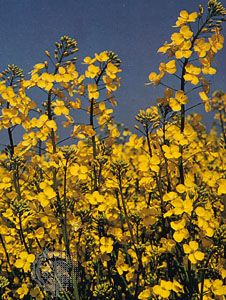
Commonly known for their pungent flavor and diverse growth habits, brassicas often feature waxy, bluish-green leaves. Many species are biennials that produce clusters of four-petaled flowers and dry fruits called siliques1.
Economically significant members of this genus include:
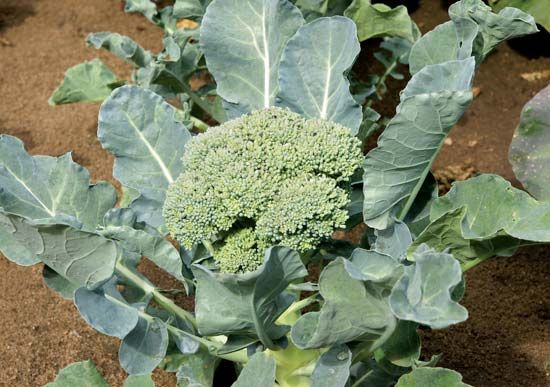
- Broccoli
- Brussels sprouts
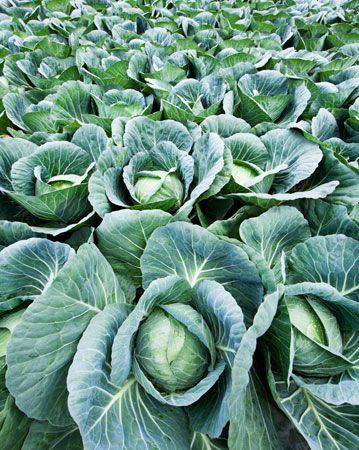
- Cabbage
- Cauliflower
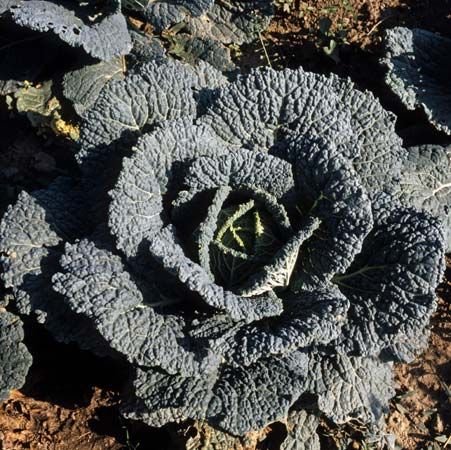
- Kale
- Kohlrabi
- Mustard
- Rape
- Rutabaga
- Turnip1
Beyond their culinary uses, some species are grown for vegetable oil or as leafy greens. While many are staple crops, some varieties are considered invasive species when found outside their native ranges invasive species when found outside their native ranges.21
What are the nutritional benefits of eating Brassica vegetables?
Brassica vegetables, which belong to the Brassicaceae family, are highly regarded for their nutritional density and health-promoting properties.
Key Nutritional Components
These vegetables are excellent sources of essential nutrients, including:
- Dietary Fiber: Supports digestive health.1
- Vitamins: They are rich in vitamin A, vitamin C, and vitamin K.1
- Minerals and Nutrients: They provide folic acid and manganese.1
Health-Promoting Compounds
The distinct taste and health benefits of Brassica plants are largely attributed to glucosinolates, which are sulfur-containing compounds. Among these, sulforaphane is particularly notable. It is an anticarcinogenic isothiocyanate found in vegetables like broccoli and cauliflower. Sulforaphane is thought to function by stimulating the production of enzymes in the body that help detoxify cancer-causing substances.456
By incorporating these nutrient-rich plants into your diet, you benefit from a combination of vital vitamins, minerals, and protective phytochemicals.
How do different Brassica vegetables like broccoli and cabbage share the same ancestor?
Different Brassica vegetables, such as broccoli, cabbage, kale, and cauliflower, share a common ancestor: wild mustard (Brassica).7
The vast diversity seen in these crops today is the result of selective breeding, a practice humans have employed for at least 2,000 years to isolate and propagate specific, desirable traits. By consistently selecting wild mustard plants that exhibited certain characteristics, farmers gradually developed distinct cultivars:1
- Leaves: Selection for large, loose leaves resulted in kale, while selection for leaves folded into compact heads led to cabbage.17
- Flowers and Stalks: Selection for enlarged flower buds led to cauliflower, whereas broccoli was developed for its edible flower buds and stalks.178
- Stems: Selection for expanded, bulbous structures resulted in kohlrabi.7
This process of human-driven selection altered the gene frequencies within these plant populations, effectively driving their evolution into the various forms we recognize today.1
What makes the Brassicaceae family unique compared to other plant families?
The Brassicaceae family, commonly known as the mustard family, is distinguished by several unique botanical and chemical characteristics:
Distinctive Floral Structure
The family is frequently referred to as “crucifers” or “cruciferous” because of its unique flower shape. The flowers are cruciform, meaning they are arranged in the form of a cross with four petals and four sepals. Additionally, they characteristically feature four long and two short stamens and a two-chambered ovary positioned above the other flower parts.4
Chemical Composition
A defining feature of the family is the presence of glucosinolates, sulfur-containing compounds also known as mustard oils. These compounds are responsible for the characteristic pungent taste and smell of many members, such as broccoli and cabbage. While these compounds serve as a chemical defense mechanism to deter herbivores ranging from bacteria to mammals, they also act as an attractant for specific pests, such as the cabbage white butterfly.41
Fruit Morphology
The family produces dry, podlike fruits that are categorized by their length: long, thin fruits are known as siliques, while short, rounded fruits are called silicles.45
Sources
- brassica — Encyclopædia Britannica
- Brown mustard — Encyclopædia Britannica
- Brussels sprouts — Encyclopædia Britannica
- Brassicaceae — Encyclopædia Britannica
- Brassicales — Encyclopædia Britannica
- sulforaphane — Merriam-Webster
- selective breeding — Encyclopædia Britannica
- Cabbage — Encyclopædia Britannica
- Broccoli — Encyclopædia Britannica
Published on · 3 min read