Rangeland
Rangelands are expansive areas characterized by native vegetation, such as grasslands, savannas, and shrublands, that provide essential ecosystem services…
How do rangelands contribute to ecosystem services and biodiversity?
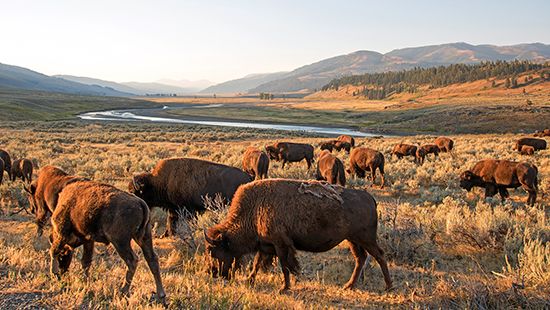
Rangelands are expansive areas characterized by native vegetation, such as grasslands, savannas, and shrublands, that provide essential ecosystem services and support unique biodiversity.
These lands contribute to the environment by:
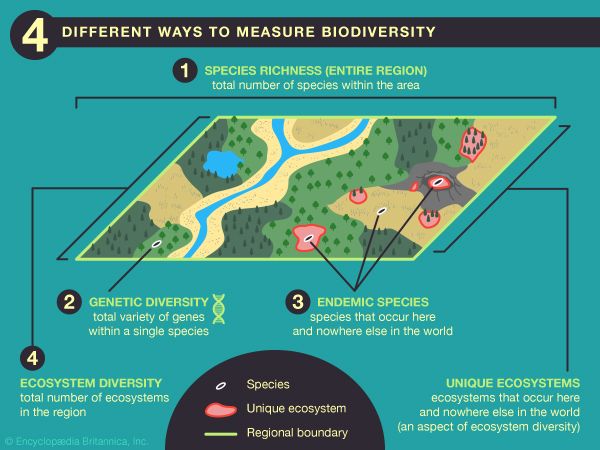
- Supporting Biodiversity: They serve as critical habitats for diverse plant and animal species, including migratory populations that rely on the seasonal productivity of these ecosystems to survive.12
- Resource Provision: Beyond supporting wild and domestic herbivores, rangelands provide timber, minerals, and recreational opportunities.1
- Ecological Regulation: Through natural processes like fire, rangelands maintain healthy vegetation structures, preventing the encroachment of woody plants and ensuring the dominance of grasses.1
Effective management is vital to protect these services. Practices such as rotational grazing and the use of prescribed burns help maintain soil health, water infiltration, and plant vitality. Conversely, overgrazing and invasive species threaten these ecosystems by causing erosion, desertification, and the loss of native species. Ethical stewardship, including the integration of Indigenous knowledge, is essential to ensure these lands remain productive and resilient for the future.1
What are the primary uses of rangelands for livestock grazing?
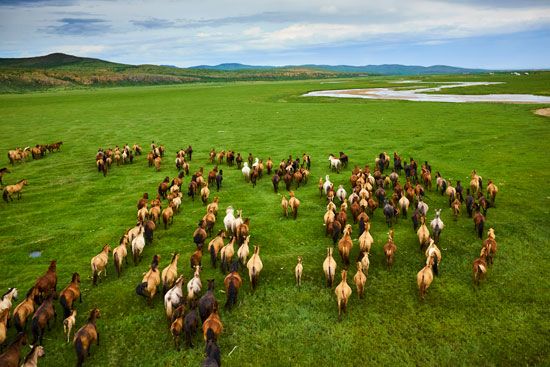
Rangelands serve as vital areas for livestock grazing, primarily by providing natural forage for domestic herbivores in environments often unsuited for permanent cultivation. Unlike intensive agricultural systems that rely on seeding, irrigation, and fertilizers, rangeland management focuses on controlling the number, duration, and season of grazing animals to ensure a sustained yield of forage.1
The primary goal of using these lands for grazing is to balance the nutritional needs of livestock with the health of the ecosystem. Sustainable practices, such as rotational grazing, are employed to move herds frequently, preventing the depletion of native vegetation and protecting soil integrity. When managed effectively, rangelands support both domestic and wild herbivores while simultaneously providing other resources like timber, minerals, and recreational opportunities.1
However, it is essential to recognize that improper grazing can lead to severe degradation, including soil erosion, the loss of native plant diversity, and the encroachment of inedible species. Ethical stewardship, including the integration of traditional knowledge, is crucial to maintaining these lands as productive and resilient resources.1
What is rangeland and how does it differ from other types of land?
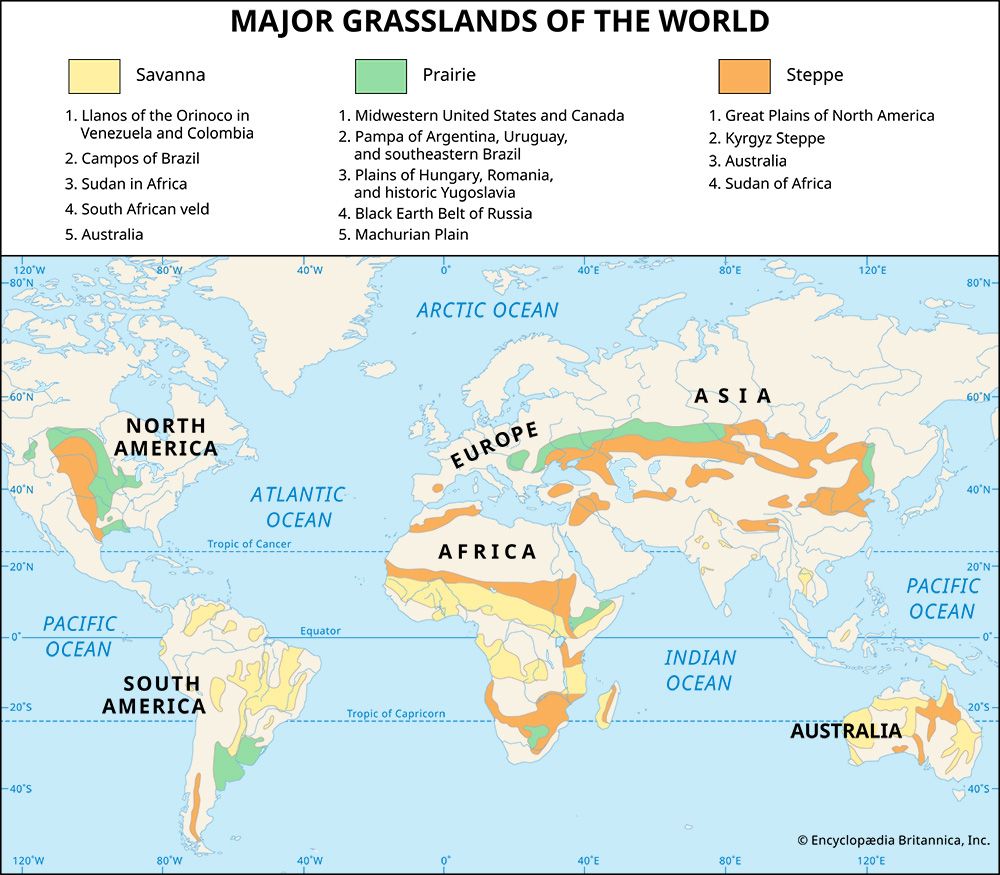
Rangeland refers to any extensive area of land occupied by native herbaceous or shrubby vegetation that is grazed by domestic or wild herbivores. These ecosystems include diverse landscapes such as prairies, steppes, deserts, savannas, and tundras.1
Rangelands are distinguished from pastureland by two primary factors:
- Vegetation: Rangelands are dominated by native plant species, whereas pasturelands typically feature plants established or managed by human societies.1
- Management: Rangelands are managed primarily by controlling the number, duration, and season of grazing animals. In contrast, pasturelands rely on intensive agricultural practices such as seeding, irrigation, and the application of fertilizers.1
Because they are often located in areas unsuited for permanent cultivation or considered marginal for agriculture, rangelands occupy approximately 40–50 percent of Earth’s land area. They are vital for supporting unique biodiversity and sustaining pastoral communities, though they face significant threats from overgrazing and invasive species.1
How do climate change and human activities impact rangelands?
Rangelands are significantly impacted by both human activities and climate change, which often exacerbate desertification and biodiversity loss.15
Human Impacts
Human activities, particularly unsustainable land management, are primary drivers of rangeland degradation:
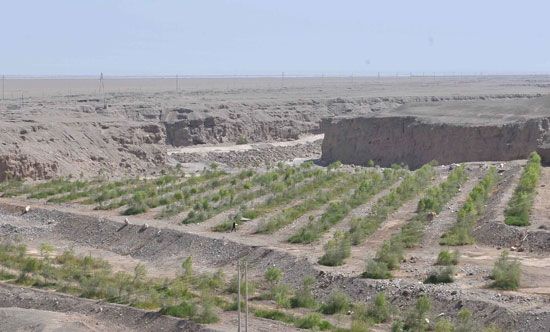
- Overgrazing: This is the most chronic issue, where livestock consume vegetation to the ground, weakening plants and inhibiting photosynthesis. Trampling by herds compacts soil, destroys root systems, and increases erosion, which can lead to the expansion of deserts, such as the southward growth of the Sahara.1
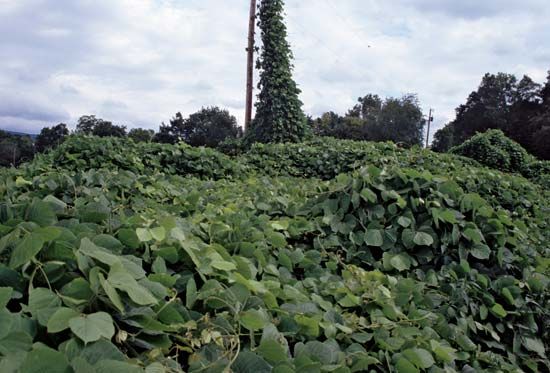
- Invasive Species: Human-introduced species, such as cheatgrass in the United States or rabbits in Australia, outcompete native plants and disrupt local ecosystems.1
- Fire Suppression: The artificial elimination of periodic fires prevents the natural cycle of grass recovery, often allowing woody trees and shrubs to dominate and displace native grasses.1
Climate Change Impacts
Climate change alters the environmental conditions necessary for rangeland health:
- Drought and Rainfall: Shifting weather patterns are increasing the frequency and intensity of droughts, which can cause widespread plant die-offs.65
- Vegetation Shifts: In some regions, increased rainfall may cause savannas to transition into forests or scrublands, while severe droughts may push ecosystems toward desertification.5
Sources
- Rangeland — Encyclopædia Britannica
- Migration - Ecological significance of migration — Encyclopædia Britannica
- rangeland — Merriam-Webster
- Grassland - Biota — Encyclopædia Britannica
- desertification - Solutions to desertification — Encyclopædia Britannica
- Savanna - Threats — Encyclopædia Britannica
Published on · 3 min read