Buckthorn
Buckthorn plants, belonging to the genus Rhamnus, have historically been utilized for their medicinal properties, primarily as purgatives.
What are some of the traditional medicinal uses of buckthorn plants?
Buckthorn plants, belonging to the genus Rhamnus, have historically been utilized for their medicinal properties, primarily as purgatives.
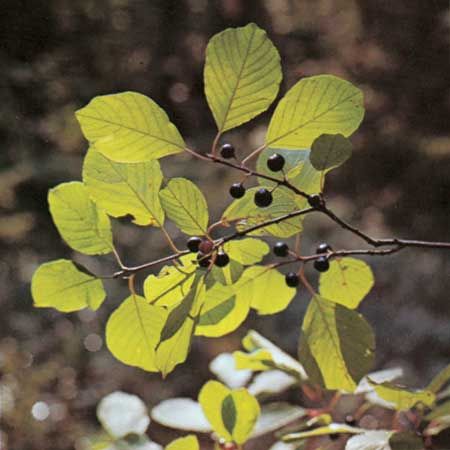
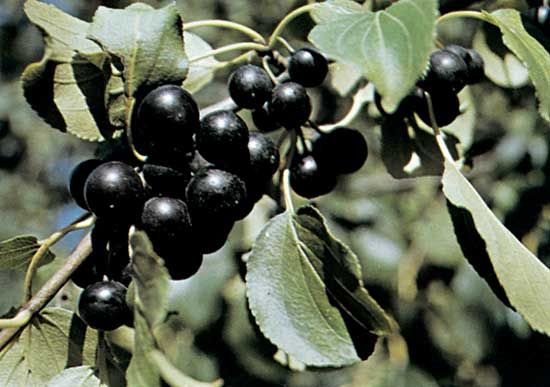
- Common Buckthorn (Rhamnus cathartica): Also known as purging buckthorn, this species produces black berries and bark that have been traditionally used as a laxative or purgative agent.123
- Cascara Buckthorn (R. purshiana): This species is the source of cascara sagrada, a well-known cathartic drug used to treat constipation.2
While these plants have a history of medicinal use, it is important to note that the use of such substances should be approached with caution, as they act as strong purgatives.
How many species are included in the buckthorn genus, and where are they commonly found?
The buckthorn genus, known scientifically as Rhamnus, includes approximately 100 species of shrubs and trees.2
These plants are native to temperate regions throughout the Northern Hemisphere. While they are primarily associated with these temperate areas, members of the broader Rhamnaceae family—which comprises 52 genera and more than 900 species—are distributed worldwide, with a particularly strong presence in tropical and warm temperate regions.24
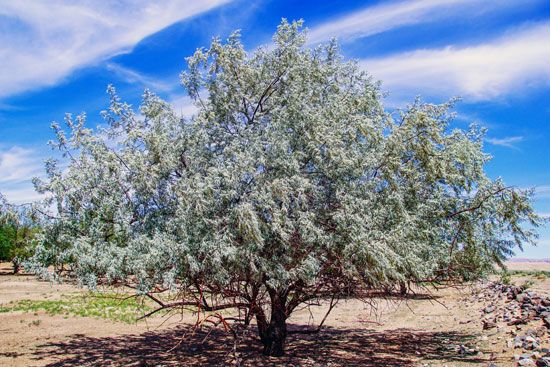
It is important to distinguish the Rhamnus genus from other plants that share the name “buckthorn.” For example, the sea buckthorn (Hippophae rhamnoides) belongs to a different family, the Elaeagnaceae, and is commonly found in the mountains of Europe and Asia, as well as on sand dunes along the coasts of Great Britain.5
How have buckthorn plants been used historically for dyes or other industrial purposes?
Historically, buckthorn plants have been valued for their ability to produce natural pigments used in textile manufacturing.
- Yellow Dyes: The dried, unripe berries of various Rhamnus species—often referred to as “yellow berries”—have been used to create a yellow dye for mordanted wool and cotton. Specifically, the shrub Rhamnus infectoria, known as dyer’s buckthorn, is recognized for yielding this yellow pigment.89
- Green Dyes: The Rhamnaceae family also produces a natural dye known as lokao, which is notable for its ability to color cotton a true green.6
Beyond their use as dyes, members of the buckthorn family are economically significant for other industrial purposes. Certain species, such as the Chinese jujube (Ziziphus jujuba), are prized as valuable timber trees, while other species are utilized for erosion and flood control as essential components of chaparral ecosystems.6
What are some common cultivation practices for buckthorn plants in gardens or landscapes?
It is important to clarify that while some buckthorn species are used as ornamentals, many, such as the common or European buckthorn (Rhamnus cathartica), are considered invasive in many regions and are often discouraged from cultivation due to their tendency to displace native vegetation.
When buckthorn is intentionally included in landscapes, cultivation practices generally focus on their structural utility:
- Hedge Formation: Varieties like the tallhedge buckthorn (R. frangula variety columnaris) are specifically cultivated for their narrow, upright growth habit, making them effective for creating dense, space-efficient hedges.2
- Ornamental Use: Species such as the alder buckthorn and the Italian buckthorn (R. alaternus) are grown for their aesthetic appeal in warm climates. Similarly, the sea buckthorn is valued in gardens for its distinct silvery foliage and bright orange-yellow fruits.25
- Site Selection: Because these plants are native to diverse environments—ranging from mountain slopes to coastal sand dunes—cultivation success depends on matching the specific species to its preferred soil and light conditions.25
We could dive deeper into the environmental risks associated with invasive buckthorn species or discuss native alternatives for your garden.
Sources
- common buckthorn — Merriam-Webster
- buckthorn — Encyclopædia Britannica
- purging buckthorn — Merriam-Webster
- Rosales - Distribution and abundance — Encyclopædia Britannica
- sea buckthorn — Encyclopædia Britannica
- Rosales - Rhamnaceae — Encyclopædia Britannica
- alder buckthorn — Encyclopædia Britannica
- buckthorn berries — Merriam-Webster
- dyer's buckthorn — Merriam-Webster
Published on · 3 min read