Brown Mustard
Brown mustard (Brassica juncea), also known as Indian mustard, is an herbaceous plant in the Brassicaceae family native to the Himalayas. It is primarily…
What is Brown mustard?
Brown mustard (Brassica juncea), also known as Indian mustard, is an herbaceous plant in the Brassicaceae family native to the Himalayas. It is primarily cultivated for its pungent seeds, which serve as a key source for the mustard condiment, as well as for its edible leaves and vegetable oil.12
The plant is stronger in flavor than white mustard and is a staple in French-type paste mustards. Beyond its culinary uses, brown mustard is an important industrial crop in regions like India, China, and Pakistan, where its oil is extracted for food or manufacturing, and the residual cake is utilized for animal feed.12
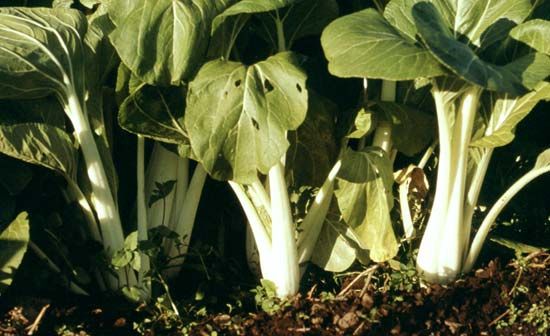
Easy to grow and highly adaptable to various soils, the plant has largely replaced black mustard in commercial production due to its suitability for mechanized harvesting. Its leaves are also widely consumed as greens or potherbs in many parts of Asia and Africa.1
How does the chemical reaction in mustard seeds create their signature heat?
The signature heat of mustard is not present in the dry, whole seeds. Instead, it is generated through a chemical reaction that occurs when the seeds are chewed or when ground mustard flour is mixed with water.3
This process involves the interaction of two specific constituents found within the seeds: a strong enzyme called myrosin and a glucoside. When these components combine, they produce an oil that does not exist in the plant in its dormant state:3
- In brown mustard: The reaction yields a volatile oil characterized by a pungent, irritating odor and an acrid, sharp taste.3
- In white mustard: The reaction produces sinalbin mustard oil, a nonvolatile oil that lacks a strong odor but creates a distinct sensation of heat on the tongue.3
Because this reaction is triggered by moisture, mustard powder is often mixed with water immediately before serving to ensure the maximum release of aroma and flavor.3
What are the main differences between white and brown mustard plants?
White and brown mustard plants share many similarities, such as their membership in the Brassicaceae family and their fully mechanized cultivation in temperate regions3. However, they differ significantly in their origins, flavor profiles, and culinary applications.31
Key Differences
Feature
White Mustard (
Sinapis alba
)
Brown Mustard (
Brassica juncea
)
Origin
Mediterranean region
Himalayas
Seed Color
Light yellow
Dark yellow
Flavor
Milder, heat on the tongue
Pungent, acrid, and irritating
Oil Type
Nonvolatile (sinalbin oil)
Volatile (pungent oil)
Primary Uses
American/German-style pastes
French-style pastes, greens, oil
Distinct Characteristics
- Culinary Profile: Brown mustard is notably stronger than white mustard. When mixed with water, brown mustard releases a volatile oil that provides a sharp, pungent aroma, whereas white mustard produces a nonvolatile oil that creates a sensation of heat primarily on the tongue without a strong odor.4
- Plant Versatility: While both are grown for their seeds, brown mustard is highly valued as a leafy vegetable and a source of vegetable oil in many parts of Asia and Africa. White mustard is often utilized as a green manure or fodder crop in addition to its use as a condiment.31
How is mustard oil extracted and used for industrial purposes?
Brown mustard (Brassica juncea) is a significant source of vegetable oil, particularly in regions such as northern India, Pakistan, China, southern Russia, and Kazakhstan. The seeds contain approximately 30 to 40 percent oil, which serves as a high-energy reserve for the plant.135
Extraction and Industrial Use
The extraction process typically involves pressing the seeds to separate the oil from the solid components. After the oil is extracted, the remaining material, known as the residual cake or meal, is a valuable by-product frequently used as animal feed due to its high protein content.15
Beyond its primary use as a food product, mustard oil is utilized for various industrial purposes. While the search results do not detail the specific chemical manufacturing processes, vegetable oils in general are widely employed in the production of:1
Historically, plant-derived oils were also essential for applications such as oil-burning lamps and lubrication.5
Sources
- Brown mustard — Encyclopædia Britannica
- brown mustard — Merriam-Webster
- mustard — Encyclopædia Britannica
- white mustard — Encyclopædia Britannica
- Oil plant — Encyclopædia Britannica
Published on · 3 min read