Whitlow Grass
Whitlow grass refers to a genus of plants known as Draba, which belongs to the mustard family (Brassicaceae). Despite their name, these plants are not true…
What is whitlow grass?
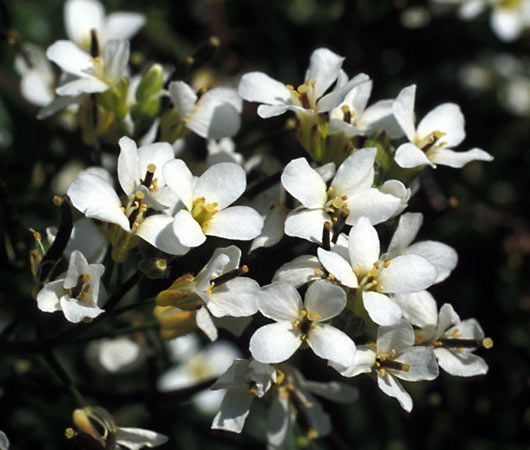
Whitlow grass refers to a genus of plants known as Draba, which belongs to the mustard family (Brassicaceae). Despite their name, these plants are not true grasses.1
The genus includes over 300 species, primarily found in the northern temperate regions and mountainous areas of the New World, though some are native to Europe. These plants typically bloom in the spring, producing small white or yellow flowers with four petals.1
Notable species include:
- Common whitlow grass (Draba verna): A low-growing annual with rosettes of narrow leaves and white flowers, which has naturalized in North America.1
- Yellow whitlow grass (D. aizoides): A European species characterized by its yellow flowers.1
- Twisted or hoary whitlow grass (D. incana): Distinguished by leaves on its stems and white flowers with notched petals.1
Historically, these herbs were believed to have medicinal properties capable of curing whitlow, an infection of the finger or toe.2
Why is it called whitlow grass if it is not a true grass?
The name “whitlow grass” is a historical misnomer rather than a botanical classification. These plants are not true grasses, which belong to the family Poaceae and typically feature hollow, round stems and bladelike leaves.21
The term originated from the plant’s historical association with the medical condition known as a whitlow—a painful, fluid-filled infection of the fingertip. In earlier centuries, these herbs were believed to possess medicinal properties capable of curing such infections. The name is derived from an older term, “whiteblowe grass,” where “whiteblowe” was an alteration of the Middle English word whitflowe (whitlow), combined with the word “grass,” which was historically used more broadly to describe various small, low-growing herbs.345
Because these plants were small, inconspicuous, and often grew in patches, they were colloquially labeled as “grass” by early observers, despite their actual membership in families like Brassicaceae or the saxifrage family.32
What are some other plants in the mustard family?
The mustard family (Brassicaceae) is a diverse group of over 3,700 species, many of which are economically significant as food crops or ornamental plants. These plants are often called “crucifers” because their flowers feature four petals arranged in a cross shape.789
Economically Important Food Crops
Many common vegetables belong to this family, particularly within the genus Brassica:
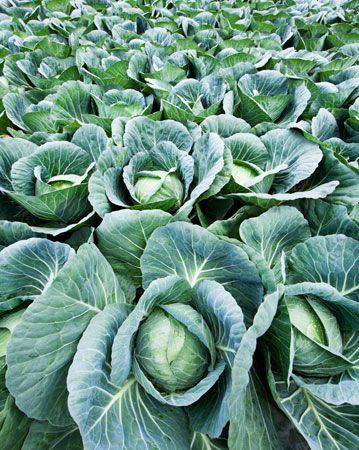
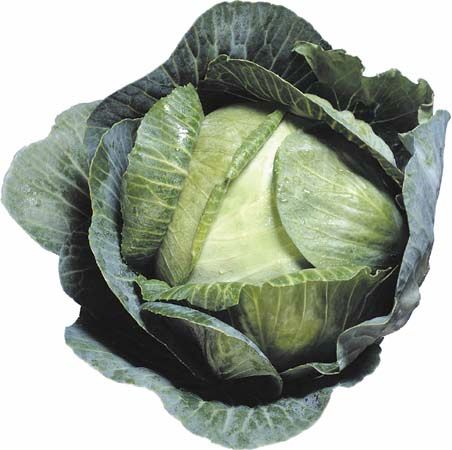
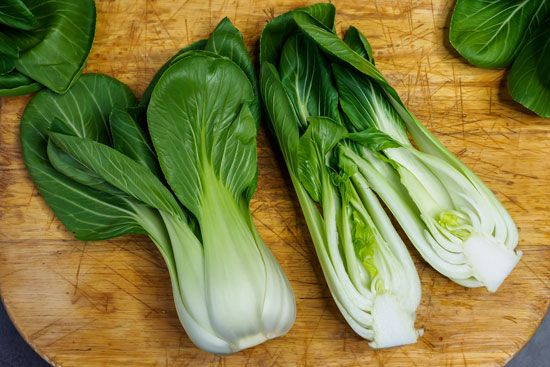
- Leafy and Stem Vegetables: Cabbage, kale, collard, bok choy, napa cabbage, and Brussels sprouts.79
- Flower and Bud Vegetables: Broccoli, cauliflower, and kohlrabi.710
- Root and Pungent Crops: Radish, horseradish, turnip, rutabaga, and wasabi.79
- Greens and Seeds: Arugula, watercress, peppergrass, brown mustard, and white mustard.78
Ornamental Species
Several members are cultivated for their showy flowers:
- Basket-of-gold (Aurinia saxatilis)
- Candytuft (Iberis species)
- Dame’s rocket (Hesperis matronalis)
- Honesty (Lunaria species)
- Rock cress (Arabis species)
- Stock (Matthiola species)
- Wallflower (Erysimum species)789
How do plants adapt to living on rocky mountain slopes?
Plants living on rocky mountain slopes have evolved specialized strategies to survive in harsh, nutrient-poor environments with limited soil and extreme weather.
Structural Adaptations
- Cushion Growth: Many alpine plants grow in dense, low-lying tufts known as cushion plants. This compact shape protects them from high winds, traps heat, and prevents excessive water loss through transpiration.1112
- Rosette Forms: Plants often grow in rosette patterns within rock crevices and gravel beds, allowing them to remain close to the ground where air temperatures are warmer.11
- Specialized Colonizers: In the most extreme, high-altitude rocky areas, lichens and mosses are the primary vegetation, as they can grow directly on exposed rock surfaces.11
Life Cycle and Thermal Adaptations
- Rapid Development: Because the growing season is often limited to a few months, these plants are typically perennials that complete their life cycles quickly. Many flower shortly after snowmelt and can produce seeds within weeks.11
- Thermal Regulation: Some plants feature hairy flower stalks that retain warm air, raising the temperature near the plant by several degrees. Additionally, flowers often act as solar collectors, reaching temperatures significantly higher than the surrounding air to facilitate development.11
Sources
- whitlow grass — Encyclopædia Britannica
- whitlow grass — Merriam-Webster
- whiteblow — Merriam-Webster
- whitlow — Merriam-Webster
- whitlowwort — Merriam-Webster
- grass — Encyclopædia Britannica
- list of economically important members of the family Brassicaceae — Encyclopædia Britannica
- brassica — Encyclopædia Britannica
- Brassicales - Brassicaceae , Capparaceae, and Cleomaceae — Encyclopædia Britannica
- Brassicaceae — Encyclopædia Britannica
- Tundra - Plant life — Encyclopædia Britannica
- cushion plant — Merriam-Webster
- cushion moss — Encyclopædia Britannica
Published on · 3 min read