Brown Rat
The brown rat (Rattus norvegicus), also known as the Norway rat, is a highly adaptable rodent found on every continent except Antarctica. Despite its common…
What is a brown rat?
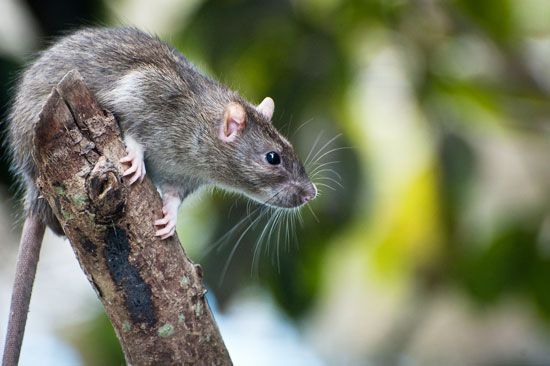
The brown rat (Rattus norvegicus), also known as the Norway rat, is a highly adaptable rodent found on every continent except Antarctica. Despite its common name, the species is native to Asia, specifically northern China or Mongolia.12
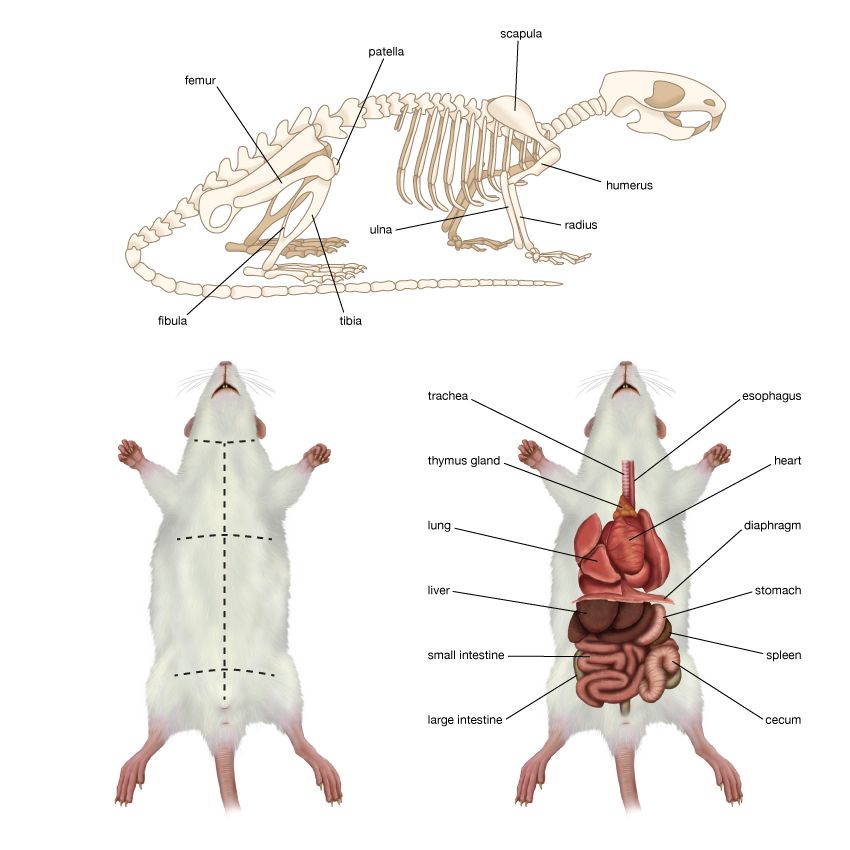
Physically, the brown rat is larger than the house rat (Rattus rattus), weighing up to 0.5 kg (about 1 pound), and possesses thicker fur and 12 pairs of mammae. While most rats are nocturnal, the brown rat is active during both day and night. It is an omnivore that prefers a carnivorous diet, aggressively hunting prey such as fish, insects, and small birds, though it also consumes plant matter and human food waste.12
Living in close association with humans, the brown rat is often considered an invasive species and a pest, as it can damage property and spread various diseases. However, it is also widely used in biomedical research and is sometimes kept as a pet, known as the “fancy rat”.12
Where are brown rats commonly found in the world?
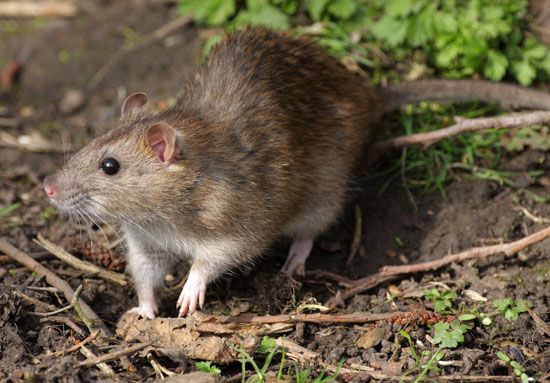
The brown rat (Rattus norvegicus) is a highly adaptable rodent that has been introduced worldwide and is now found on every continent except Antarcticabritannica.com/science/continent) except Antarctica.1
While the species is native to Asia—specifically northern China or Mongolia—it spread gradually through southeastern Asia, Japan, and Russia before reaching Europe by the mid-1500s. Following European colonization, the brown rat expanded its range globally, arriving in North America around 1750. Today, established populations are found in the United States, South America, Africa, and New Zealand, among other regions.12
The brown rat lives in close association with human populations, dominating in temperate regions and thriving in both urban and rural environments. Because of this proximity to human activity, it is considered an invasive species in most areas outside its native range](https://www.britannica.com/science/invasive-species) in most areas outside its native range.2
What do brown rats usually eat?
The brown rat (Rattus norvegicus) is a highly adaptable, omnivorous rodent that consumes a wide variety of food sources. While they are capable of eating almost anything digestible, they exhibit a distinct preference for a carnivorous diet.23
In the wild, brown rats are active hunters that aggressively pursue a diverse range of prey, including:
- Aquatic life: fish, eels, shrimp, mussels, and snails.23
- Small animals and birds: insects, amphibians, rabbits, poultry, pheasant, pigeons, and bird eggs or young.23
- Carrion: They will also readily feed on dead animal matter.23
Beyond their carnivorous preferences, brown rats consume seeds and various plant materials. When living in close proximity to humans, they frequently exploit human food waste, stored grains, and animal feed, often causing significant contamination and property damage in the process.23
How do brown rats affect human environments?
Brown rats (Rattus norvegicus) significantly impact human environments, where they are widely regarded as pests and are frequently associated with filth and disease. Their presence in both urban and rural settings leads to several negative consequences:2
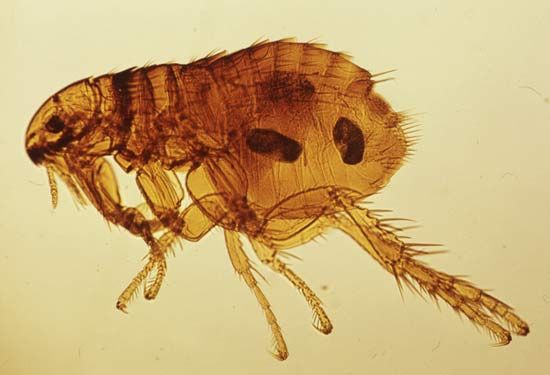
- Disease Transmission: Brown rats are implicated in the spread of dozens of human diseases. They can transmit pathogens through bites, contact with urine, or via the fleas they carry. Notable illnesses include bubonic plague, salmonellosis, schistosomiasis, murine typhus, tularemia, and leptospirosis.23
- Property Damage: These rodents possess a tendency to chew through structural materials, including pipes, which can cause significant damage to buildings and infrastructure.2
- Agricultural and Food Impact: Brown rats exploit and contaminate human food supplies. In agricultural areas, they consume large quantities of grain and animal feed and are known to kill poultry.23
- Ecological Disruption: Beyond human structures, they have been responsible for the depletion or extinction of native species of small mammals, birds, and reptiles, particularly on oceanic islands.23
Sources
- brown rat — Merriam-Webster
- brown rat — Encyclopædia Britannica
- rat — Encyclopædia Britannica
- rodent - Natural history — Encyclopædia Britannica
Published on · 3 min read