Extinction
A mass extinction event is a rare occurrence in which a significant portion of Earth's species—typically 75 percent or more—vanishes within a geologically…
Can you explain the concept of mass extinction and provide examples from Earth’s history?
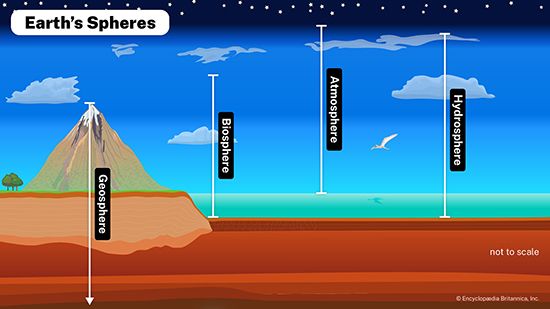
A mass extinction event is a rare occurrence in which a significant portion of Earth’s species—typically 75 percent or more—vanishes within a geologically short period of time. These events cause drastic changes to the biosphere, often triggered by catastrophic phenomena such as asteroid impacts, widespread volcanism, or rapid climatic changes.12
Earth has experienced five major mass extinctions in its history:2
- Permian extinction: The most severe event, occurring about 252 million years ago, which eliminated approximately 90 percent of all species.12
- Ordovician-Silurian extinction: Occurred about 443.8 million years ago, resulting in the loss of 85 percent of marine species.2
- Cretaceous-Tertiary (K-T) extinction: About 66 million years ago, this event wiped out 80 percent of animal species, including the dinosaurs.32
- End-Triassic extinction: Occurred about 201.3 million years ago, causing 76 percent of species to die out.12
- Devonian extinctions: A series of events between 407.6 and 358.9 million years ago that eliminated 70–80 percent of all animal species.2
Many scientists now warn that human activity is driving a sixth mass extinction through habitat destruction, pollution, and climate change.12
What is the difference between local extinction and global extinction?
The distinction between local and global extinction lies in the geographic scale of the loss.
Global extinction refers to the permanent disappearance of a species from the entire planet. When a species goes extinct globally, it no longer exists anywhere in the world, representing a total loss of that unique biological lineage.5
Local extinction, often referred to by scientists as extirpation, occurs when a species disappears from a specific geographic area or habitat but continues to survive elsewhere. For example, if a forest is cleared, the local populations of species living there may be destroyed; however, if those same species exist in other regions, the species as a whole has not gone globally extinct.5
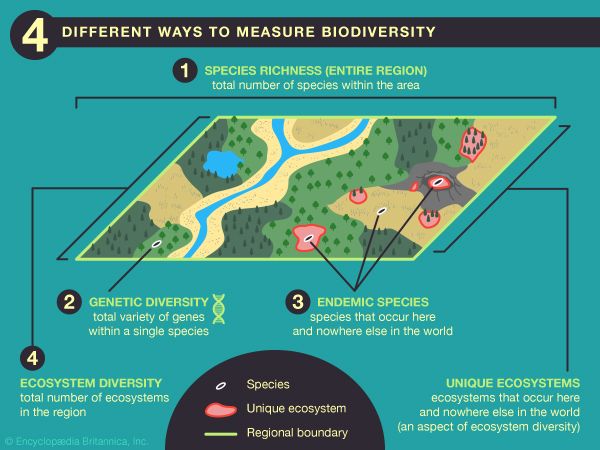
While local extinctions do not immediately result in the total loss of a species, they are significant because they reduce biodiversity and eliminate ecosystem services provided by those populations in that specific area. Furthermore, because different populations across a species’ range often possess unique genetic variations, the cumulative loss of local populations can eventually threaten the survival of the species on a global scale.6
What is the definition of extinction in biology?
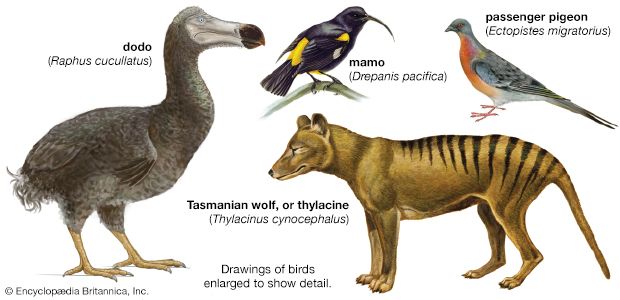
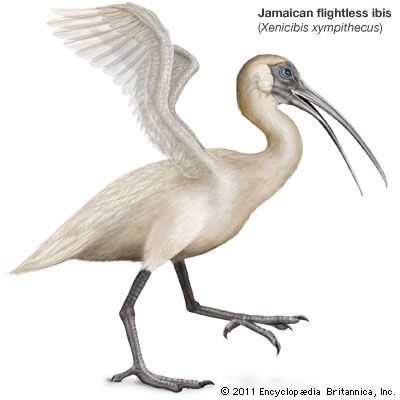
In biology, extinction is defined as the dying out or extermination of a species. A species is considered extinct when the last individual has died or when systematic, time-appropriate surveys are unable to document the presence of even a single individual.1112
This process occurs when a species’ population diminishes due to various factors, including:
- Environmental forces: Such as habitat fragmentation, climate change, natural disasters, and pollution.14
- Human activity: Including overexploitation, the introduction of invasive species, and the spread of disease.7
- Evolutionary changes: Such as genetic inbreeding, poor reproductive success, or a general decline in population numbers.11
The International Union for Conservation of Nature (IUCN) provides a standardized framework to assess extinction risk, categorizing species based on population trends, geographic range, and the probability of survival in the wild.127
What are some of the main causes of species extinction?
Researchers have identified five primary drivers of biodiversity loss that contribute to species extinction, most of which are intensified by human activity.1617
- Habitat loss and degradation: This is the leading cause of extinction. It involves the destruction, fragmentation, or thinning of natural environments—such as forests, wetlands, and grasslands—for agriculture, urban development, and resource extraction, leaving species without food or living space.616
- Invasive species: Non-native species can disrupt ecosystems by outcompeting native organisms for resources or acting as aggressive predators, often leading to the localized extinction of native populations.1618
- Overexploitation: The unsustainable harvesting of animals and plants—through activities like overfishing, hunting, and poaching—depletes populations faster than they can reproduce, often driving them toward extinction.1619
- Pollution: The introduction of harmful substances or energy into the environment can cause direct mortality or reproductive failure in exposed organisms.166
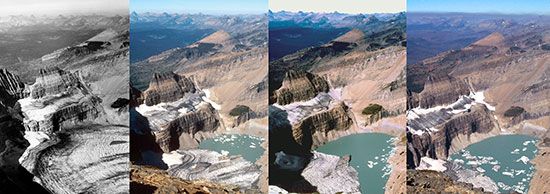
- Climate change: Driven by the burning of fossil fuels, global warming alters temperature and precipitation patterns. Many species cannot adapt quickly enough to these shifts, and climate change is expected to become an increasingly dominant driver of extinction in the 21st century.1620
These factors often interact, creating cumulative pressures that accelerate the decline of species.16
Sources
- mass extinction — Merriam-Webster
- Cretaceous Period - Mass extinction — Encyclopædia Britannica
- Permian Period - Temperature crises — Encyclopædia Britannica
- mass extinction event — Encyclopædia Britannica
- conservation - The loss of populations — Encyclopædia Britannica
- conservation - Terrestrial hot spots — Encyclopædia Britannica
- extirpate — Merriam-Webster
- conservation - Habitat loss — Encyclopædia Britannica
- conservation - Endemic species — Encyclopædia Britannica
- endemic species — Encyclopædia Britannica
- endangered species - IUCN Red List of Threatened Species — Encyclopædia Britannica
- extinction — Merriam-Webster
- critically endangered species — Encyclopædia Britannica
- extinction: Top Questions — Encyclopædia Britannica
- conservation - Which species are most vulnerable to extinction? — Encyclopædia Britannica
- biodiversity loss - Human-driven biodiversity loss — Encyclopædia Britannica
- invasive species — Encyclopædia Britannica
- overharvesting — Encyclopædia Britannica
- endangered species - Human beings and endangered species — Encyclopædia Britannica
- extinction — Encyclopædia Britannica
- habitat loss — Encyclopædia Britannica
Published on · 4 min read